Last updated November 21, 2026
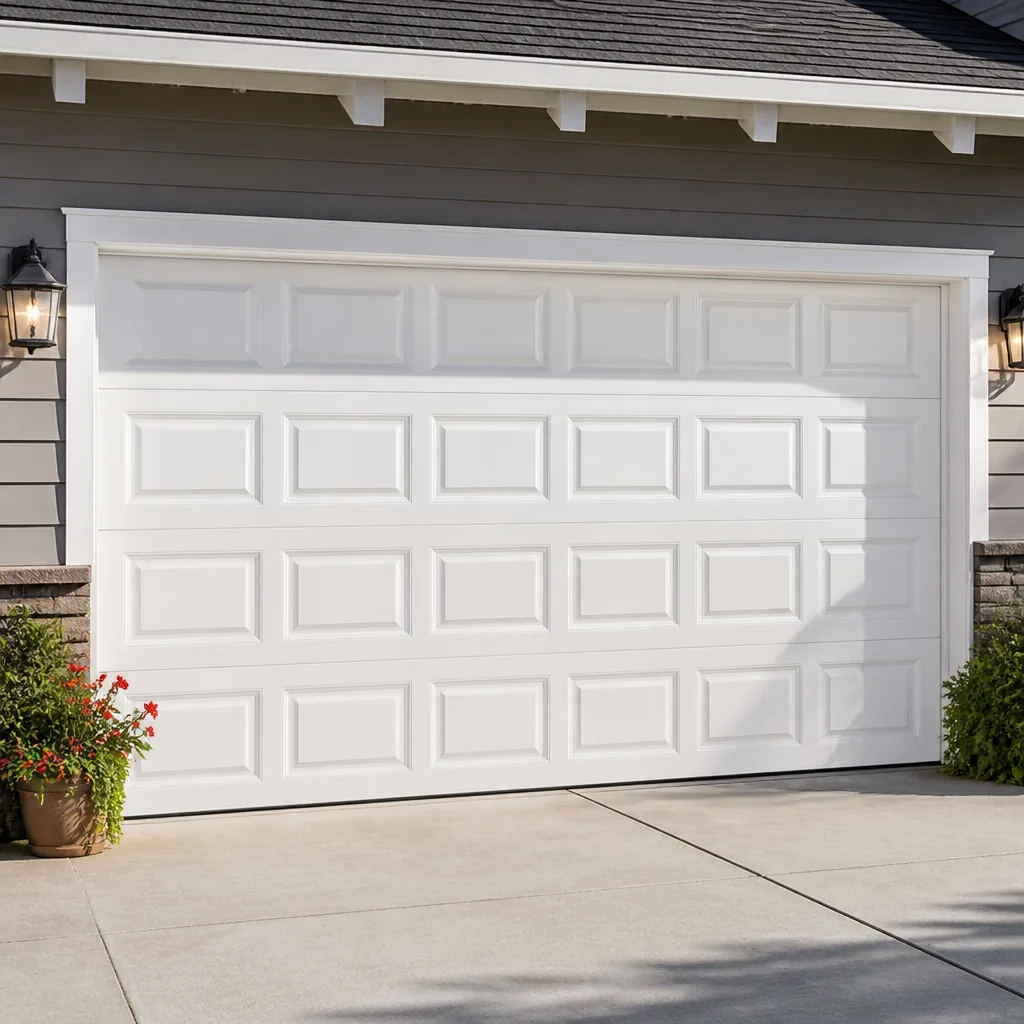 Raised-panel steel
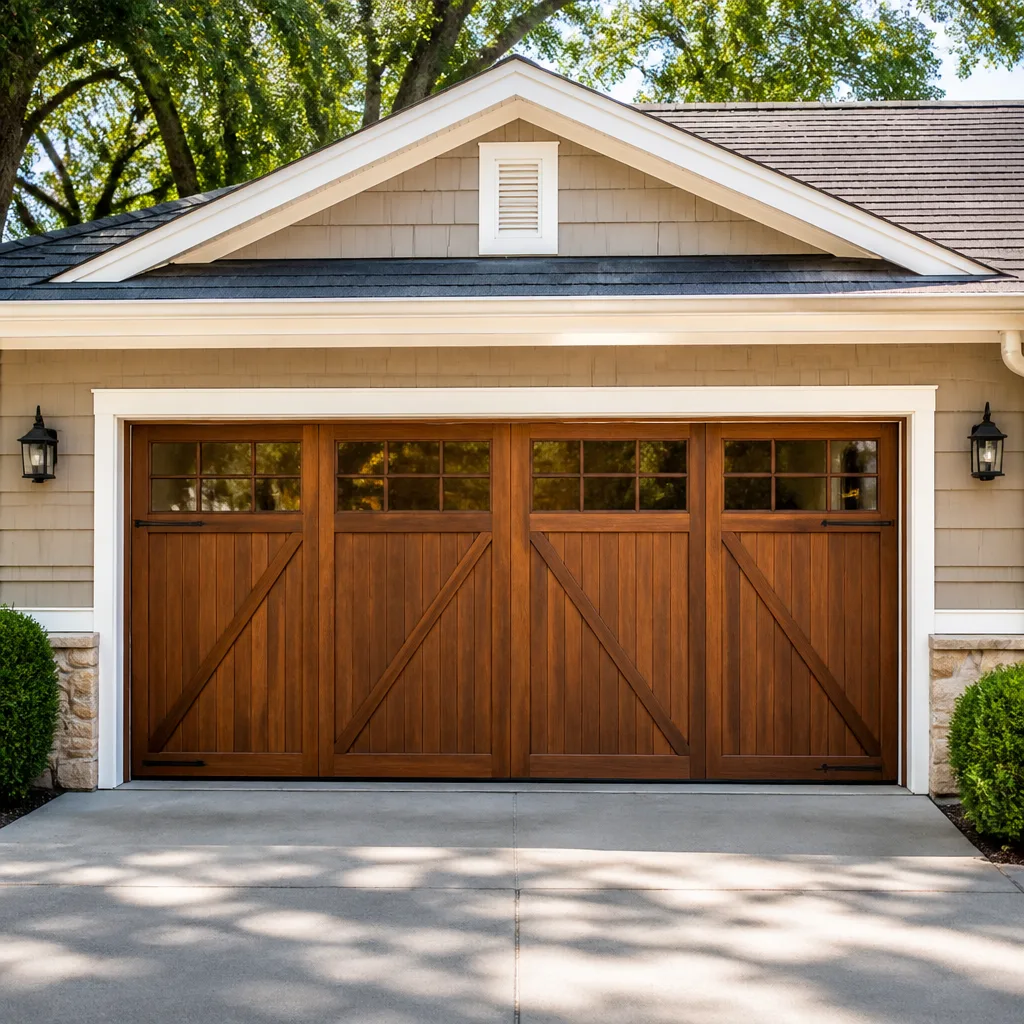 Carriage house
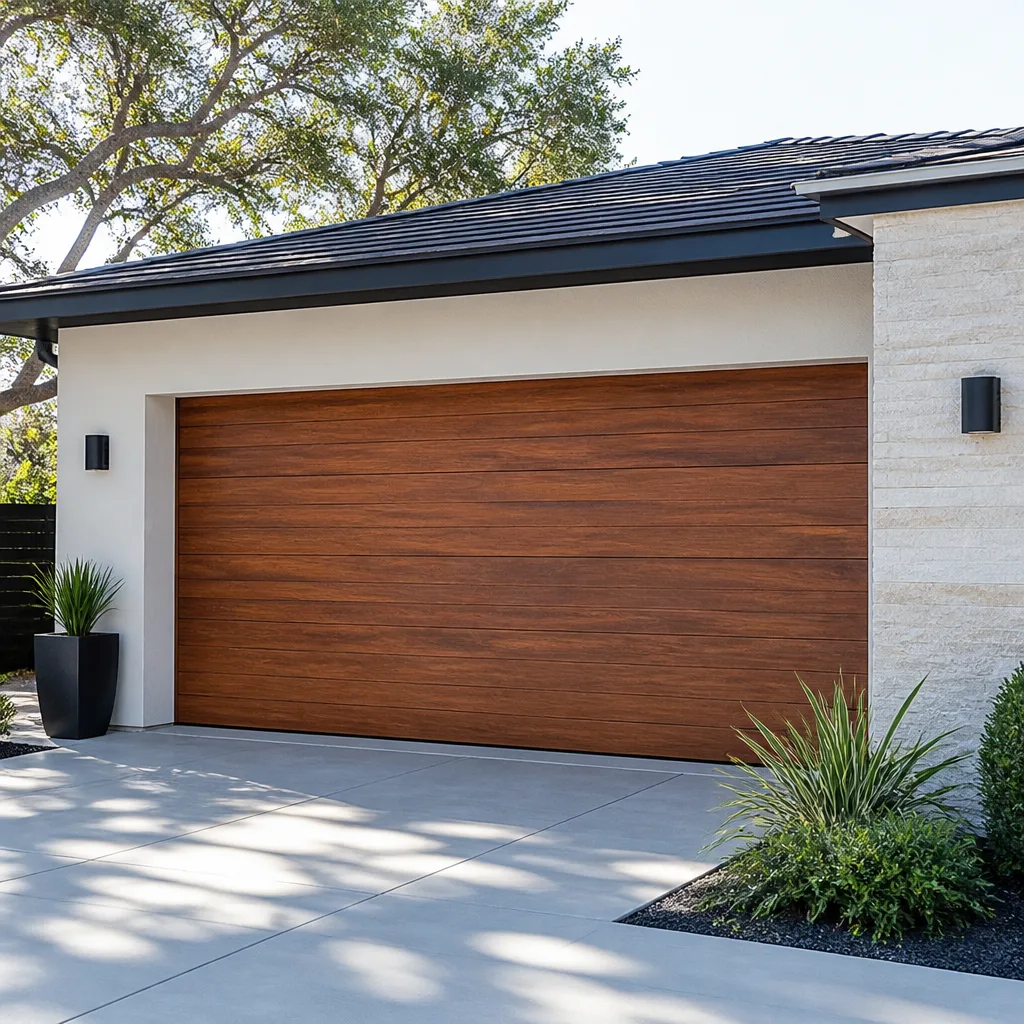 Modern flush
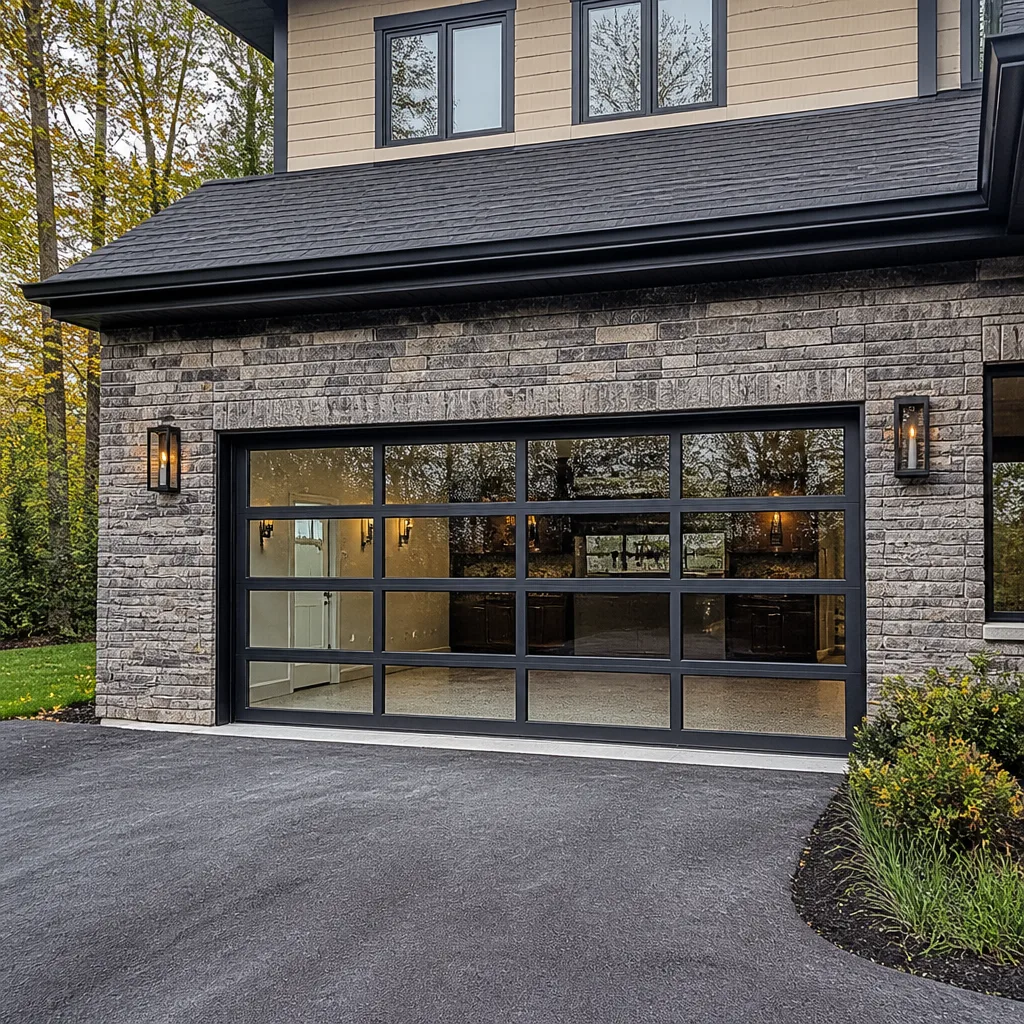 Full-view glass
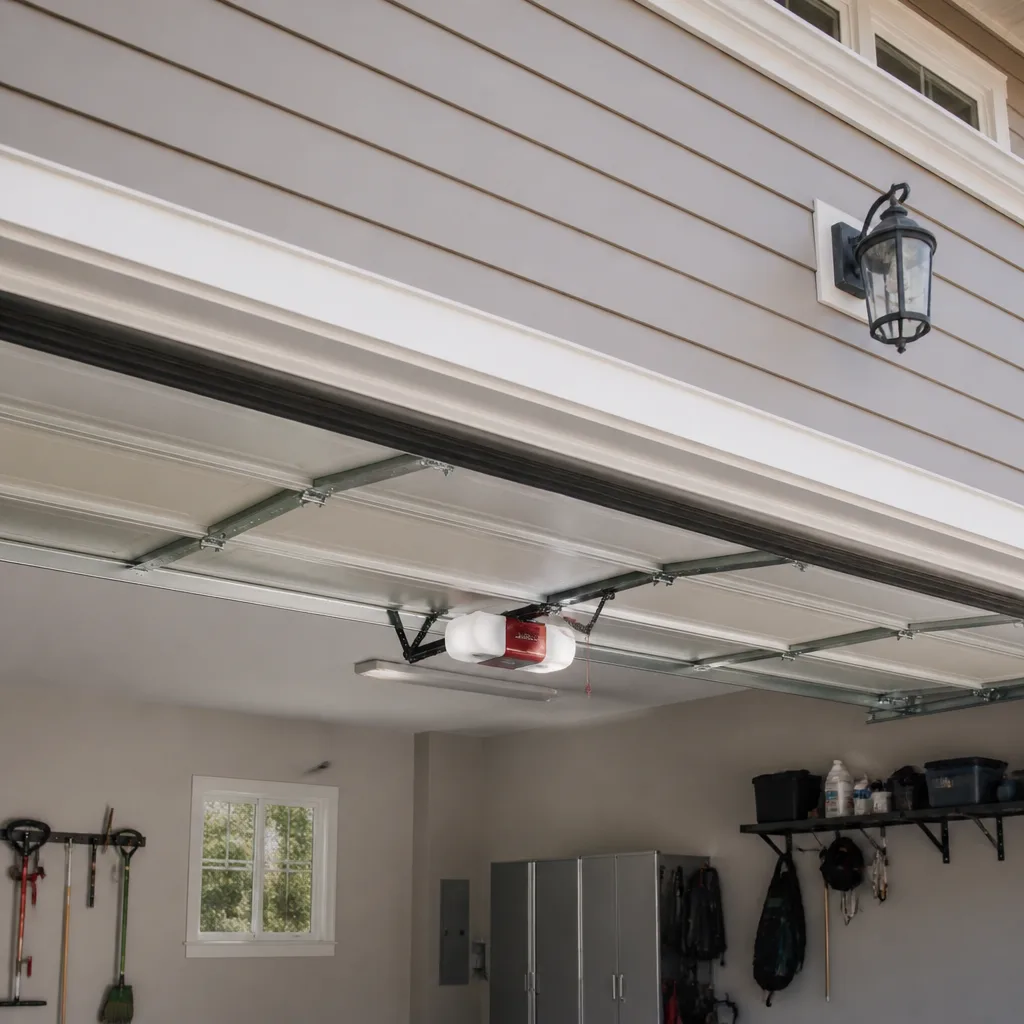 LiftMaster openers
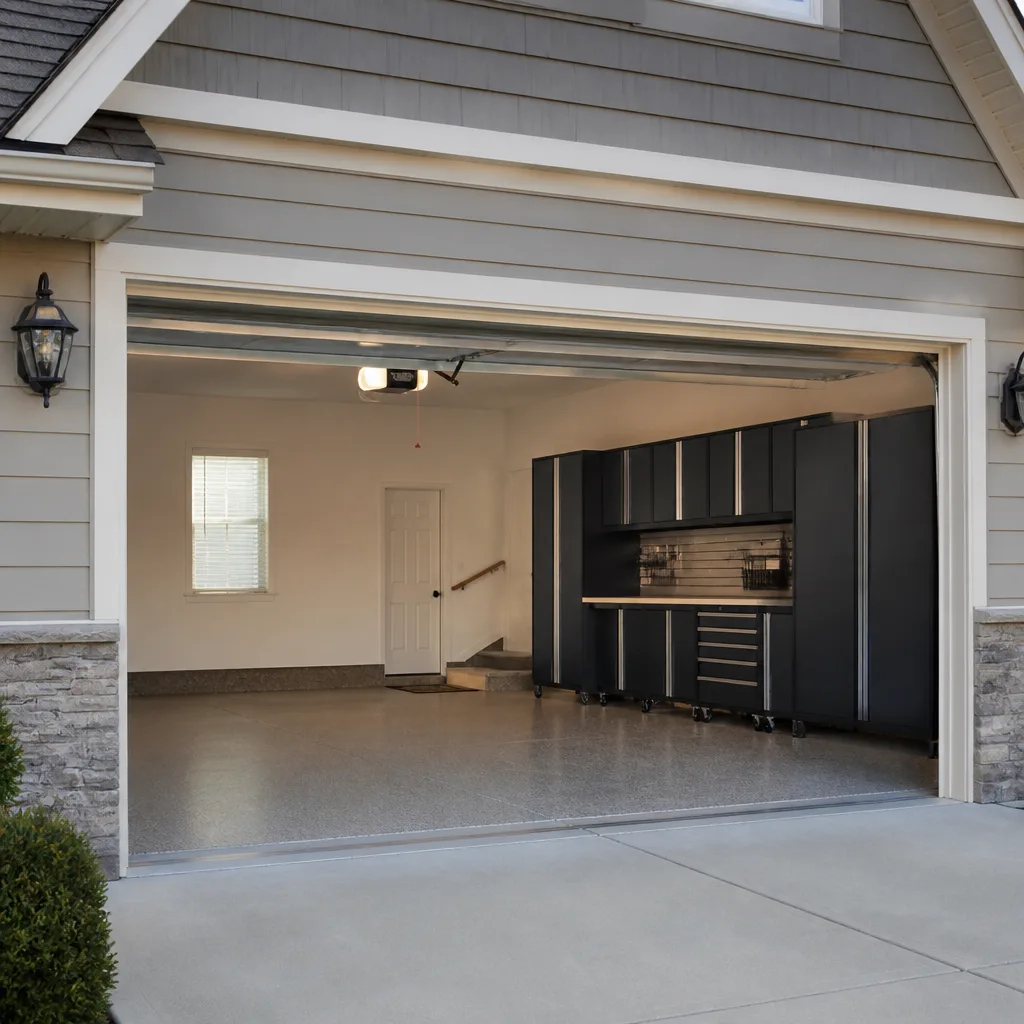 Chamberlain openers
Full 25-point door and opener safety check with every visit - springs, cables, rollers, tracks, and your LiftMaster or Chamberlain opener included
You get a price before we start. It does not change when the pro arrives.
Get your free estimateGarage Door Permits, Codes & Inspections in Great Neck, VA: What You Need to Know
Most homeowners assume replacing a garage door involves no paperwork at all, and for a straight like-for-like swap in a Great Neck neighborhood like Millbrook or Great Neck Meadows, they’re usually right. The surprise comes later: swap in a new Wi-Fi opener with a battery backup, widen the rough opening, or move the electrical, and Virginia’s building code suddenly has something to say about the work. A permit is a piece of paper until a buyer’s inspector asks for it at closing, which is when unpermitted garage door work turns into a delayed sale. This guide walks through exactly where that line falls in Great Neck, how the local permit path works, and what to confirm before a contract is signed.
Quick Answer
In most Virginia jurisdictions, including the Great Neck area, a like-for-like garage door replacement on the same rough opening generally does not require a building permit. A permit typically is triggered when the rough opening changes, a new electrical circuit is added for an opener, or the structural header above the door is modified. Which office processes the permit in Great Neck depends on the specific address, since the Great Neck peninsula spans York County and Newport News.
Styles & brands we work with
- Raised-panel steel
- Carriage house
- Modern flush
- Full-view glass
- LiftMaster openers
- Chamberlain openers
Table of Contents
- Where the Permit Line Falls for a Garage Door in Great Neck
- What the Virginia Uniform Statewide Building Code Actually Covers
- The Specific Triggers That Require a Permit
- Which Office Handles Your Permit: York County or Newport News
- What Inspections Look For and How They Go
- What Unpermitted Work Does to a Homeowner’s Insurance Claim
- The Contractor’s Role: Why a Specialist Pulls the Permit
- What Buyers and Lenders Look For at Resale
Where the Permit Line Falls for a Garage Door in Great Neck
The dividing line between “no permit needed” and “permit required” is not the type of door. It’s the scope of the work. Replacing one Clopay door with another Clopay door of the same size, on the same frame, with the same track and opener setup, is generally treated as ordinary repair or replacement and does not require a building permit in most Virginia jurisdictions. A door swap like that involves no structural change and no new electrical work, so there’s nothing for an inspector to verify after the fact.
The calculus changes the moment the work touches something regulated. In Great Neck, most of the homes with attached garages sit on lots with fairly tight setbacks, and widening a door to a double-car width often means altering the header or the framing. That’s structural work, and it falls squarely under the Virginia Uniform Statewide Building Code. Adding a new electrical circuit for a modern opener is the other common trigger, since electrical work requires a permit in its own right in most Virginia localities.
The shortcut to remember: replacement stays in safe territory, modification does not. If the door size, the opening, the track, and the electrical feed all stay where they were, the job is usually paperwork-free. If any one of those moves, ask the question before the work begins.
- Like-for-like swap: same door size, same rough opening, same opener, same electrical feed. Typically no permit in most Virginia jurisdictions.
- Rough opening change: widened, shortened, or reframed. Structural work, usually requires a permit.
- New opener with new circuit: electrical permit likely required in addition to any building permit.
- Header modification: structural alteration above the door, almost always requires a permit and inspection.
If you’re planning a straight replacement and want the job measured, ordered and scheduled with a written price, our garage door installation team can walk the opening and confirm whether the scope stays in the replacement category.
What the Virginia Uniform Statewide Building Code Actually Covers
Virginia administers one statewide building code, and local jurisdictions enforce it through their own permit offices. That structure matters for Great Neck homeowners: the code rules are consistent across the region, but the paperwork path depends on which office your address falls under. The code itself exists to make sure structural loads are carried correctly, electrical work is safe, and the finished assembly meets a baseline for wind load, anchoring, and life safety.
For a garage door, the code touches three main areas. First, structural: the header above the door carries a substantial load, and any change to that span or the framing around it is regulated. Second, electrical: a new circuit or a moved outlet behind the opener is electrical work and gets its own permit in most Virginia jurisdictions. Third, life safety around automatic doors: modern openers carry safety reverse features, and a proper installation ensures they function. None of that is triggered by a simple door-for-door swap.
What the code does not do is regulate the brand of door, the color, the window style, or the opener model you choose. Those are purchasing decisions. Code compliance comes down to the framing and the electrical, which is why a reputable specialist asks a few scope questions before any work starts.
What the Code Is Really Checking
- The structural header and framing above the opening can carry the load they were designed for.
- The door is anchored and braced for the wind load applicable at the property.
- Any new electrical circuit for the opener is installed to electrical code, not just wired in.
- The automatic door is set up with functional safety reverse features.
Everything else about the installation, from brand to spring system, is a quality question rather than a permit question. Our Great Neck Garage Door Repair Pros team confirms scope and system type during the estimate so there are no surprises about the permit path.
The Specific Triggers That Require a Permit
Great Neck homeowners and residential property managers ask the same question in every estimate: does this job need a permit? The answer almost always comes down to a short list of specific triggers. If the job avoids all of them, the work is a simple replacement. If the job includes one or more, plan for a permit and an inspection.
- Rough opening dimensions change. Widening, heightening, or reframing the opening is structural work and requires a permit in most Virginia jurisdictions.
- The header above the door is modified. Cutting into or bracing around the header affects structural load and requires a permit and inspection.
- A new electrical circuit is added for the opener. Running a new feed or installing a dedicated circuit is electrical work and requires its own permit in most Virginia localities.
- The garage is being converted or the door is being replaced with a wall and window. That is a structural and use change, not a door replacement.
- A new side-entry or carriage-style door is being installed where the opening never existed. Cutting a new opening is a structural project, not a replacement.
- Local subdivision, HOA, or architectural review rules apply. Not a building code permit, but Great Neck has neighborhood association rules around exterior changes that catch owners off guard.
The opener question trips up more people than any other. A modern LiftMaster, Chamberlain, or Genie unit with Wi-Fi and battery backup often plugs into an existing outlet and needs no new circuit, which means no electrical permit. A unit installed where no outlet exists, or where the existing circuit is being expanded, will usually need one. That distinction comes down to the wiring in the garage, not the model of opener.
For readers replacing a failing opener rather than the door, our garage door opener repair service can assess whether the existing outlet and circuit will handle the new unit before scheduling the install.
Which Office Handles Your Permit: York County or Newport News
Great Neck is not a single municipality. The peninsula that most people call Great Neck spans multiple jurisdictions, and the permit office for a given address is determined by the city or county that collects the property taxes and issues the building permits. Depending on where the home sits, the path goes through York County or Newport News. A handful of addresses in the broader Great Neck area may fall under a different office entirely.
The first step for any homeowner who wants to check is to look at the locality on the property tax bill or the deed, then check that locality’s building department website for permit applications and fee schedules. Both offices publish their own applications and inspection request processes, and both are staffed to answer scope questions directly. If you’re unsure which office you fall under, the building department can confirm it in a single phone call once you give them the address.
What the Typical Timeline Looks Like
Timelines vary by office and by the scope of the application, but the general sequence is consistent. A simple permit application for a door or opener installation usually moves through review fairly quickly because the scope is limited. A structural permit involving header changes or opening modifications takes longer because plan review is more involved and inspections are staged. Weather, workload, and the completeness of the application all affect the timeline, so the practical guidance is to start the paperwork as early as the scope is known.
- Confirm which jurisdiction your property falls under.
- Submit the permit application to that jurisdiction’s building department.
- Complete plan review if the scope requires it.
- Schedule the installation once the permit is issued.
- Request the inspection after the work is complete.
- Keep the signed-off permit for your records and for resale.
The signed-off permit is the important artifact. It documents at resale that the work was done correctly, and it becomes part of the property record. That piece of paper turns into a straightforward answer for a buyer’s inspector who asks whether the door was ever modified.
What Inspections Look For and How They Go
A garage door inspection is usually quick and focused on the elements the permit was issued for. The inspector isn’t evaluating the brand of the door or the style of the windows. They’re verifying that the structural work matches the approved plans and that any new electrical work is safe and correct. For a door or opener permit, the inspection tends to be straightforward.
What the Inspector Checks
- The header and framing match the approved scope if structural work was permitted.
- The door is anchored and braced as designed.
- Any new electrical circuit is installed to code and accessible for inspection.
- The opener’s safety reverse function works.
- The permit and approved plans are available on site.
High-tension springs and torsion hardware are the one part of a garage door system that inspections don’t want homeowners touching before the job. The springs are under enough tension to cause serious injury if handled incorrectly, and the inspection process assumes a trained technician did the install. In our experience, the safest plan is to let the installing technician handle the spring work and the door calibration, and let the inspector handle the structural and electrical verification.
Timing matters too. The inspection should be requested once the work is complete and the door is functional, not before. If an inspection fails because a small item is incomplete, the fix is usually minor, but the rescheduling adds time. A specialist who pulls permits as part of the job builds the inspection into the project timeline so it doesn’t catch the homeowner off guard.
What Unpermitted Work Does to a Homeowner’s Insurance Claim
Homeowners insurance covers sudden and accidental damage, and an unpermitted garage door modification doesn’t automatically void a policy. The problem is more specific than that. If a claim involves the modified door or the structural area around it, the insurer can look at whether the work met code and whether a permit should have been pulled. If the modification was unpermitted and contributed to the damage, the claim can be reduced, disputed, or denied. The risk isn’t the policy itself, it’s the specific claim that touches the unpermitted work.
The same logic applies at claim time to a water intrusion issue around a widened opening, a structural shift around a modified header, or an electrical fire involving a new opener circuit. In each case, the insurer is likely to ask whether the work was permitted and inspected. An owner with a signed-off permit has a clean answer. An owner without one is in a dispute over whether the modification met code.
The practical takeaway is that an unpermitted modification is an uninsured modification. The saved time and cost of skipping the permit is money the homeowner may be asked to cover out of pocket if a claim is later reduced. For any Great Neck homeowner with a modified door, checking whether the permit was ever issued is worth the call to the building department.
The Contractor’s Role: Why a Specialist Pulls the Permit
A reputable garage door specialist treats the permit as part of the job, not as an option the customer can skip for convenience. In most Virginia jurisdictions, the permit is pulled by the contractor of record, not by the homeowner, because the contractor is the party responsible for the work meeting code. If a company discourages the permit on a job that clearly needs one, that’s a signal about how they treat the rest of the process, not a discount.
When the work is a straight replacement, no permit is required and there’s nothing for us to pull. When the scope includes a modification, a new electrical circuit, or a structural change, we discuss the permit path during the estimate, name the office the permit needs to go through, and build the timeline into the project. The description is specific to the work, because the paperwork differs depending on the scope. What the paperwork never changes is the price quoted and agreed before work starts: the written estimate sets the final price, and the permit, if applicable, is part of that scope.
Why a Single-Trade Specialist Handles the Paperwork Better
- We scope the job correctly the first time, because garage doors are the only thing we do.
- We work on the door you already have, so the scope question (swap vs. modification) is answered precisely.
- We work with your insurer if a claim ever touches the door or opener, and we understand what an inspector will look for.
- We can pull the permit as part of the job and schedule the inspection within the project timeline.
For readers looking to replace an aging door and unsure of the scope, our garage door repair team can walk the opening, confirm whether the job is a swap or a modification, and explain the permit path in plain terms. Every estimate is free.
What Buyers and Lenders Look For at Resale
A properly permitted garage door modification is documented at resale. An unpermitted one is a question mark. Buyers, their inspectors, and the appraiser at closing are all looking for evidence of work done correctly, and garage doors are on the list because a modification there can touch structural, electrical, and safety items at once.
The specific risk isn’t that the deal dies on the spot. It’s that the buyer’s inspection flags the modification, the seller has to produce a permit or an inspection report that doesn’t exist, and the closing timeline stretches while a solution is negotiated. That’s exactly the kind of seller surprise that costs money and leverage at the negotiating table. A signed-off permit turns the same question into a clean answer: the work was permitted, inspected, and approved.
For Great Neck property managers overseeing rentals or multi-unit residential properties, the same logic applies at turnover and at owner review. A permit trail is a documented answer for future owners, insurers, and inspectors. An estimate that walks the opening and names the permit path is the simplest starting point. Reach out for a free estimate before the listing goes live, not after the buyer’s inspector raises the question.
Common Mistakes to Avoid
- Assuming all replacements need a permit. A straight door-for-door swap on the same rough opening generally doesn’t require a permit in most Virginia jurisdictions, and asking for one you don’t need adds cost and time. Confirm the scope with the builder or the jurisdiction before submitting an application.
- Assuming no work ever needs one. Widening the opening, changing the header, or running a new circuit for an opener steps into permit territory quickly. Great Neck homes with tight garages prompt a lot of door widenings, and each of those is a structural permit, not a swap.
- Hiring a contractor who talks you out of the permit. Any contractor who discourages a permit on a job that needs one is offering a shortcut, not a service. The paperwork exists to protect the homeowner, and a specialist pulls it as part of the job.
- Skipping the battery backup conversation. A new opener with battery backup is worth considering before the electrical scope is set, not after, because the circuit requirements change the permit question. Sort out the electrical plan before the installer arrives.
- Forgetting that Great Neck spans two offices. A permit application filed with the wrong jurisdiction bounces back and restarts the timeline, and it’s a mistake that happens when an owner guesses the locality. Check the deed or tax bill first.
- Letting the homeowner’s side forget the signed-off permit. The final documents are the whole point. File the signed-off permit with the home records so it shows up at resale and insurance review without a scramble.
- Handling high-tension springs as a DIY project. Spring work is dangerous and is not a homeowner job, permit or no permit. Leave the torsion and extension spring work to a trained technician, and don’t touch the hardware before the inspection is signed off.
See the difference
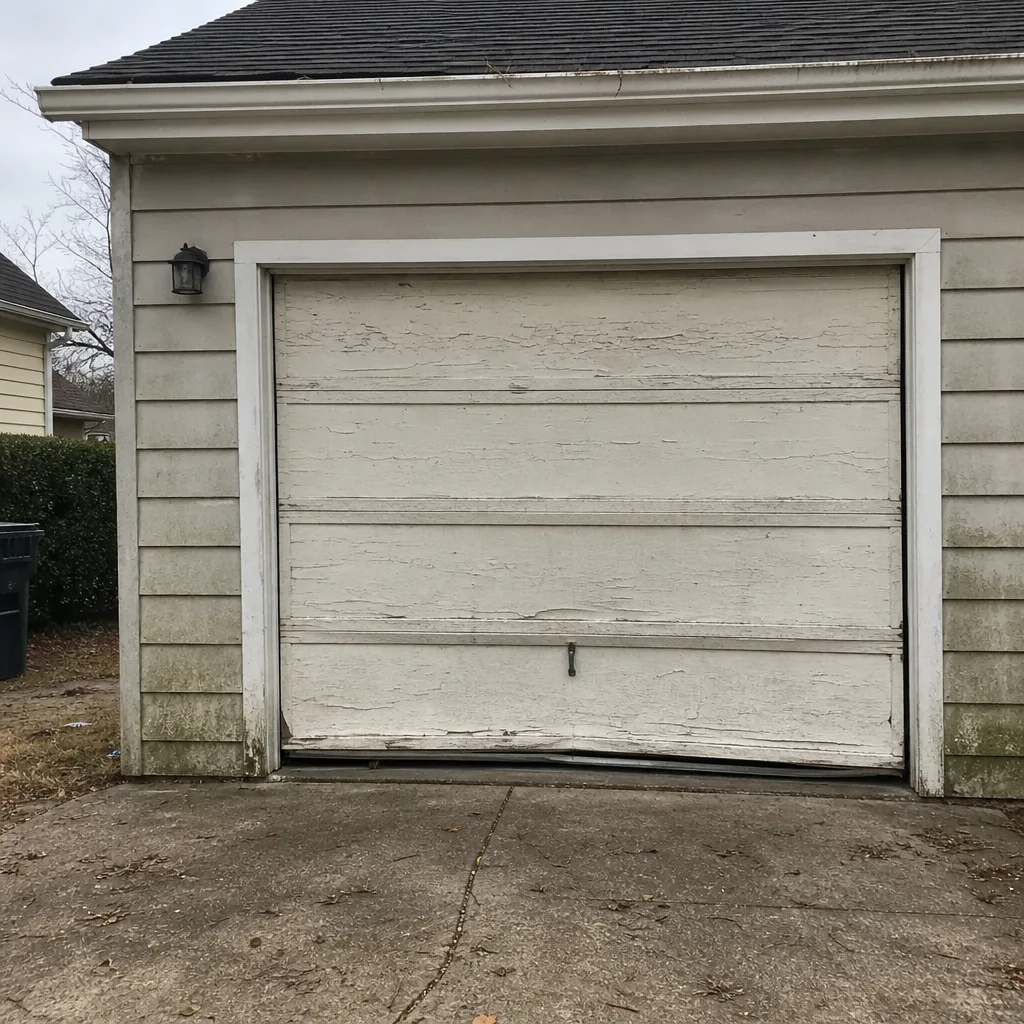 Before
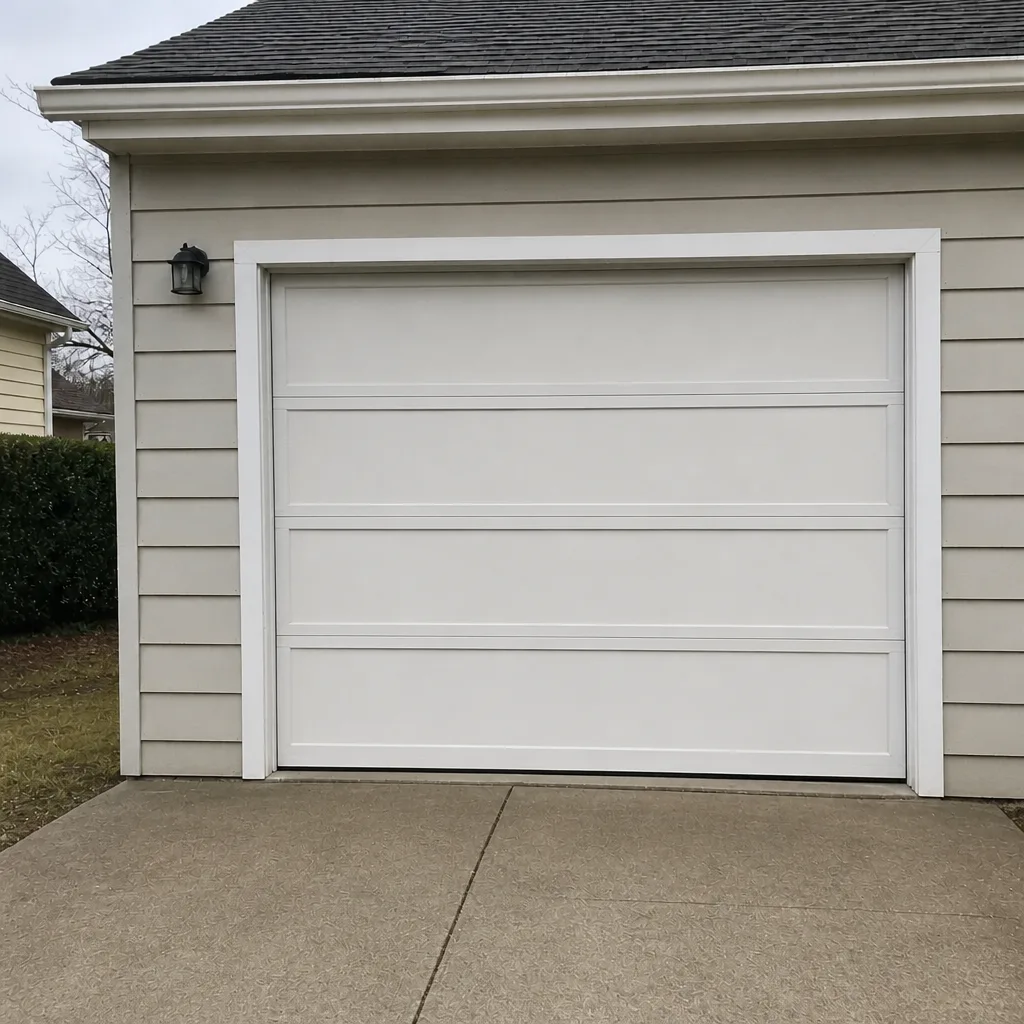 After
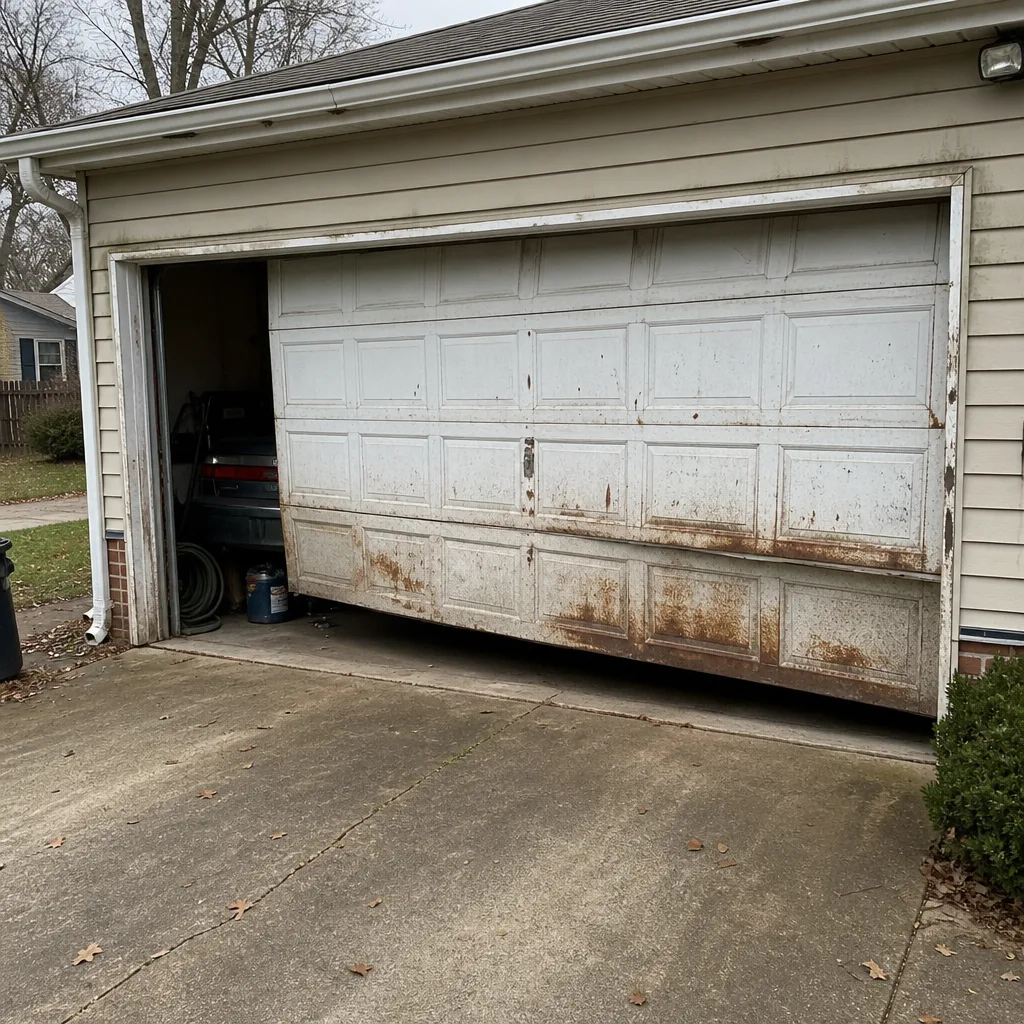 Before
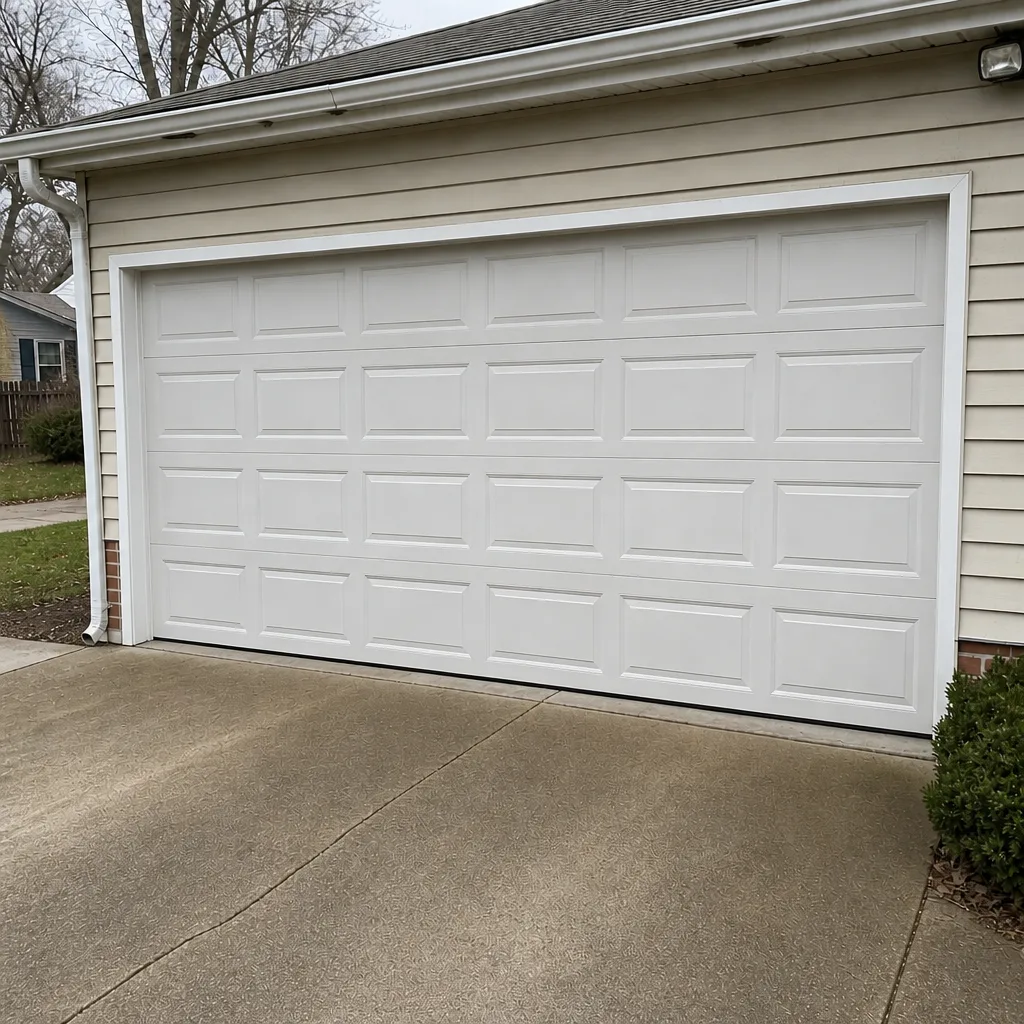 After
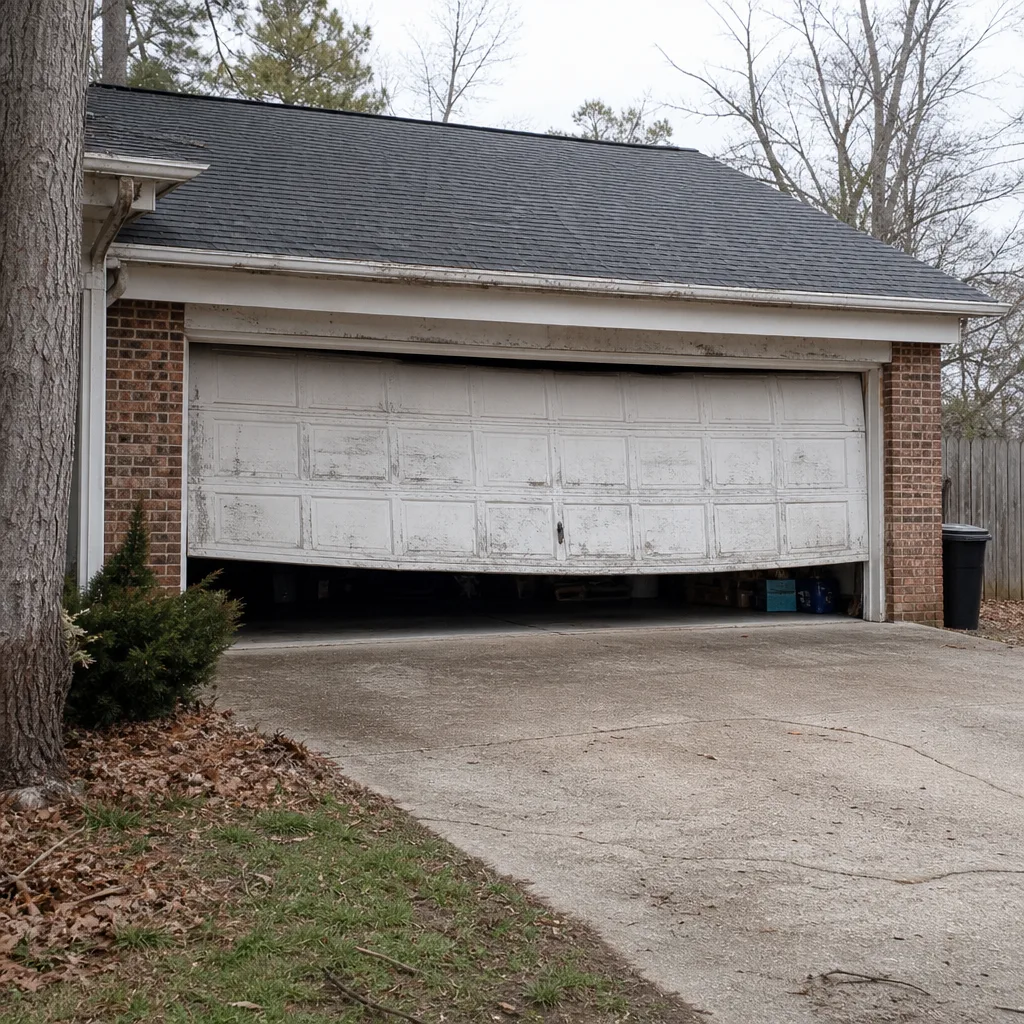 Before
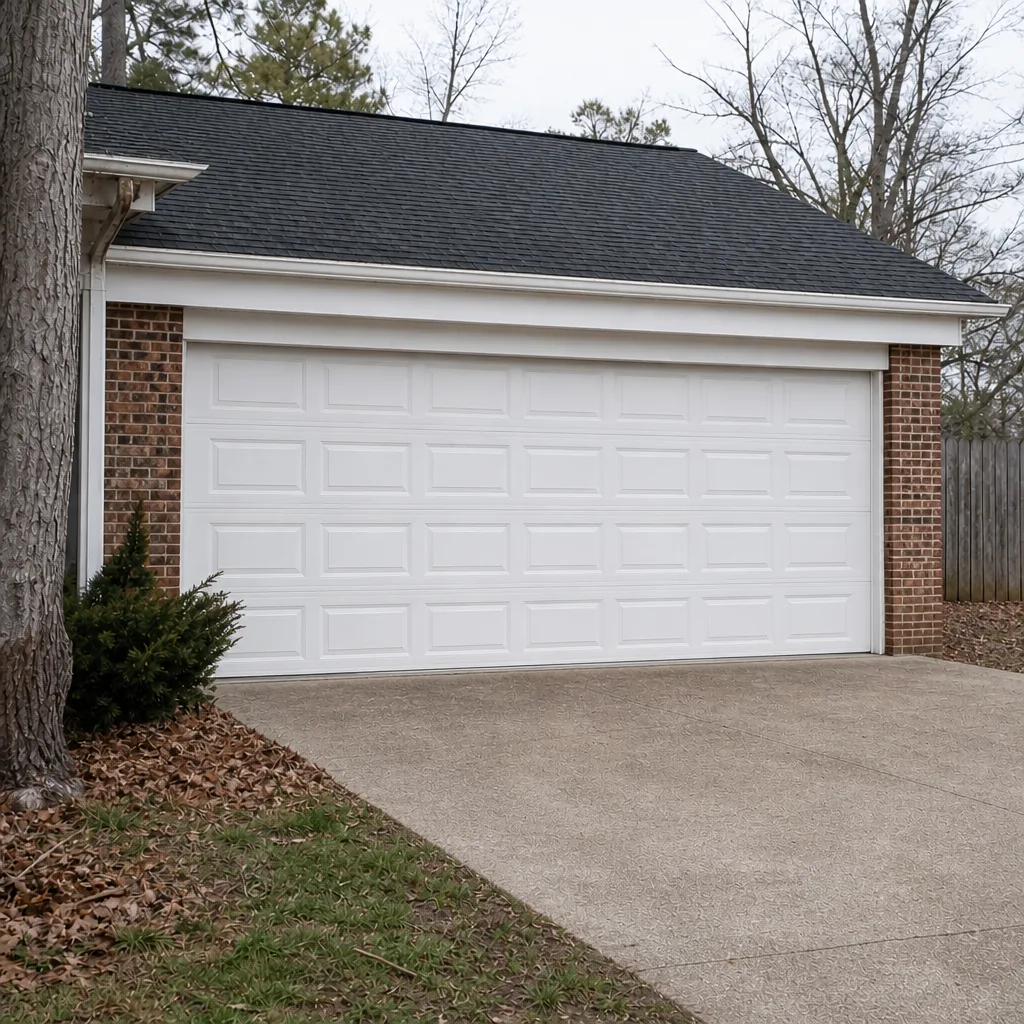 After
When to Call a Professional
If you’re replacing a door like-for-like and want it measured, ordered and scheduled with a written price, call us and we’ll walk the opening and confirm the scope. If you’re considering a modification, a widened opening, or a new opener with electrical work, call before the project starts so the permit question is answered before the contract is signed. If your current door is failing, spring hardware is broken, or the opener has stopped responding, we’re set up for urgent calls and same-day repair on most jobs, and the price is quoted and agreed before any work starts. The spring system is dangerous work and is one of the most important reasons to call a trained technician rather than attempt a repair. Great Neck Garage Door Repair Pros offers free estimates in Great Neck – call (877) 792-6350.
Frequently Asked Questions
Usually not, if it’s a like-for-like replacement on the same rough opening with the same opener setup. A permit is typically triggered when the rough opening changes, the structural header above the door is modified, or a new electrical circuit is added for the opener. If you’re unsure which category your job falls into, call (877) 792-6350 and we’ll walk the opening with you and explain the permit path. Estimates are free.
It depends on the specific address, because Great Neck spans more than one jurisdiction. Look at your property tax bill or deed to see which locality the home falls under, then contact that locality’s building department. The building department can confirm your jurisdiction and walk through the application process in one call. If the scope turns out to be a straight replacement, no permit is needed and there’s nothing to file.
Not always, and it depends on whether new electrical work is involved. An opener that plugs into an existing outlet typically doesn’t require a new circuit, so no permit. If the garage has no outlet where the new unit needs one, or the existing circuit is being expanded, that’s electrical work and requires a permit in most Virginia jurisdictions. Call (877) 792-6350 before the install so the electrical scope and the permit question are sorted out together.
The claim isn’t automatically denied, but the insurer can dispute or reduce it if the unpermitted modification contributed to the damage. The safest path is to have the work permitted and inspected, so the claim has a clean answer. An owner with a signed-off permit is in a much better position than an owner without one. If a claim ever touches the door or opener, call us and we can work with your insurer on the diagnosis and repair.
Timelines vary by jurisdiction and by scope. A simple permit for a door or opener installation usually moves through review fairly quickly because the scope is limited, while a structural permit involving header changes takes longer due to plan review. Weather and workload also affect timing. The practical rule is to start the paperwork as soon as the scope is known. Call (877) 792-6350 and we’ll give you a scope-specific read on the timeline.
We do, when the scope requires one. On a straight replacement there’s nothing to pull because no permit is needed. On a modification, an electrical job, or a structural change, the permit is part of the job scope in the written estimate, and the timeline includes the inspection. Our technicians have up to 15 years of experience working across Clopay, Amarr, Wayne Dalton, Craftsman, and other leading brands. Call (877) 792-6350 for an exact quote on your scope – estimates are free.
The Bottom Line
A garage door replacement in Great Neck is usually a simple, paperwork-free swap. The permit question only enters the picture when the work touches the structure or the electrical system, and that’s the line most homeowners don’t see coming. Sort out the scope before the contract is signed, confirm which jurisdiction your address falls under (York County or Newport News), and keep the signed-off permit in your home records. A permitted job is documented value at resale and a clean answer for a future claim. If any part of the scope is unclear, a free estimate walks the opening and names the permit path. For repair, opener work, or a full replacement, one call covers what your garage door needs – (877) 792-6350.
Written by the team at Great Neck Garage Door Repair Pros.