Last updated November 21, 2026
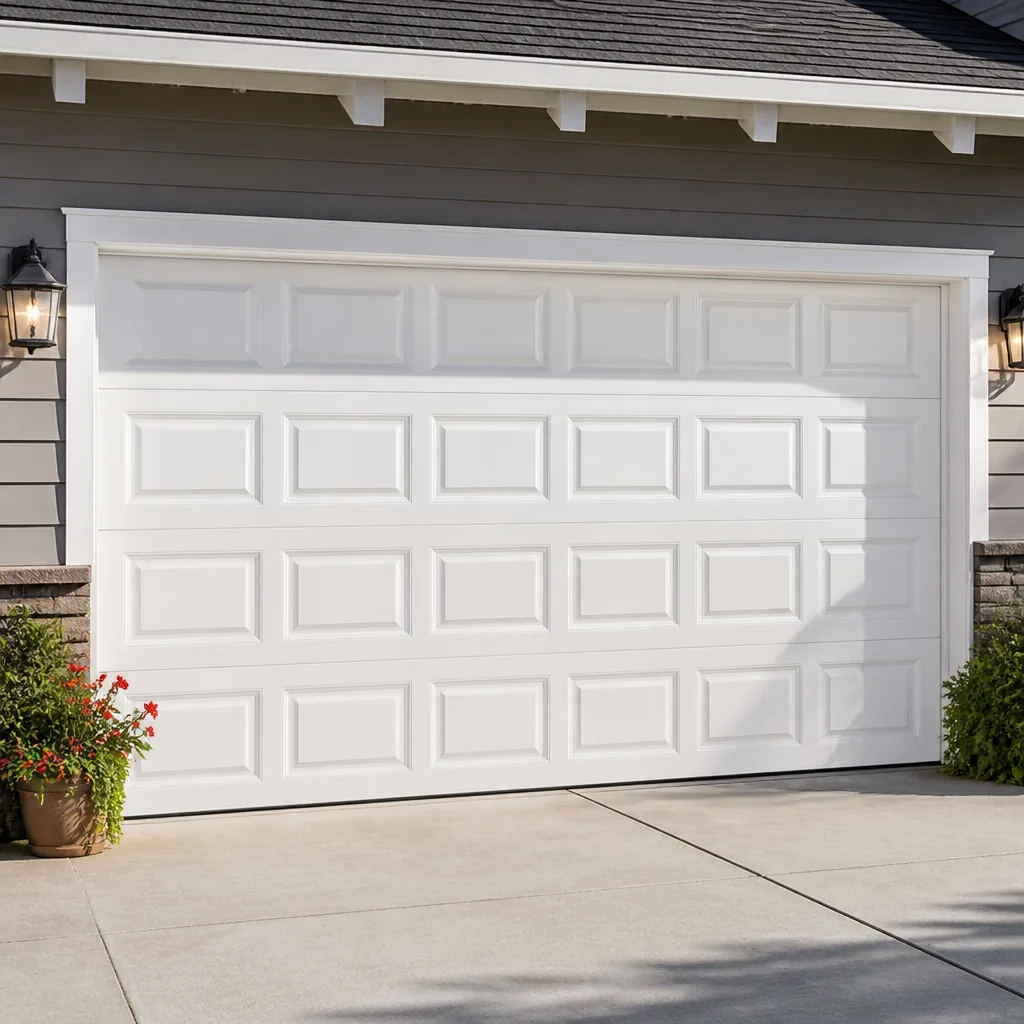 Raised-panel steel
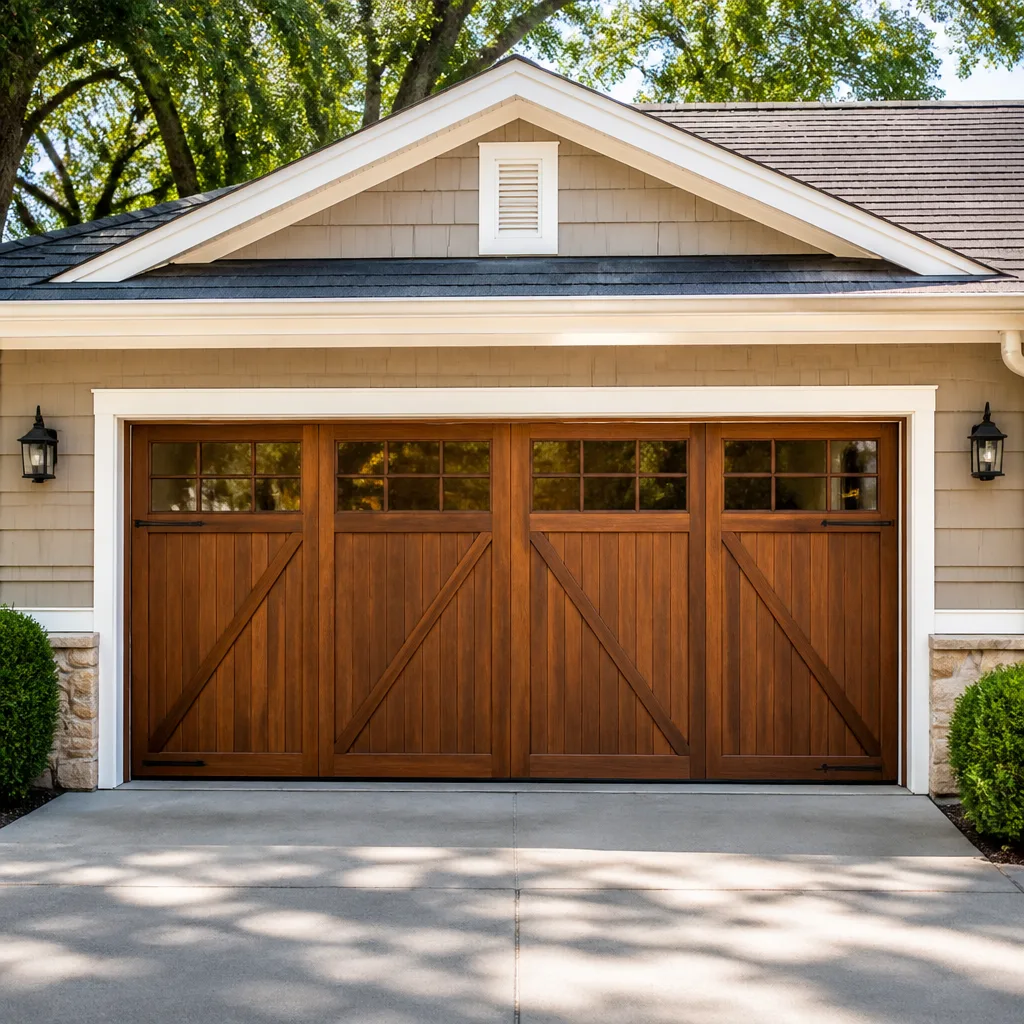 Carriage house
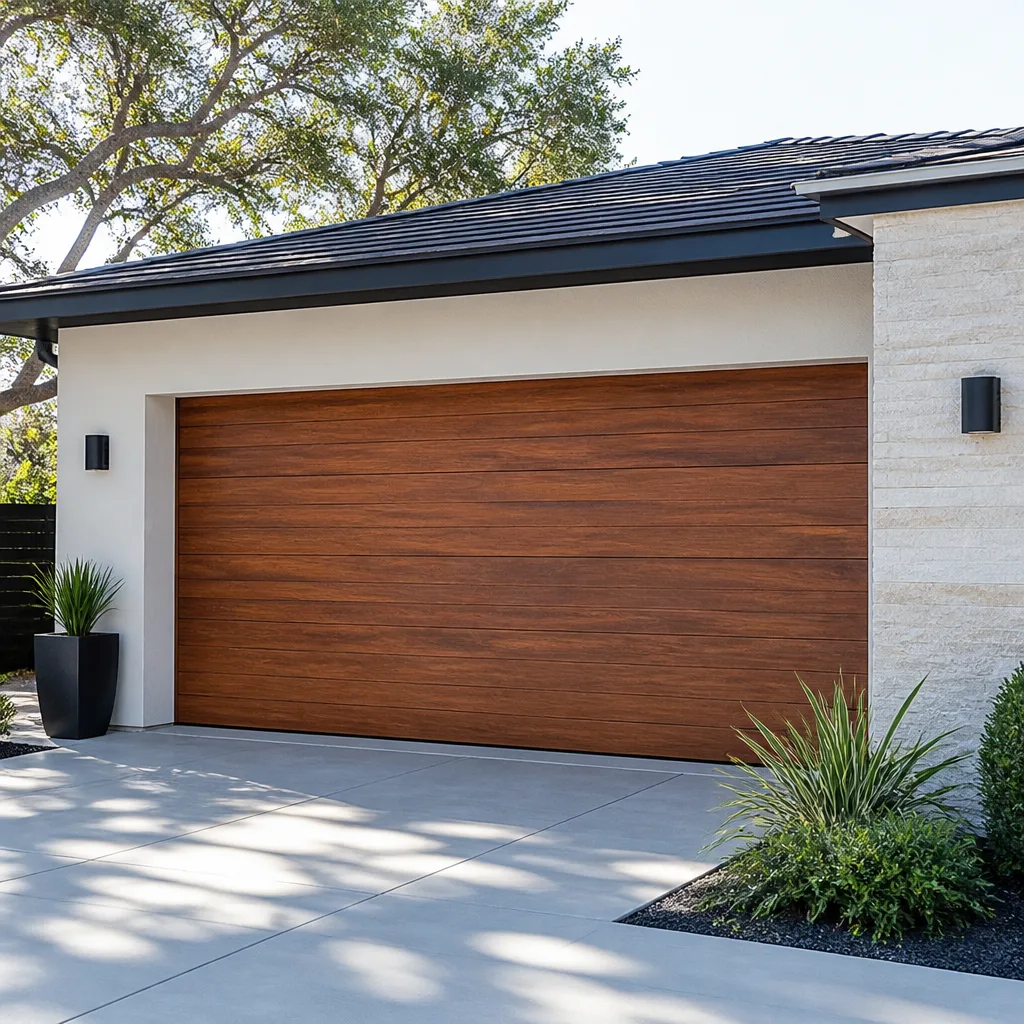 Modern flush
 Full-view glass
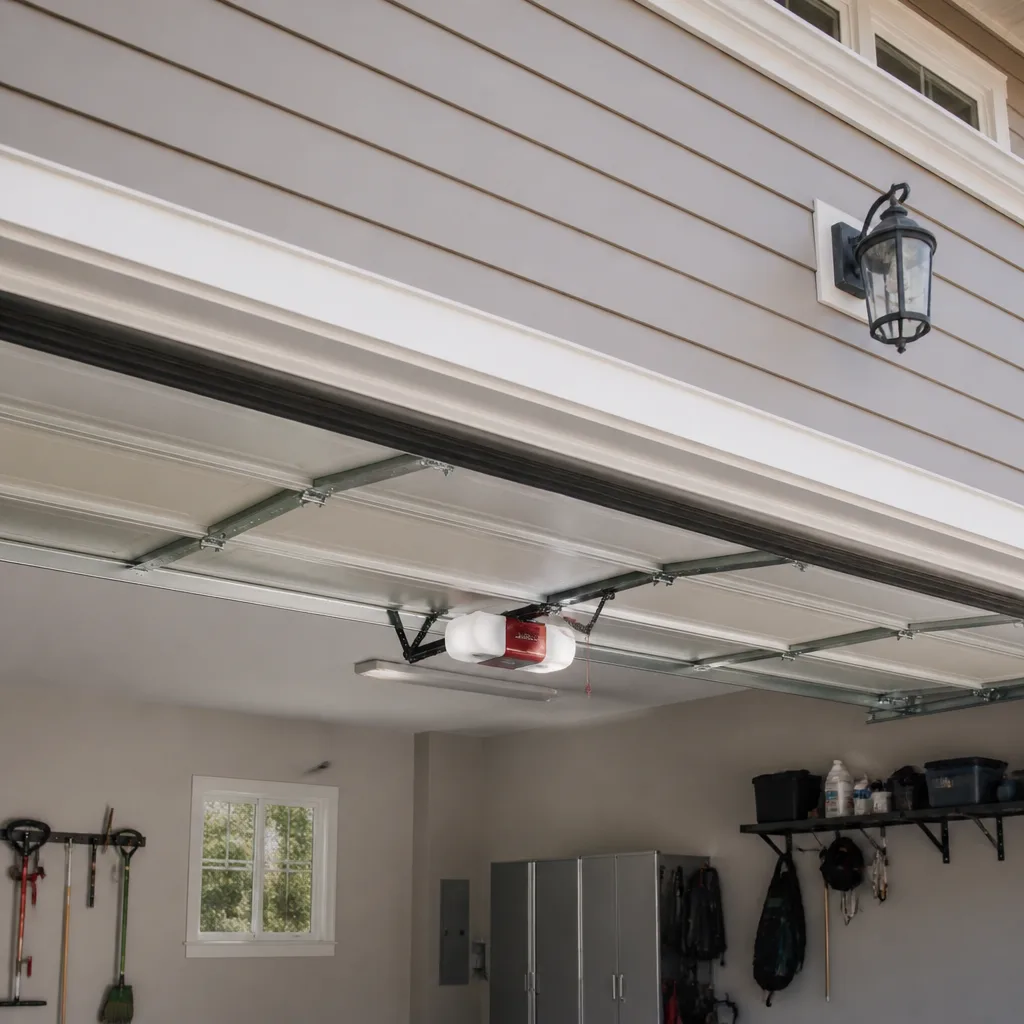 LiftMaster openers
 Chamberlain openers
Full 25-point door and opener safety check with every visit - springs, cables, rollers, tracks, and your LiftMaster or Chamberlain opener included
You get a price before we start. It does not change when the pro arrives.
Get your free estimateGarage Door Warning Signs: A Great Neck Homeowner’s Reference Guide
Two homeowners hear a bad noise from the garage on the same afternoon. One describes “a grinding sound” and the other describes “a scraping sound,” and those sound like the same complaint over the phone. They aren’t. Grinding usually points to a roller or a bearing that’s worn through, while scraping often means a cable is riding wrong or fraying against the drum – the kind of thing that can turn into a snapped cable within days. Treating those two noises as interchangeable is how a small repair quietly becomes a big one. This guide exists to close that gap. We’ll walk through what each sound, movement, and visual cue actually means inside your door’s hardware, tell you which signs demand same-day attention and which can wait for a scheduled visit, and give you two safe tests you can run yourself in Great Neck without touching a spring or a cable.
Quick Answer
The most serious garage door warning signs are a visible gap in a torsion spring, a frayed or kinked cable, and a door that slams down or reverses unpredictably – stop using the door and call a technician the same day. Moderate signs like grinding rollers, slow opener response, or a door drifting off its tracks can usually wait for a scheduled appointment, but they shouldn’t be ignored. Every symptom in this guide maps to a specific part, so you can describe it accurately and get a real diagnosis instead of a guess.
Styles & brands we work with
- Raised-panel steel
- Carriage house
- Modern flush
- Full-view glass
- LiftMaster openers
- Chamberlain openers
Table of Contents
- What Each Sound Tells You About the Hardware
- Reading Springs and Cables: Imminent Failure vs. Normal Wear
- Movement Patterns That Point to Balance, Track, or Roller Problems
- Opener Behavior Flags and What They Usually Mean
- The Three Signs That Need Same-Day Service
- The Signs That Can Wait for a Scheduled Visit
- How to Describe the Problem So a Technician Arrives Prepared
What Each Sound Tells You About the Hardware
Sound is the most reliable early warning a garage door gives you, but only if you know which sound means what. In our experience across Great Neck, the five noises below account for the large majority of calls, and each one traces back to a different part of the system. Matching the sound to the mechanism is the first step toward an accurate diagnosis.
Grinding
Grinding is metal-on-metal contact, and it usually comes from a roller that’s seized or a bearing that’s lost its lubrication. The door is still running, but it’s dragging a locked wheel along the track, and that friction wears the track itself over time. Grinding that starts suddenly and gets louder over a few days is a classic worn-roller signal. It’s rarely urgent, but it does get more expensive the longer it runs, because a damaged track is a bigger repair than a set of rollers.
Scraping
Scraping is the one to take seriously. A scraping sound often means a cable is rubbing where it shouldn’t – against a drum, a bracket, or a frayed spot on itself – and a cable under tension that’s about to fail can snap with enough force to cause injury. If the scraping is accompanied by any visible fraying at the cable ends, treat it as urgent and stop using the door. This is exactly the kind of problem our garage door repair technicians handle as a matter of routine, but it’s not a wait-and-see issue.
Popping
A sharp pop, especially right as the door starts to move, usually points to a torsion spring that’s slipping on its shaft or a cable that has jumped its drum. Occasional single pops can be a loose bolt. Repeated popping, though, is a spring under stress telling you something has shifted, and that’s worth a professional look before the door is used again.
Squealing
Squealing is friction, plain and simple – usually a dry hinge, a roller without lubrication, or the opener’s chain or belt running against a worn sprocket. It’s the most benign sound on the list and often the cheapest to resolve, but a persistent squeal that returns right after lubrication is a sign a part is worn and needs replacement rather than another shot of grease.
Banging
A bang when the door reaches the floor or the ceiling usually means the door is out of balance or the travel limits on the opener are set wrong. The door is hitting a hard stop instead of easing into it. Left alone, banging puts stress on the opener’s gears and the door’s panels. It’s worth a scheduled visit, and it’s an easy one for a technician to test and correct.
Reading Springs and Cables: Imminent Failure vs. Normal Wear
Springs and cables are the parts that actually lift your door, and they’re also the parts that cause the most serious injuries when they fail. A homeowner can’t safely inspect either one up close, so the goal here is to know what to look for from a safe distance and to recognize the difference between a part that’s wearing and a part that’s about to let go.
The torsion spring gap
A torsion spring is the coiled unit mounted on the shaft above the door. Under normal conditions it’s a continuous coil. If you can see a clear gap – a section where the coil has separated – that spring has broken. It will not lift the door, and the door should not be operated, even manually, because one spring is now doing the work of two and the load is unbalanced. This is the single most urgent visual cue on a garage door, and it’s the reason spring repair is something we treat as a safety-critical service rather than a standard fix.
What fraying and kinking look like
The cables run along the sides and wrap around drums at the top corners. From the floor, look at the straight run: a healthy cable is smooth and even. A failing one shows a fuzzy edge where strands have broken, a kink where it’s jumped track, or a spot where it’s visibly twisted. Any of those means the cable has lost strength, and the door should be parked until it’s replaced. Cables are under high tension and are not a component to handle yourself.
Normal wear vs. failure
Normal wear is subtle: a slight thinning of lubrication, minor surface rust on hardware, a spring that’s still intact but the door feels heavier than it used to. Failure is visible: a gap, a fray, a kink, a snapped end. If you’re not sure which you’re looking at, that’s the moment to call rather than to climb a ladder for a closer view. Our technicians have up to 15 years of experience reading exactly these cues, and a quick look tells them whether you’re due for a replacement or just a tune-up.
Movement Patterns That Point to Balance, Track, or Roller Problems
A door that runs smoothly tells you very little. A door that moves unevenly is telling you a lot – just not always the same thing. The way a door travels is a direct readout of its balance and its hardware, and there are two safe tests you can run yourself with nothing more than your eyes and your hands.
Two safe tests
- The visual travel test. With the door closed, stand back and watch it open and close once. Does one side rise before the other? Does it shudder or stutter at a certain height? Does it hang crooked at the top? Any asymmetry points to a balance, track, or roller problem.
- The manual balance test. Disconnect the opener (most have a release pull), lift the door by hand to about waist height, and let go. A properly balanced door stays roughly where you left it. A door that drops on its own is out of balance, and one that’s very hard to lift has weak or failing springs. Never force a door that feels stuck or unusually heavy – stop and call.
What the patterns mean
- One side lags behind: usually a balance problem or one spring doing more work than the other.
- Door shudders or jumps along the track: worn rollers or a track that’s bent or out of alignment.
- Door binds at one height: a track kink or a roller that’s come out of its channel.
- Door hangs visibly crooked: a snapped spring on one side or a cable that’s slipped.
If the track itself is bent, don’t try to bend it back by hand – a misaligned track can drop a door off its rollers entirely, and that’s a heavier, more dangerous repair. A trained technician has the tools to realign it safely. Great Neck’s mix of older and newer homes means we see both worn original hardware and newer doors that were installed a touch out of true, and the fix differs in each case.
Opener Behavior Flags and What They Usually Mean
The opener is the easiest part of the system to observe, which makes its misbehavior a useful clue. Most opener symptoms fall into a few recognizable patterns, and knowing which one you have helps a technician arrive with a diagnosis in mind rather than a guess. Our garage door opener repair work covers both legacy remote setups and modern Wi-Fi-enabled units, so the age of your opener is rarely a barrier to fixing it.
Slow response
If the door takes a few seconds to start after you press the button, the opener is usually the culprit. Common causes include a remote battery that’s low, a safety sensor that’s dirty or misaligned, or opener logic that’s aged. A slow response is worth a scheduled look, but it isn’t an emergency.
Reversing unexpectedly
A door that goes down and then reverses before it hits the floor is a safety feature doing its job. That means the opener either senses an obstruction or the safety sensors at the base of the track are blocked, misaligned, or dirty. If the sensors are clear and the door still reverses, the travel limit or force setting needs adjustment. Don’t override the safety reverse – it’s there for a reason.
Running but not moving the door
You hear the motor run but the door doesn’t move, or it moves an inch and stops. The opener’s drive is disconnected or the door is too heavy for it to lift. Either way, the door itself may have a balance or spring issue underneath. This is a case where the opener and the door both need a look.
Opener keeps tripping or stalling
If the opener cuts out mid-travel or feels warm to the touch, it may be overheating from strain – often a sign the door is heavier than it should be, which traces back to springs again. A technician will check the door’s balance before assuming the opener itself has failed, because replacing a good opener won’t fix a door that’s out of balance.
Great Neck Garage Door Repair Pros works on the lift systems from brands like LiftMaster and Chamberlain, so your existing hardware gets diagnosed correctly the first time. If your opener’s getting on in years, a conversation about garage door installation might be the better path than another repair.
The Three Signs That Need Same-Day Service
Some garage door problems are an inconvenience. Three are not. If you see any of the following, stop using the door and call the same day, because each one has a real potential for injury or a security gap that a working door would otherwise prevent.
- A visible gap in a torsion spring. One spring has broken and the door is now unbalanced. It should not be operated, manually or otherwise, until it’s repaired. Forcing it risks a cable failure or a sudden drop.
- A frayed, kinked, or snapped cable. The cable is under high tension and can break with force. Do not touch it, and do not try to open the door while it’s slack or frayed.
- A door that falls, slams, or reverses erratically. A door that closes hard or reverses for no reason is a hazard to anyone walking under it and a security risk if it won’t close at all. Doors stuck open are a particular concern in Great Neck, where a garage left open overnight is an invitation to trouble.
For any of these, our emergency service is available for urgent failures, and a technician can often get the door back in service today. Spring and cable repairs are genuinely dangerous work – leave those to a trained technician. The same goes for a door that’s jammed or off its track.
The Signs That Can Wait for a Scheduled Visit
Not every symptom is an emergency, and it’s worth knowing which ones can be booked in rather than rushed. These problems affect performance and comfort more than immediate safety, and scheduling them keeps your costs predictable:
- Grinding rollers or a persistent squeal. Annoying, but not urgent – a small repair today prevents a bigger one later.
- Slow opener response or a remote that’s flaky. Often a battery or sensor issue, and not a safety risk on its own.
- A door that bangs at the top or bottom. Balance or travel-limit adjustment, best booked in.
- Minor cosmetic damage – dents, scuffs, faded paint. No safety impact and worth scheduling.
- Occasional single pops. If it’s once and doesn’t return, it’s often a loose bolt, but have it checked on your next scheduled visit.
The line between “wait” and “today” is simple: springs, cables, and erratic movement are same-day; everything else can be scheduled. If you’re not sure which side you’re on, describe what you’re hearing to a technician over the phone and they’ll tell you. Our free estimates mean there’s no cost to getting the answer.
How to Describe the Problem So a Technician Arrives Prepared
The clearest sign of an informed homeowner is a precise description. It’s the difference between “the door’s broken” and “the door grinds for the first two feet, then runs smooth, and the left side rises a little ahead of the right.” One gets a vague booking. The other gets a technician who arrives with the right part and gets you back in service faster. Here’s how to put together a useful report.
- Name the sound, not the feeling. “Grinding,” “scraping,” “popping,” “squealing,” or “banging” – use the exact word.
- Say when it happens. On opening, on closing, both, or only at a certain height.
- Note the location. Left side, right side, top, bottom, or centered.
- Mention what you can see. A spring gap, a frayed cable, a crooked track, dents on the door, or nothing visible at all.
- Say how the opener behaves. Slow, reversing, running without moving, or fine.
- Tell us the door’s brand and, if you know it, the opener’s brand. We service Raynor, Genie, and the other major brands, so knowing which you have helps us come prepared.
- Ask whether the visit should be same-day. If you’re unsure, let the technician judge.
Our technicians have up to 15 years of experience with exactly this kind of report, and a clear description is often enough to bring the right hardware on the first trip. If you’re not sure how to identify the brand, a quick photo of the label on the door’s edge or the opener’s housing solves it.
Common Mistakes to Avoid
- Forcing a door with a broken spring. Opening it manually or with the opener puts the load onto a single spring and the cables, and either can fail under the extra strain. Park the door and call.
- Trying to lubricate a spring or cable yourself. A can of spray lubricant on a high-tension component is a false sense of safety. Lubrication goes on rollers and hinges, never springs or cables.
- Ignoring a scraping sound because the door still works. A door that works today can fail tomorrow. Scraping is the one symptom to escalate even when the door is still moving.
- Replacing the opener when the door is out of balance. A new opener on a stiff door will fail faster than the old one. The door must be balanced first.
- Bending a bent track back by hand. A misaligned track can drop the door off its rollers, and the door is the heaviest part of the assembly. Leave realignment to a technician.
- Overriding the safety reverse. If the door reverses, the sensors or the travel limits need attention, not an override. Disabling the reverse removes a genuine safety feature.
- Assuming a “just a garage door” mindset means it can wait. A stuck-open door in Great Neck is a security gap, and a door that won’t lift is a daily problem for a household that relies on it.
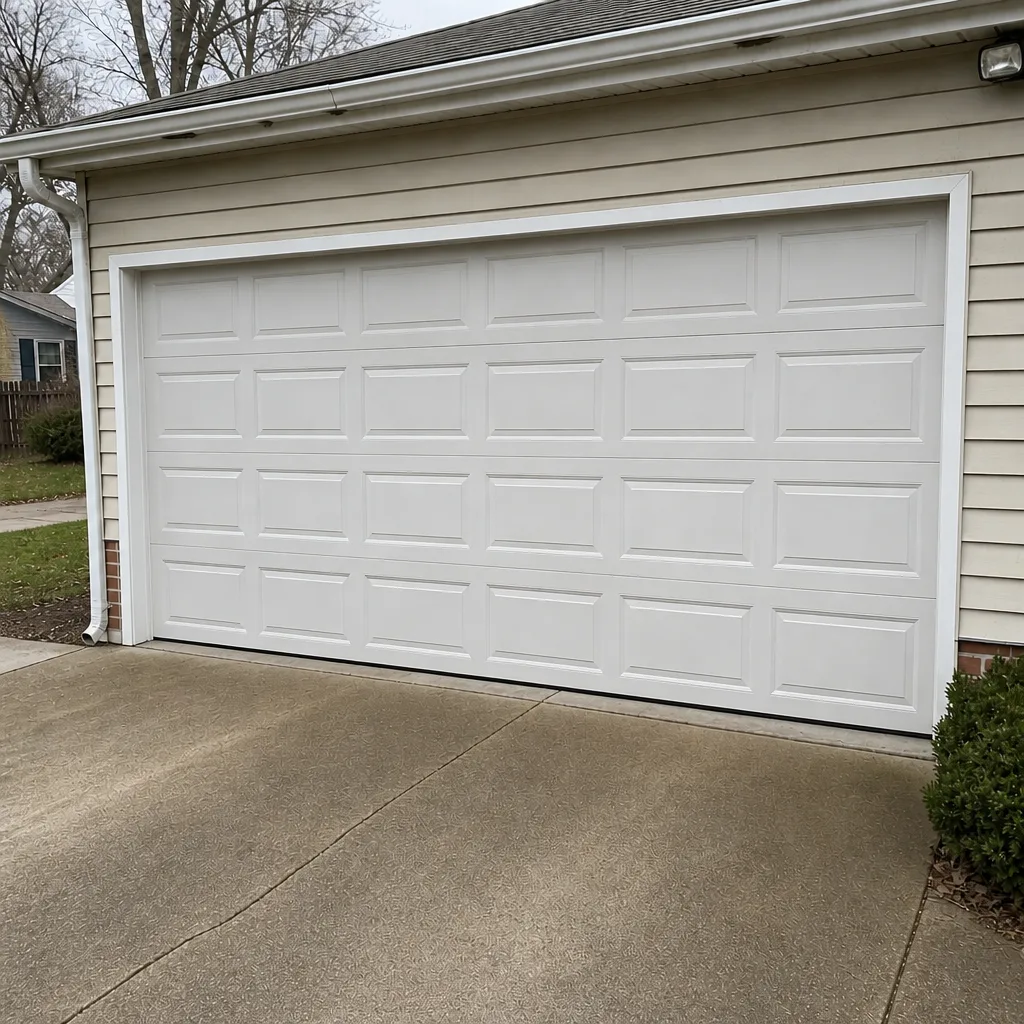
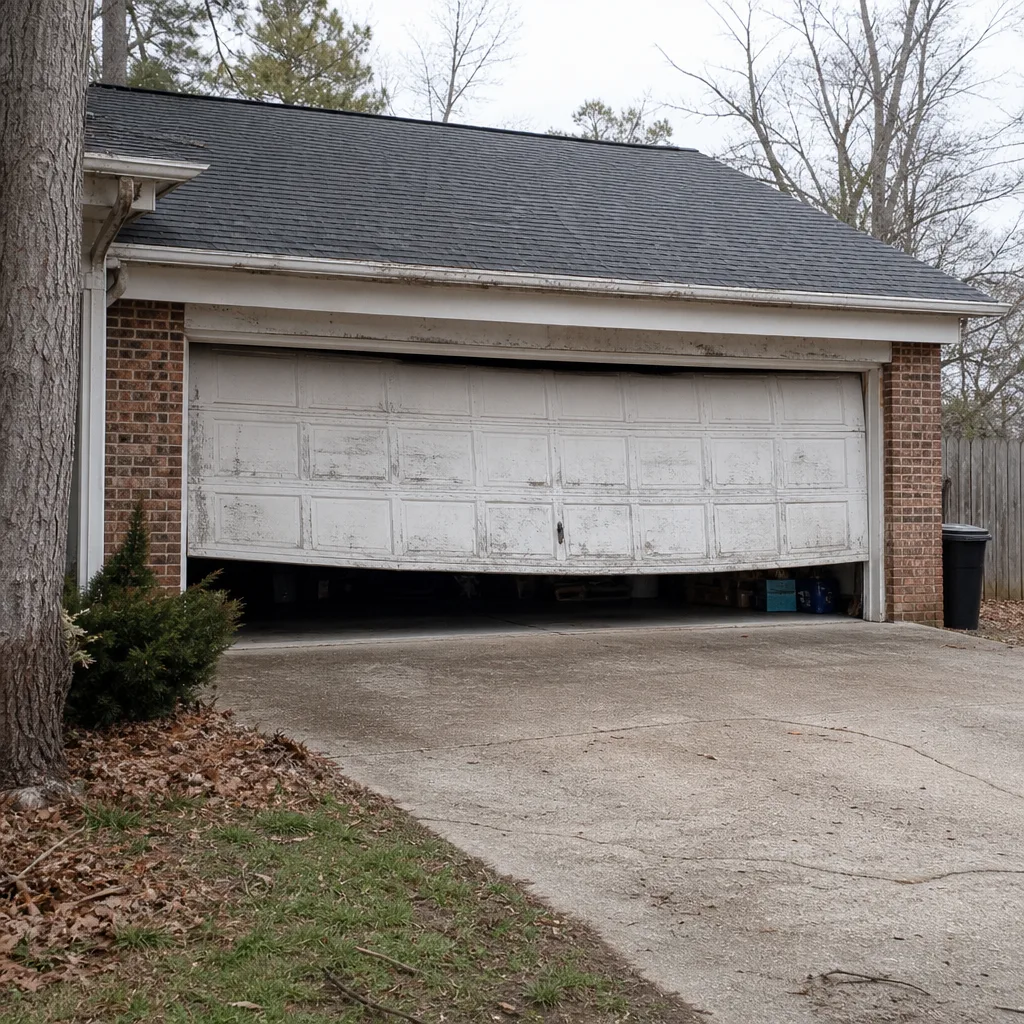
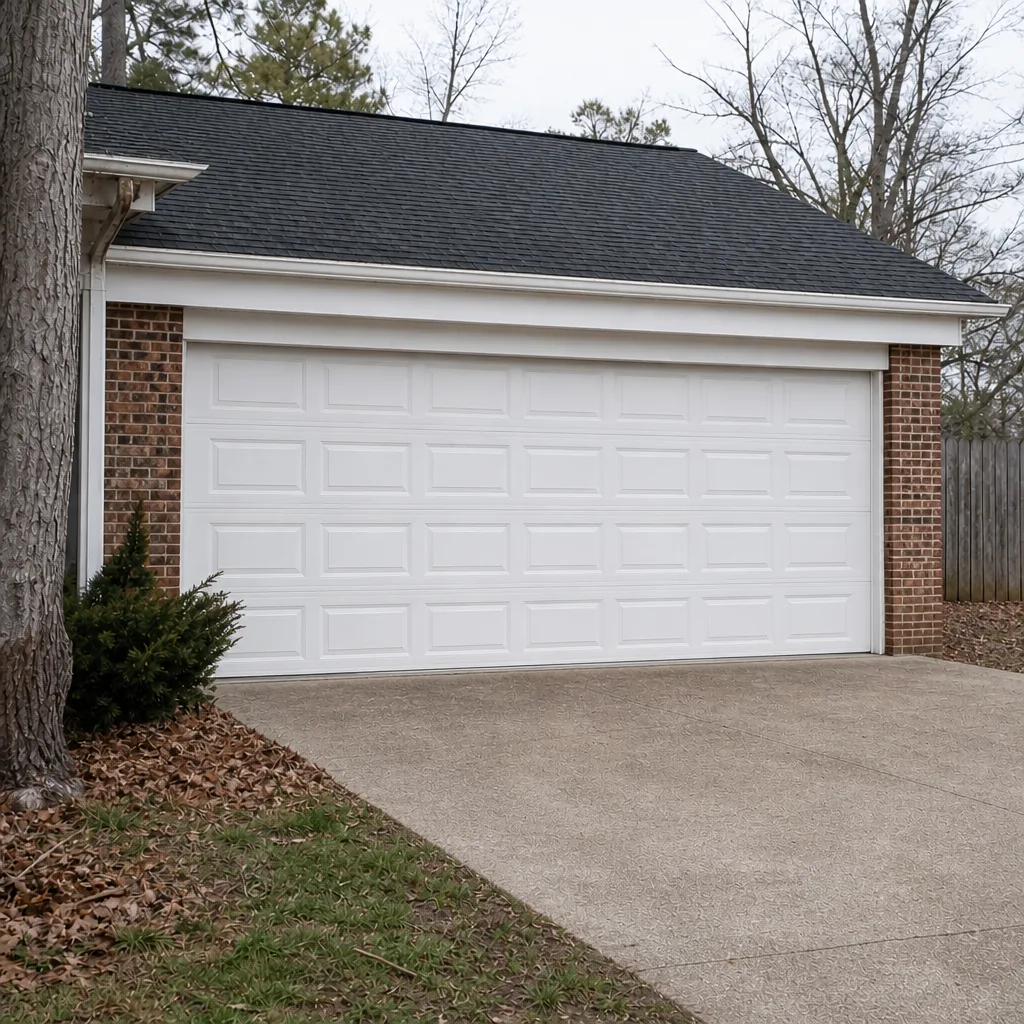
See the difference
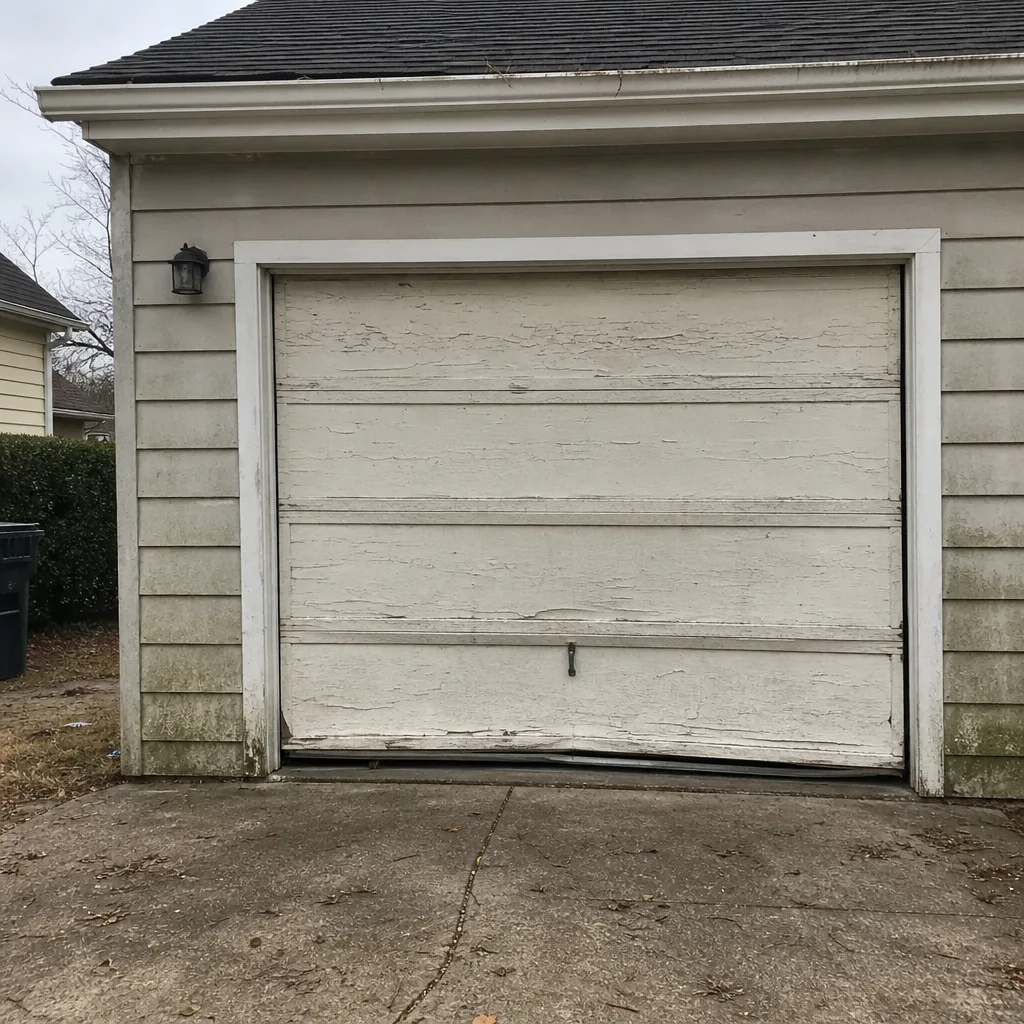 Before
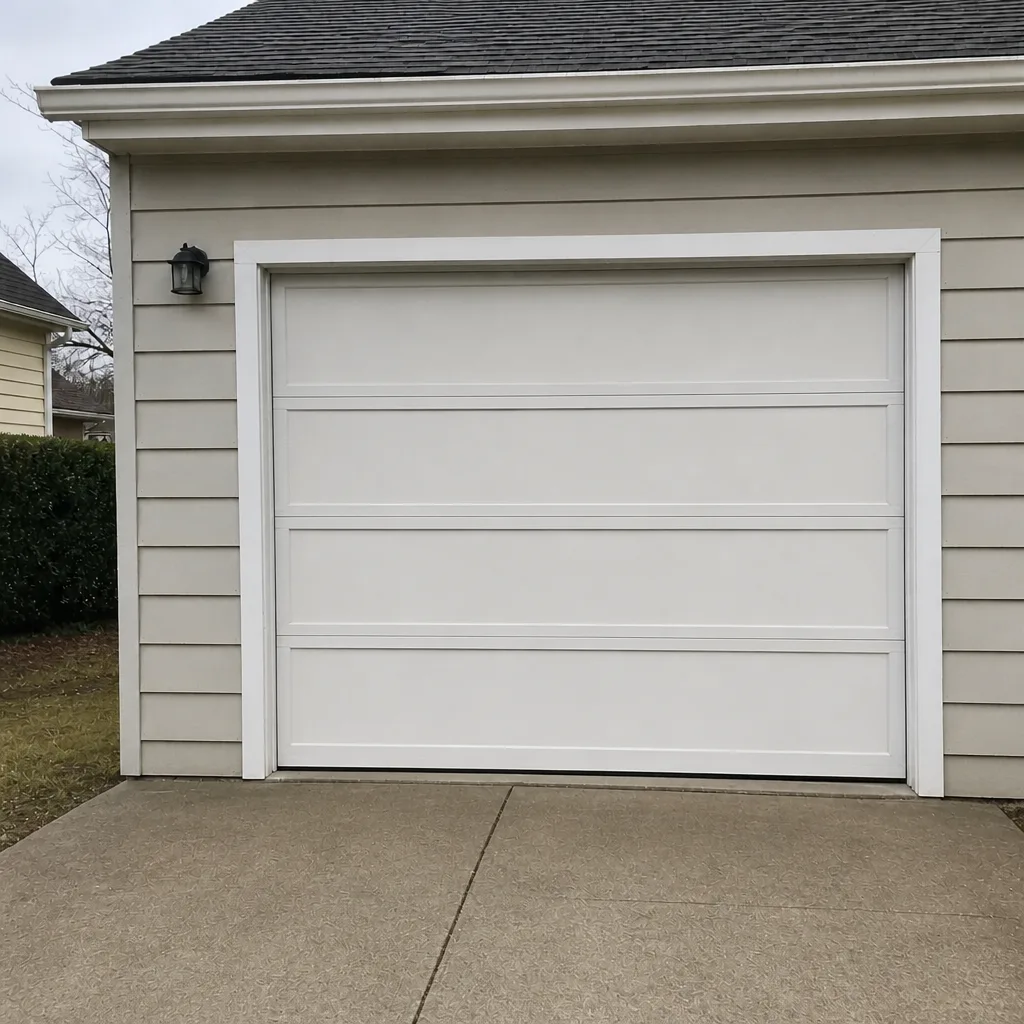 After
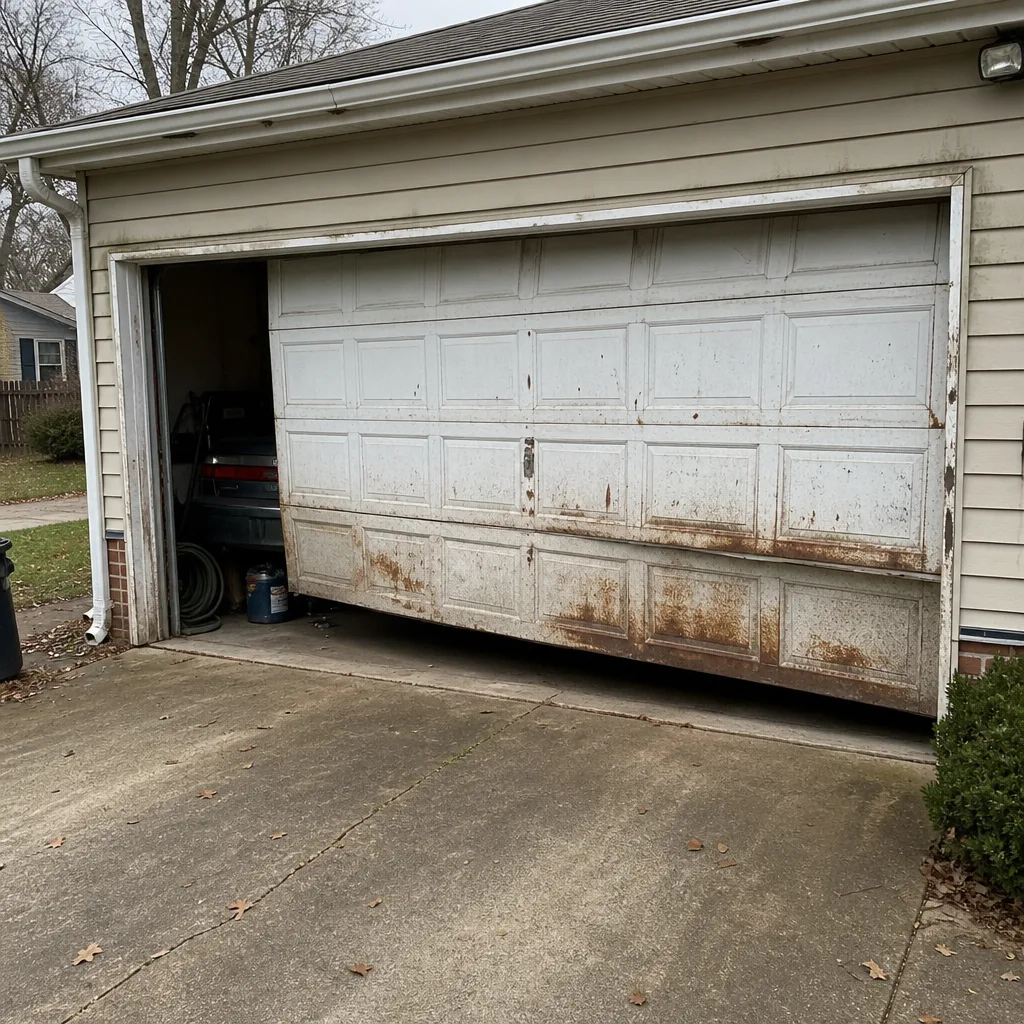 Before
 After
 Before
 After
When to Call a Professional
You should call a professional any time the problem involves a spring, a cable, or a door that won’t stay in its tracks – those are the components where a mistake can cause real injury, and they’re not the place to save a few dollars. You should also call when the door is stuck open or won’t close, since that’s a security problem and not just an inconvenience. And call when you’ve tried the two safe tests in this guide and can’t tell which part is at fault – a trained technician can identify it in minutes and quote a repair without guesswork.
Great Neck Garage Door Repair Pros offers free estimates in Great Neck – call (877) 792-6350. We work on the door you already have, whether it’s a Raynor, a Genie, or any of the other brands we service, and we’ll tell you honestly whether it’s a repair or a replacement.
Frequently Asked Questions
Grinding usually means a worn or seized roller or a dry bearing, and it’s rarely an emergency. It’s the door dragging metal against metal, and it’s worth a scheduled repair before the friction damages the track itself. Call (877) 792-6350 for a free estimate and we’ll tell you whether it’s a roller set or something more.
A gap in the coil means the torsion spring has broken and the door is unbalanced. Do not operate the door, even manually, until it’s repaired. This is a same-day call – the door can fail or drop if it’s forced.
No. Springs and cables are under high tension and can cause serious injury, and this is work for a trained technician. The parts themselves are not the risk – the stored energy is. Call (877) 792-6350 and we’ll handle it safely.
A door that reverses is usually responding to blocked or misaligned safety sensors at the base of the track. Clean and check the sensors, and if the door still reverses, the travel limits or force settings need adjustment by a technician. Don’t override the reverse feature.
A broken spring, a frayed or snapped cable, or a door that slams or reverses unpredictably is urgent and needs same-day service. Grinding, squealing, slow opener response, and cosmetic damage can wait for a scheduled appointment. If you’re not sure, describe the symptom over the phone and we’ll help you judge.
Yes – a door stuck open in Great Neck leaves the garage exposed and shouldn’t be left unattended. Our emergency service is available for urgent failures, and a technician can often get the door back in service the same day. Call (877) 792-6350.
The Bottom Line
Garage door problems announce themselves early if you know what to listen and look for. Grinding points to rollers, scraping usually points to cables, popping to springs or drums, squealing to hinges and lubrication, and banging to balance and travel limits. A spring gap, a frayed cable, or erratic movement are the three signs that require same-day service; everything else can be scheduled. The two safe tests – the visual travel check and the manual balance check – tell you most of what you need to know without touching anything dangerous. And a clear, specific description of the symptom is the fastest path to a correct diagnosis and, in most cases, the same day’s repair. If you’re looking for a specialist who works only on garage doors, we can help from Great Neck Garage Door Repair Pros.
If any of these warning signs look familiar, don’t wait for the door to fail. Call (877) 792-6350 for a free estimate and get a straight answer on what’s wrong and what it takes to fix it. One call covers everything your garage door needs.
Written by the team at Great Neck Garage Door Repair Pros.