Last updated November 21, 2026
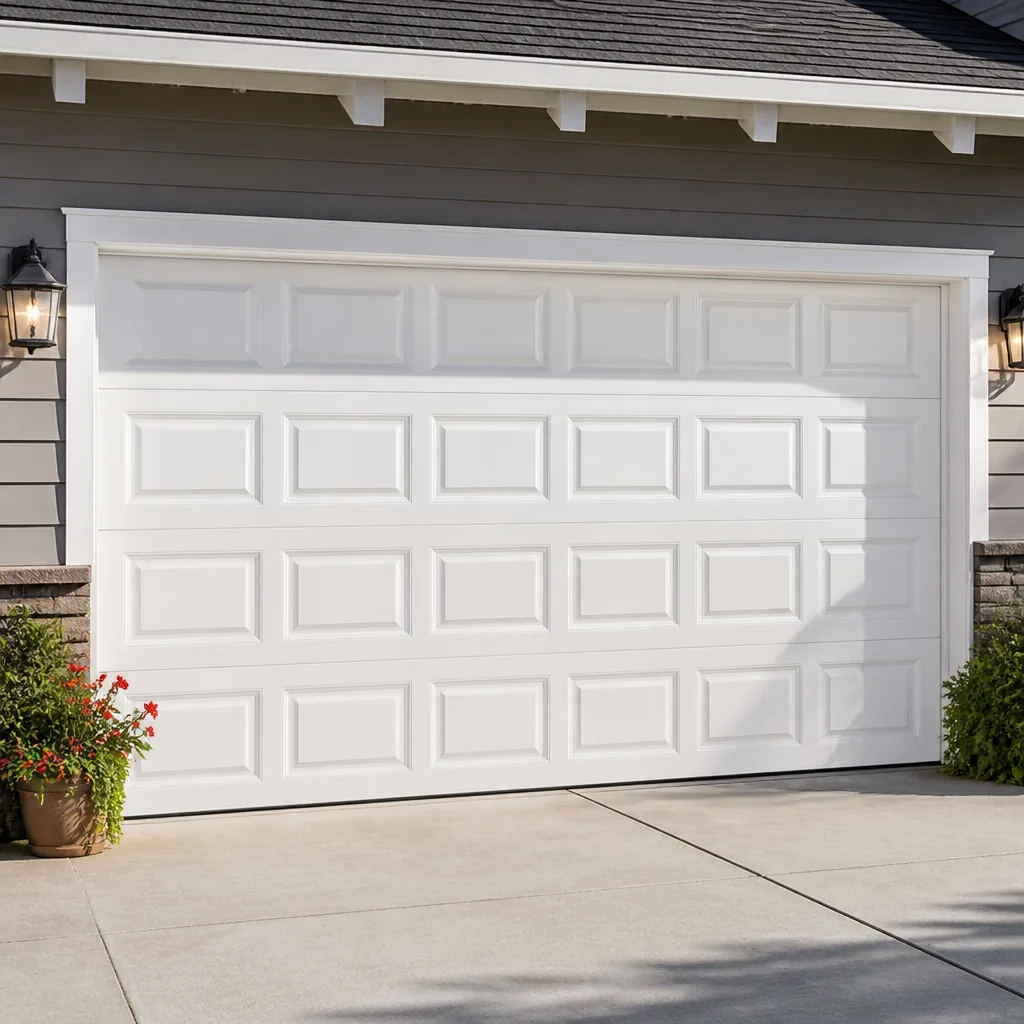 Raised-panel steel
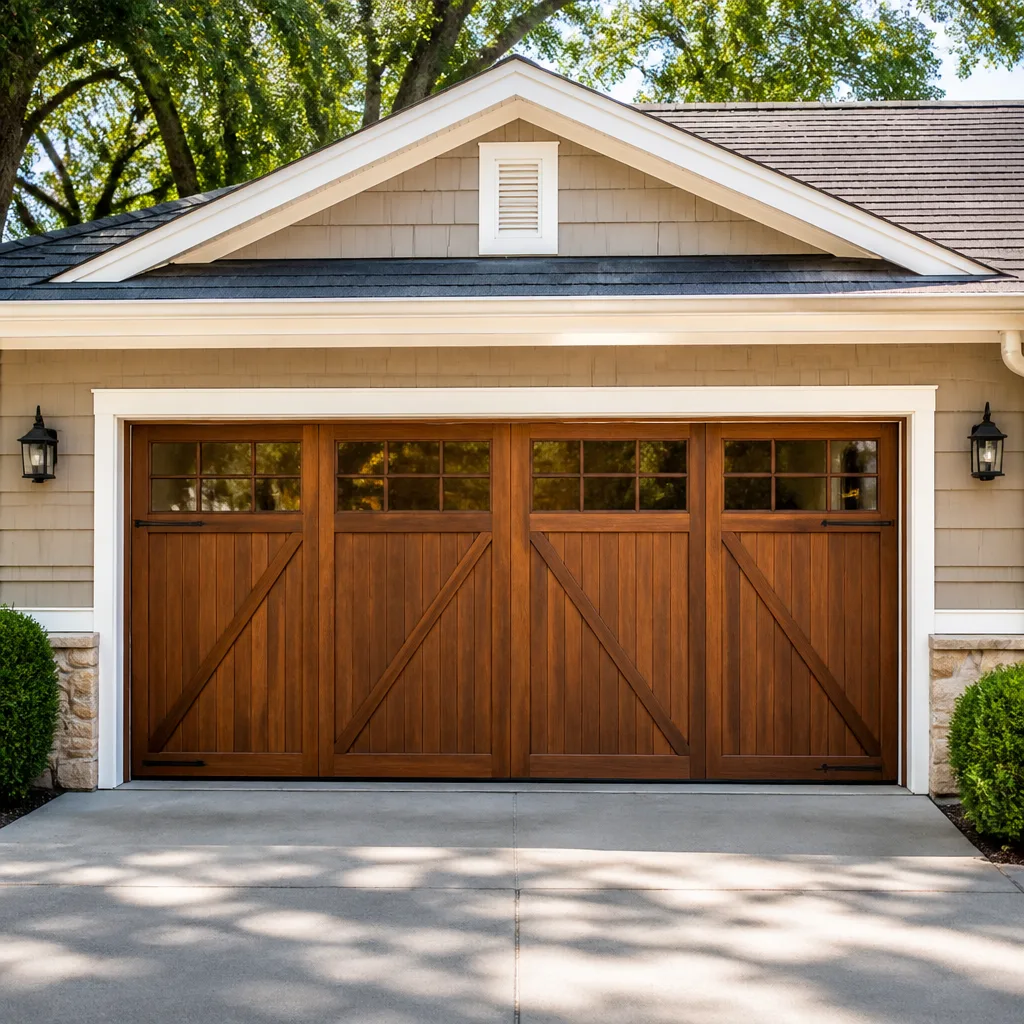 Carriage house
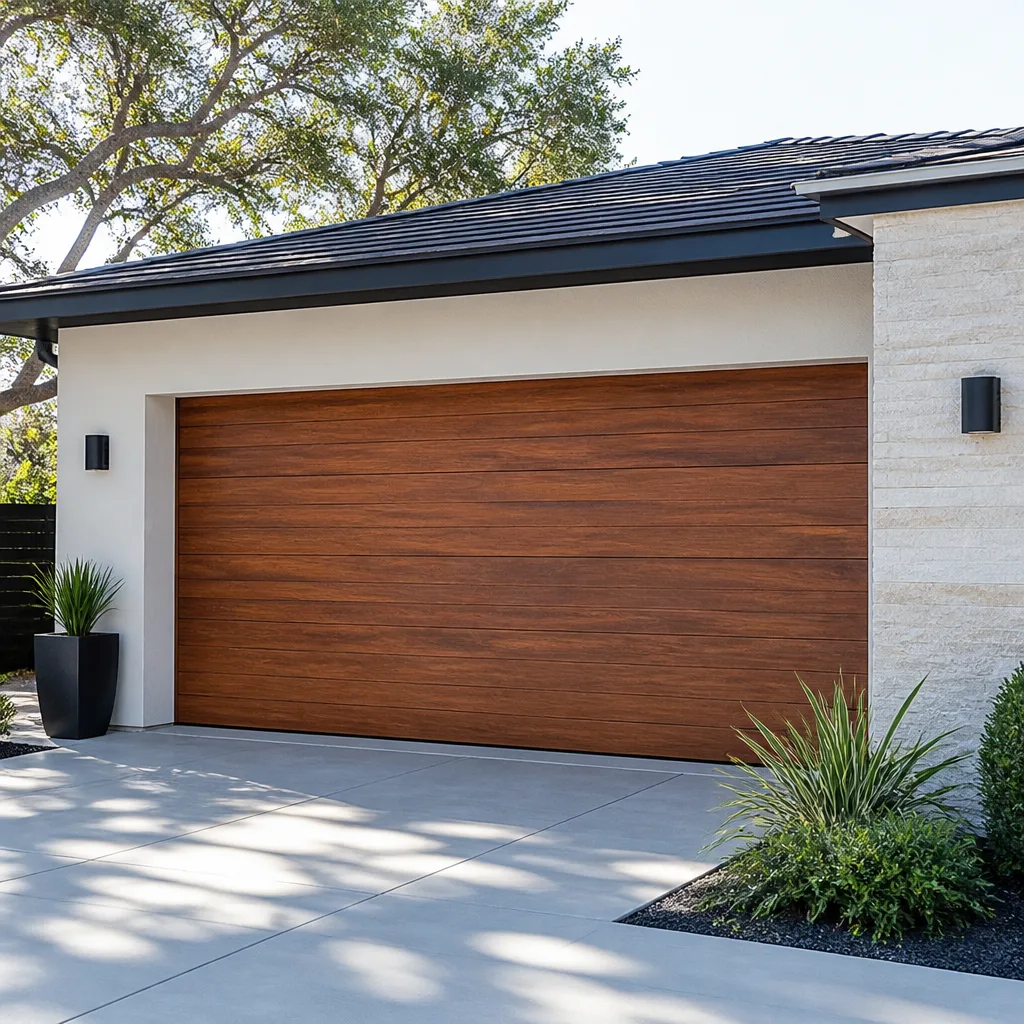 Modern flush
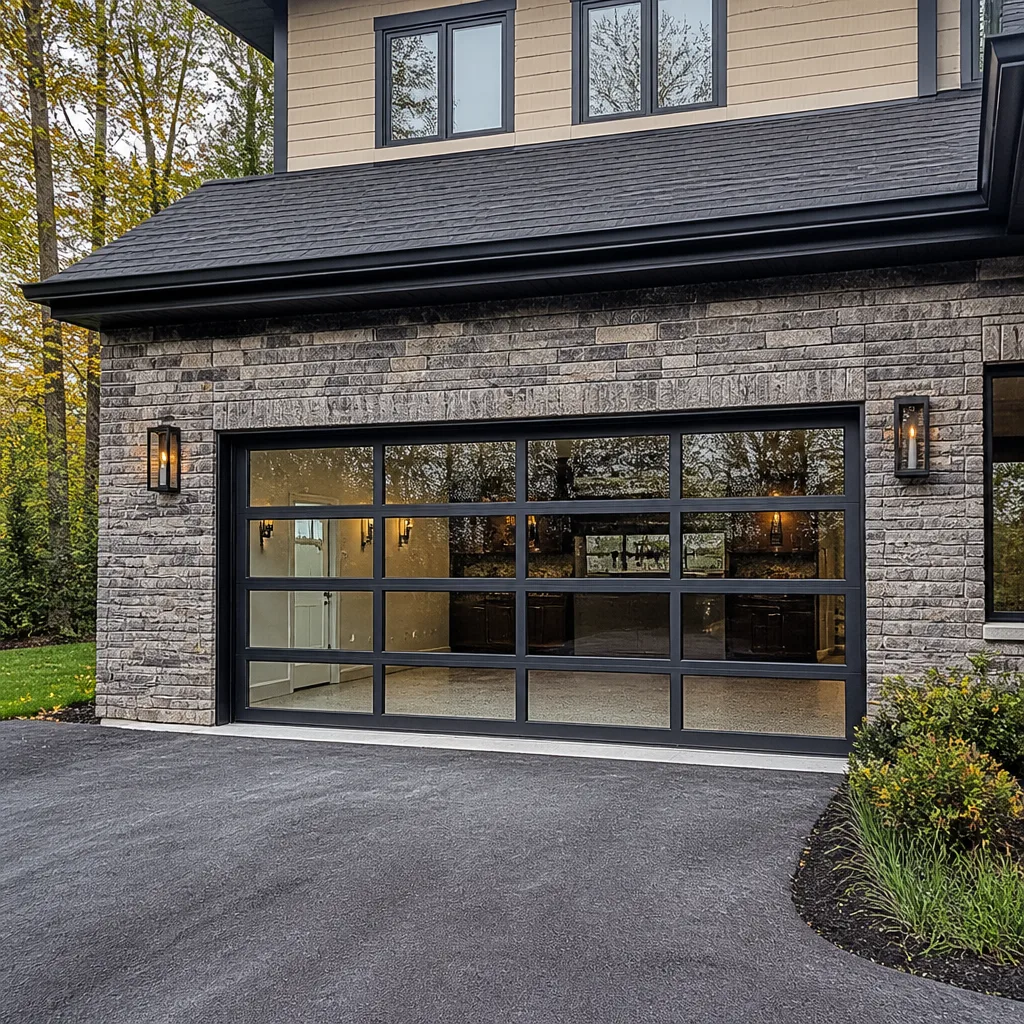 Full-view glass
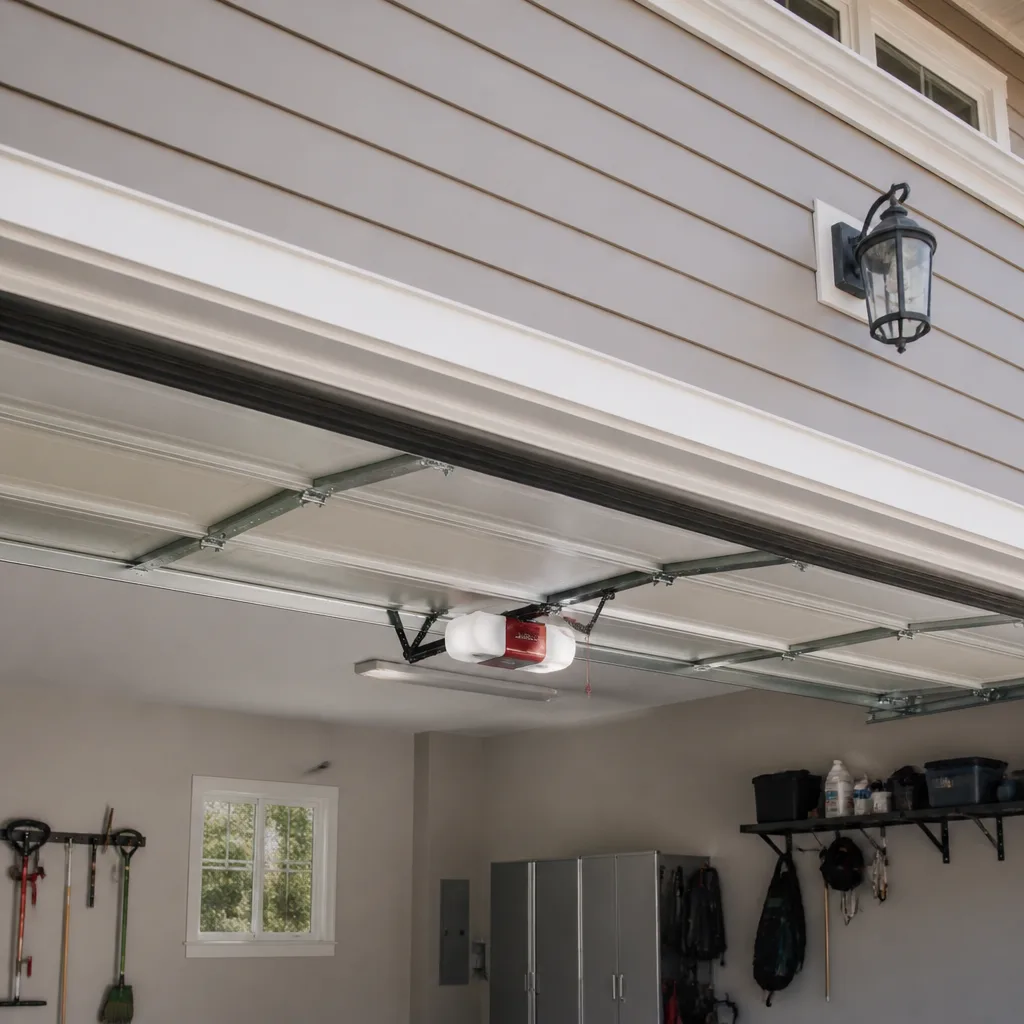 LiftMaster openers
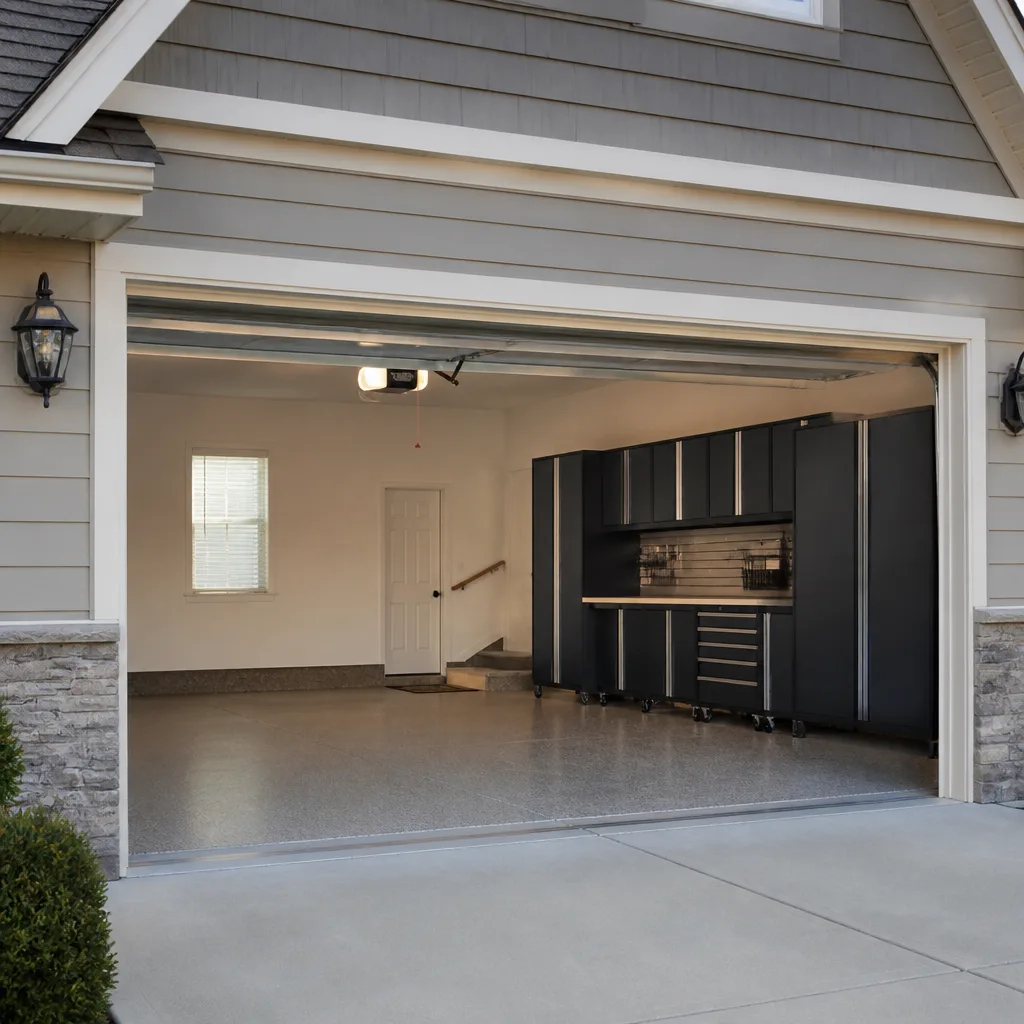 Chamberlain openers
Full 25-point door and opener safety check with every visit - springs, cables, rollers, tracks, and your LiftMaster or Chamberlain opener included
You get a price before we start. It does not change when the pro arrives.
Get your free estimateThe Complete Guide to Garage Doors in Great Neck
Most garage door buying guides are written as if every house sits in the same climate and every town has the same rules. Great Neck isn’t that place. The humidity and temperature swings that move through this part of Virginia punish doors and openers differently than the dry inland conditions a national guide assumes. Steel skins trap moisture. Wood composite swells at the seams. Chain drives that run quietly in a mild climate get noisy and worn when the air is thick and the seasons lurch. This guide is built around what actually holds up here. You’ll learn how to pick materials and drive systems for Great Neck’s weather, what local HOA rules tend to restrict, how to judge a specialist against a general contractor, and a realistic lifespan breakdown for every major component.
Quick Answer
The right garage door for a Great Neck home is usually an insulated steel door on a belt-drive opener, chosen to match your HOA’s approved styles and colors and sized to your attached garage. Insulated steel handles the humidity and temperature swings here better than wood composite for most homes. Have the door measured and the opener matched by a technician who works on the exact brand already on your house, and get the price in writing before any work starts.
Styles & brands we work with
- Raised-panel steel
- Carriage house
- Modern flush
- Full-view glass
- LiftMaster openers
- Chamberlain openers
Table of Contents
- How Great Neck’s Humidity and Temperature Swings Affect Your Door
- Choosing Between Steel, Wood Composite, and Fiberglass Panels
- Belt, Chain, or Screw: Which Drive System Holds Up Here
- What Great Neck HOA Guidelines Usually Restrict
- Specialist vs. General Contractor: Warranty and Parts Sourcing
- A Realistic Lifespan Breakdown for Virginia Conditions
- Why Spring Work Is a Safety-Critical Job
- A Simple Seasonal Check You Can Do Yourself
How Great Neck’s Humidity and Temperature Swings Affect Your Door
The garage door specs that work perfectly in a dry inland climate can fail prematurely in Great Neck’s humidity and temperature swings, and most national buying guides never mention it. A garage door is a large moving panel of steel, wood, or fiberglass that has to slide or lift on tracks bolted to a structure that expands and contracts with the seasons. When the air is damp and warm for months and then cold and dry for months, every part of that system works against itself. Steel panels collect condensation on their inner face. Wood components take on moisture and swell. Grease on the tracks and rollers thins out and stops protecting the metal. That’s the environment your door lives in, and it’s why a door that’s rated for twenty years in a mild climate can need attention far sooner if the parts weren’t chosen with moisture in mind.
The temperature swing matters just as much as the humidity. On a cold morning the steel frame shrinks slightly and the door can bind or squeal on its way up. On a warm afternoon the same frame expands and the door closes more freely. Motors feel that difference too: a chain-drive opener that ran smoothly in spring may struggle on the first cold snap because the lubricant has stiffened. In our experience working on doors around Great Neck, homeowners notice the noise first, then the door stopping halfway, then the opener straining. Each is a signal that the system is fighting the climate, and each is cheaper to fix early than late.
What this means for you:
- Look for insulated panels with a moisture-resistant finish, not a bare steel skin.
- Keep the tracks clean and lightly lubricated so condensation doesn’t turn into rust.
- Have the opener checked before winter, when the cold puts the most load on the motor.
- Watch for sticking at the seams and corners, which is where moisture gets in first.
The neighborhood layout doesn’t change any of this. Whether you’re in an attached garage in one of the older streets near the village center or a newer build in the surrounding subdivisions, the humidity and the swing are the same. The door and the opener have to be matched to the climate, not just the size of the opening. That’s the first principle of buying a door here, and it’s what separates this guide from one written for a generic suburb.
Choosing Between Steel, Wood Composite, and Fiberglass Panels
Picking a material for a Great Neck door is mostly a question of how each one handles moisture and temperature change. Here’s how the three common options actually behave in this climate.
Insulated steel is the safest all-around choice for most homes here. It resists moisture, holds its shape through the swings, takes a factory finish that keeps rust away, and insulates well enough to keep the space behind it from baking in summer. The panels are heavy, so they need a properly rated opener and springs, but the trade-off is durability. A quality steel door from a brand like Clopay or Amarr is the option we’d point most Great Neck homeowners toward first.
Wood composite panels look warmer and match the older housing stock beautifully, and for a home where curb appeal is the priority that matters. The catch is moisture. Composite does better than solid wood, but the seams and the bottom edge still take on water over the years, and the finish needs refreshing more often. If you choose composite, expect more upkeep and have the door checked for swelling at the seams each season. A Wayne Dalton composite can be a good match for a home that wants the traditional look, with the understanding that the finish is part of the maintenance, not a one-time job.
Fiberglass is light, resists moisture well, and won’t rust, which is attractive. Its limits are impact resistance and finish: it can crack under a hard hit and the color can fade with sun exposure. For a garage that doesn’t see a lot of physical activity, fiberglass is a reasonable lighter-weight alternative. For a busy driveway with kids and sports equipment, steel holds up longer.
How to decide, step by step:
- Rank your priorities: durability first, or look first?
- Check your HOA’s approved materials before you fall in love with a finish.
- Match the material to the garage’s exposure: a door in full afternoon sun needs a finish that resists fading.
- Confirm the opener and springs are rated for the new door’s weight before ordering.
- Get the written price for the door plus installation before you commit.
Whichever material you pick, ask for an insulated core. It’s the single upgrade that pays off most in this climate, keeping the garage cooler in summer and warmer in winter and reducing the condensation that drives so much premature wear. When you’re ready to compare options in person, a garage door installation visit gets the door measured and the price written down.
Belt, Chain, or Screw: Which Drive System Holds Up Here
Your opener’s drive system decides how quietly and smoothly the door moves, and in a climate with real humidity and big temperature swings, the choice matters more than most people realize. The three common drives behave quite differently.
Chain drive is the most durable and the most affordable to buy, and it handles heavier doors well. The trade-off is noise and maintenance: a chain needs lubrication to run quietly, and in the damp stretches of a Great Neck year that lubrication thins faster. A well-cared-for chain drive can serve a long time, but if it’s not kept lubed the noise builds and the strain on the motor grows.
Belt drive is the quietest option and the best fit for an attached garage directly under or next to living space, which is common in Great Neck homes. A belt runs smoothly, doesn’t need the same constant oiling, and won’t rattle the house when it moves. The main caution is cold: a belt can stiffen on the coldest mornings, so it helps to have the opener matched to the door’s weight and checked before winter.
Screw drive sits between the two. It’s quiet, needs less lubrication, and moves steadily. It tends to cost more and can be noisier than a belt in a home where the garage sits right below a bedroom. For most attached garages here, belt is the sweet spot; for a detached garage where noise doesn’t matter, a chain drive with regular lubrication is a solid budget choice.
When you’re choosing, keep these in mind:
- Match the opener’s lifting capacity to the door’s weight, especially for an insulated steel door.
- Choose belt for quiet in an attached garage, chain for durability on a detached one.
- Look for Wi-Fi and smart features if you want to check or open the door from your phone.
- Have the opener serviced before winter, when cold loads it hardest.
Modern openers from LiftMaster, Chamberlain, Genie, and Craftsman cover both the older remote setups and today’s Wi-Fi-enabled models, so there’s a good match for whatever door you have. If yours is straining, noisy, or stopping partway, that’s the point to look at garage door opener repair rather than wait for it to fail completely. A technician who knows the exact brand on your ceiling diagnoses it correctly the first time, which is the whole reason we work across all the major brands instead of just one.
What Great Neck HOA Guidelines Usually Restrict
Before you fall for a particular door style, color, or window pattern, check your HOA. Many Great Neck neighborhoods have architectural review rules that limit what you can put on the front of your house, and replacing a door without approval can mean redoing the job. The rules vary from one association to the next, so the general pattern is more useful than any single rule, and the only authority is your own HOA’s documents.
What these guidelines commonly restrict:
- Style: many associations specify raised-panel, carriage-house, or a particular panel pattern to keep the street consistent.
- Color: approved palettes are common, often earth tones, whites, and grays, with bright or unusual colors ruled out.
- Windows and glazing: the number, shape, and placement of windows may be limited, and frosted or tinted glass may be required.
- Materials: some associations name approved materials or finishes to keep the look uniform.
- Visible hardware: decorative handles and hinges may be restricted on some streets.
How to check before you buy, in order:
- Get your HOA’s architectural guidelines in writing and read the section on garage doors.
- Ask whether your replacement needs a formal approval or just a notification.
- Keep the approval in hand before you order the door, so the timeline doesn’t stall.
- If you’re unsure, ask the association directly which styles and colors are approved for your unit.
The practical point: a door that’s perfect for the climate but rejected by the HOA is a wasted purchase. Confirm the rules first, then choose the material and finish that satisfy both. On top of the HOA, most cities require a permit for structural changes to a garage opening, so it’s worth a call to the local building department before any work that alters the opening itself. We’re happy to talk through what a HOA-compliant replacement looks like for your home in Great Neck.
Specialist vs. General Contractor: Warranty and Parts Sourcing
When a garage door needs work, the question of who does it matters as much as what they do. A garage door specialist and a general contractor can both swing a hammer, but they don’t bring the same thing to a door, and the difference shows up in warranty coverage and where the parts come from.
A specialist works on doors every day. That means the technician arrives already familiar with the exact brand and model on your house, whether it’s a Clopay, an Amarr, a Wayne Dalton, or a Craftsman, and knows the parts that fit it. Parts sourcing follows from that: a specialist keeps access to the right springs, rollers, cables, and opener components for the systems they service, so the repair is done with parts made for your door rather than a generic substitute that fits loosely and wears early. Warranty coverage is cleaner too, because the work is done to the manufacturer’s spec and the replacement parts carry their own coverage. When a general contractor subs the door out or uses a universal part, that clarity gets murky, and it’s the homeowner who discovers it when something fails again.
What to ask any contractor before they start:
- Do you work on my door brand specifically, and can you get the correct parts for it?
- Is the replacement part covered by a warranty, and for how long?
- Will the price be written and agreed before work starts?
- Is the person doing the work trained on high-tension spring systems?
A single-trade focus is the real proof. When a company does nothing but garage doors, every tool and every part is chosen for that work, and the diagnostics are faster because the technician has seen the same failure many times. That’s the model we follow: one call covers everything your garage door needs, from a noisy opener to a full replacement. If you’d rather compare, read about our garage door repair work and what a specialist visit includes before you decide. The goal isn’t to talk you out of a general contractor; it’s to make sure you know what you’re trading away if you choose one for a door-specific job.
A Realistic Lifespan Breakdown for Virginia Conditions
Every part of a garage door wears out on its own schedule, and in Virginia’s humidity and temperature swings those schedules shift. Here’s a realistic breakdown you can plan around. Treat these as typical ranges, not promises; how a door is used and maintained moves them.
- Door panels: a well-maintained insulated steel door commonly serves 20 years or more; wood composite needs more upkeep and may need refinishing well before that.
- Torsion springs: high-tension springs are rated in cycles, not years, and most are built for a set number of open-and-close cycles. A busy household burns through them faster, and the swing from warm to cold adds strain.
- Extension springs: similar cycle-based life, and they should always be paired with a safety cable.
- Openers: a quality opener commonly serves 10 to 15 years, with belt drives often lasting toward the top of that range and chain drives needing lubrication to get there.
- Rollers and hinges: these wear faster in a damp climate, so expect to replace them a few times over the life of the door.
- Cables: these carry the door’s weight and should be inspected regularly; a frayed cable is a safety issue.
- Weather seals: the bottom seal and perimeter seals take the most moisture, so they wear out first and are the cheapest to replace.
The single biggest factor in how long each part lasts is maintenance. A door that’s lubricated, balanced, and inspected each season gets closer to the top of every range. One that’s ignored drifts toward the bottom. The springs are the part to watch most closely, because they do the heaviest lifting and their failure is the one that most needs a trained hand. If your door suddenly feels heavy, won’t stay up, or makes a loud bang when it moves, stop using it and call a professional. We can give you a clear picture of what needs replacing and what still has life left, and we’ll put the price in writing before anything is touched.
Why Spring Work Is a Safety-Critical Job
Torsion and extension springs hold the full weight of the door, and when one fails under tension it releases that energy in an instant. This is dangerous work, and it’s the reason spring repair is treated as a specialized service rather than a routine one. A trained technician knows how to release the tension safely, how to match the new spring to the door’s weight, and how to test the balance afterward so the opener isn’t fighting a door that’s out of adjustment. Getting it wrong can injure the person doing it and damage the door, and a mismatched spring will fail again quickly.
We handle spring work as a core part of what we do, not an add-on. Our technicians have up to 15 years of experience, and spring systems are exactly the kind of job that experience is for. If a spring breaks, don’t try to force the door or prop it open with a tool. Leave it down if you can, and call. (877) 792-6350 reaches us for free estimates, and we can talk you through whether the door is safe to use until we arrive.
A Simple Seasonal Check You Can Do Yourself
You don’t need to touch the springs or cables to protect your door, but a few safe checks each season catch small problems before they become expensive ones. None of these involve high-tension parts, so they’re safe for a homeowner.
- Listen. Run the door up and down and note any new squeaks, rattles, or grinding. Noise is the earliest signal.
- Watch the balance. With the door about halfway up and the opener disconnected, it should stay put. If it drifts down on its own, the springs or cables need a look.
- Check the seal. Run a hand along the bottom seal and the sides. Cracks, gaps, and stiffness mean it’s time for a replacement, which is cheap and keeps moisture out.
- Look at the tracks. They should be straight and clean. Dents or debris cause binding, so clear anything loose and note any bent sections.
- Test the safety reverse. Put a small object in the door’s path and confirm the door reverses when it meets it. This is a safety feature, so if it fails, call us.
Do these checks at the change of each season, since that’s when the temperature swings put the most stress on the system. They take five minutes and save a lot of grief. Anything that involves the springs, cables, or the opener’s internal parts is the point to stop and call. We work on the door you already have, across the major brands, so a technician arrives already familiar with your setup and can tell you what it needs without guesswork.
Common Mistakes to Avoid
- Buying a door before checking the HOA. A beautiful door that violates your association’s approved styles or colors has to come back off, so read the guidelines first. It’s the most avoidable mistake in Great Neck.
- Ignoring a noisy or straining opener. Noise is the earliest warning of a failing part, and a small repair now is far cheaper than a motor replacement later. Have it checked before winter when the cold hits hardest.
- Tackling spring work yourself. The springs hold the door’s full weight, and a mistake can cause serious injury. Leave it to a trained technician; it’s not a homeowner job.
- Skipping the insulation. A non-insulated door in this climate lets heat and moisture into the garage and drives condensation that ages the whole system. Insulated panels pay for themselves.
- Choosing a drive system by price alone. A cheap chain drive on an attached garage can be noisy for years, while a belt drive costs a little more and runs quietly. Match the drive to where the garage sits.
- Going with a general contractor for a door job. Generic parts and subbed-out work can leave you without clear warranty coverage. A specialist sources the right parts and stands behind the work.
- Skipping the seasonal check. Five minutes each season catches worn seals, bent tracks, and strain before they turn into a failed door or a stalled opener.
See the difference
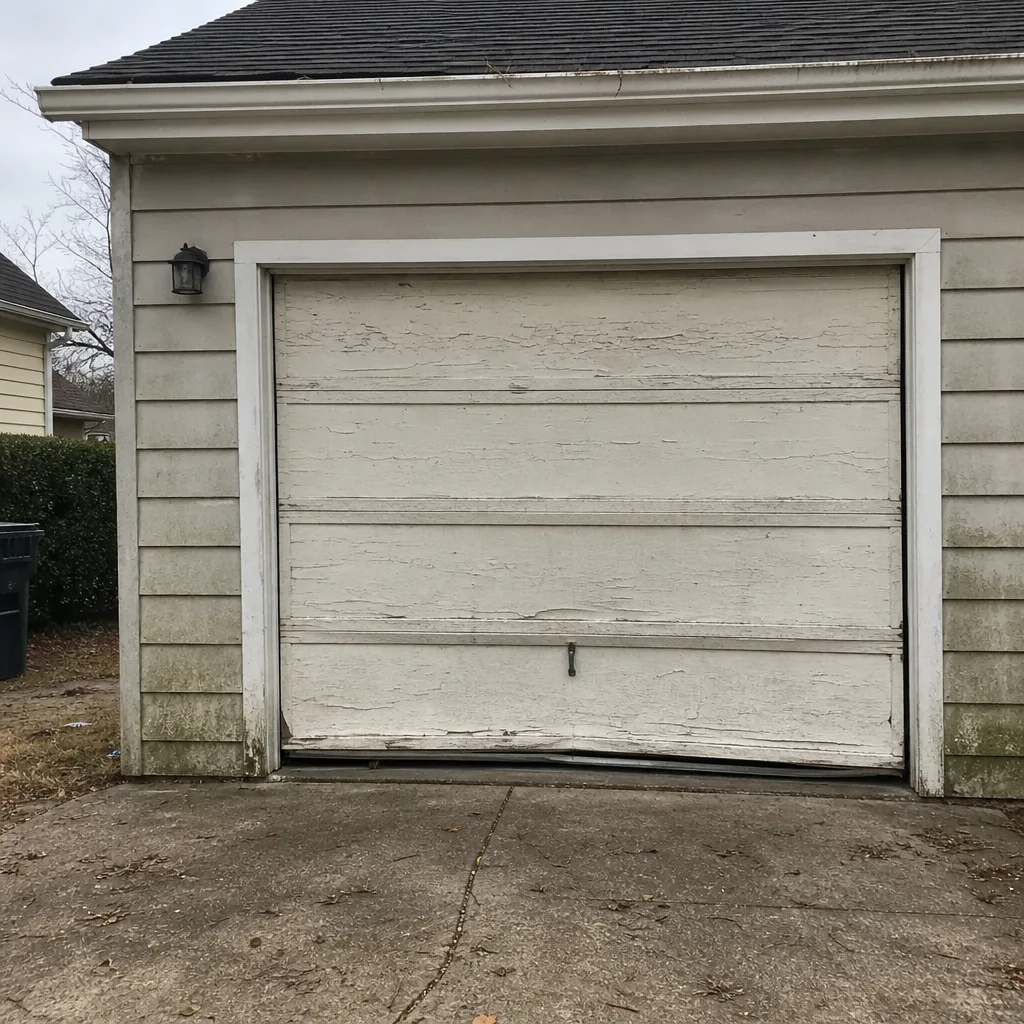 Before
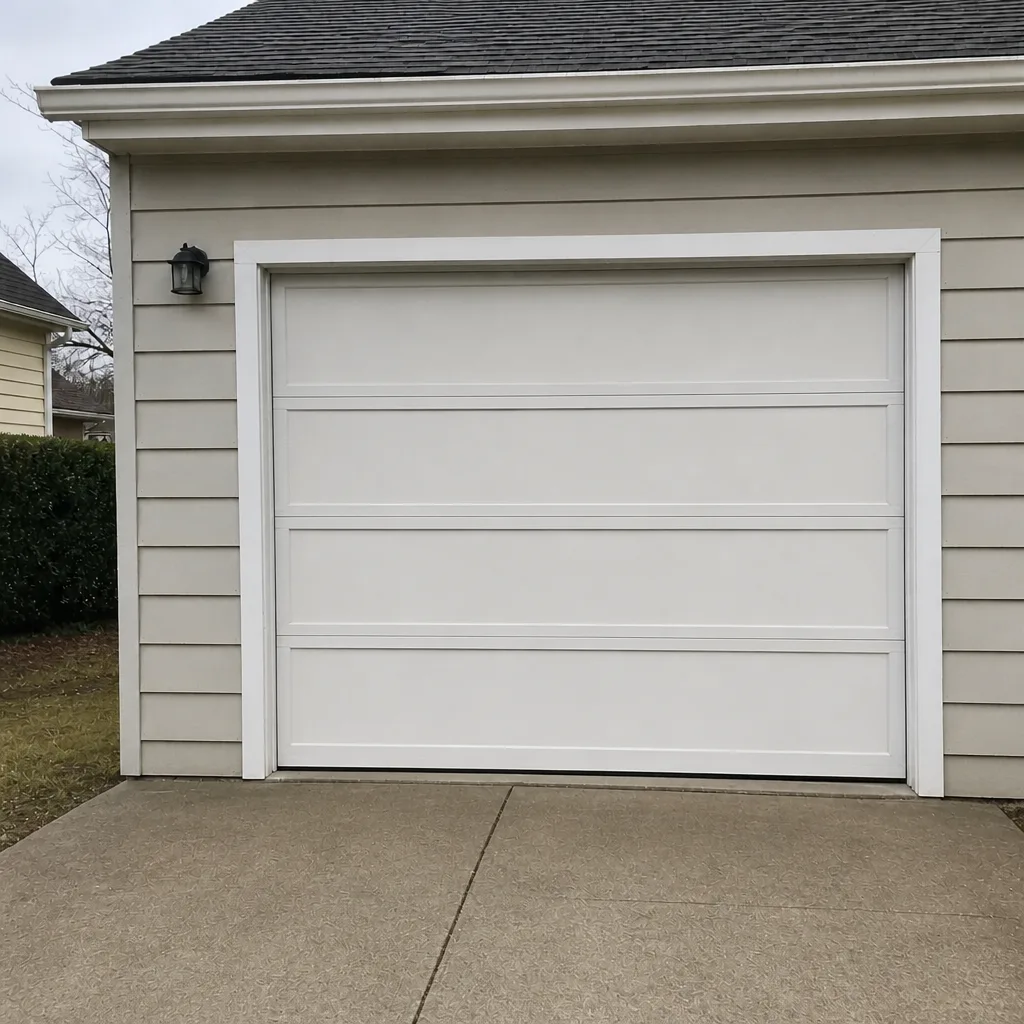 After
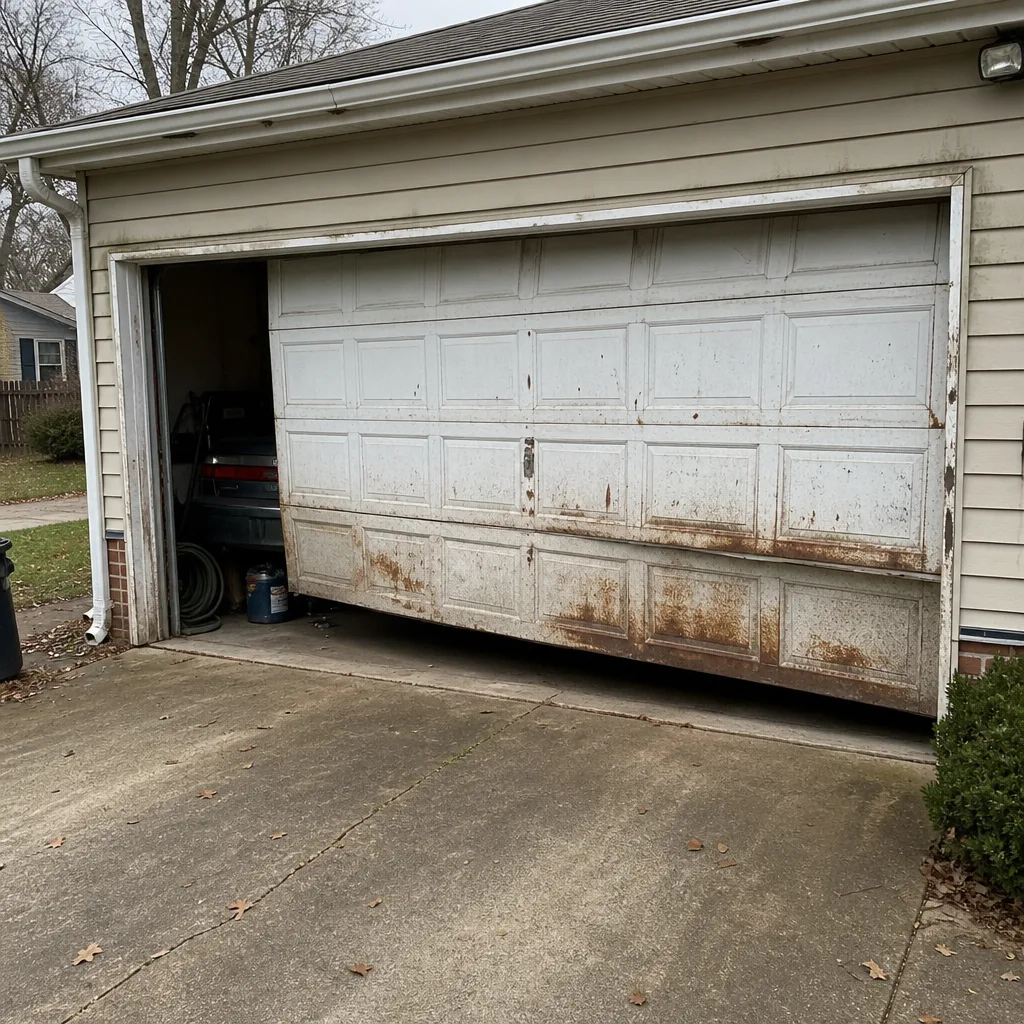 Before
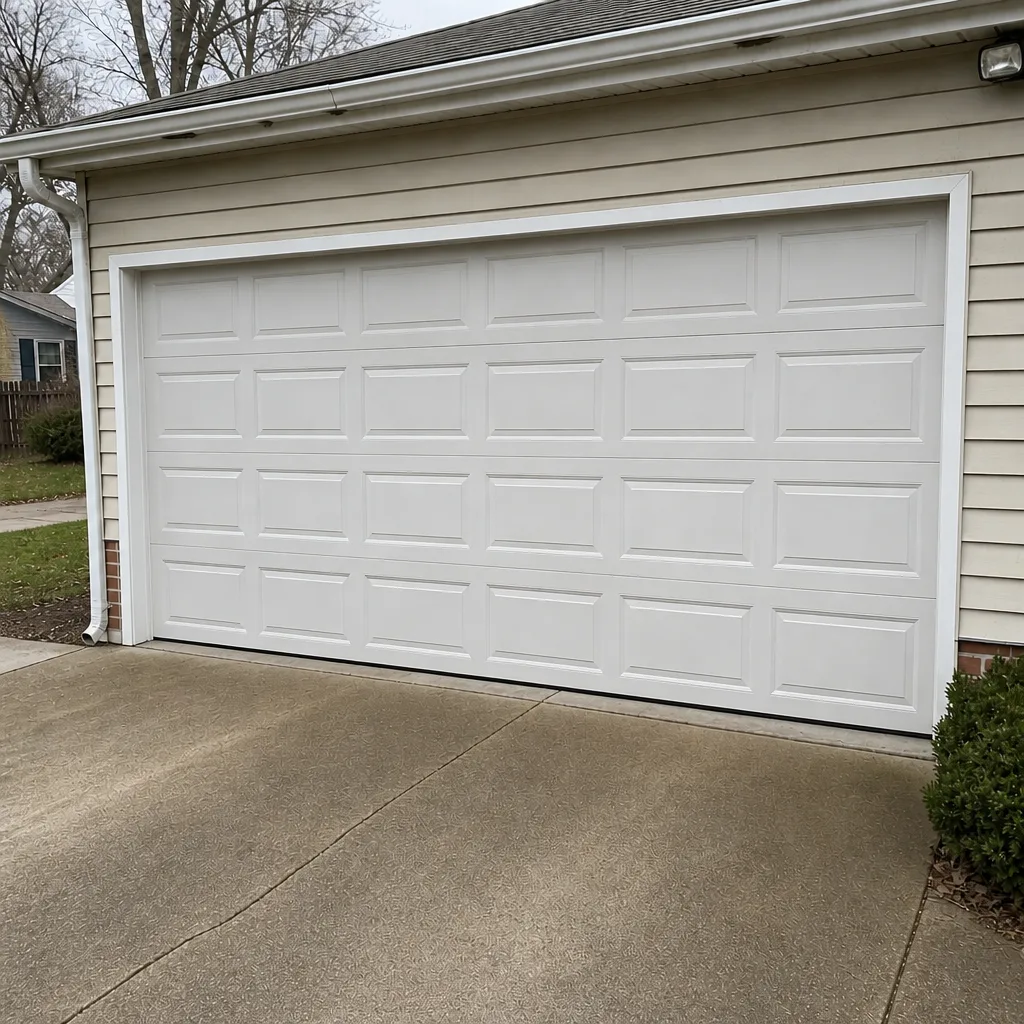 After
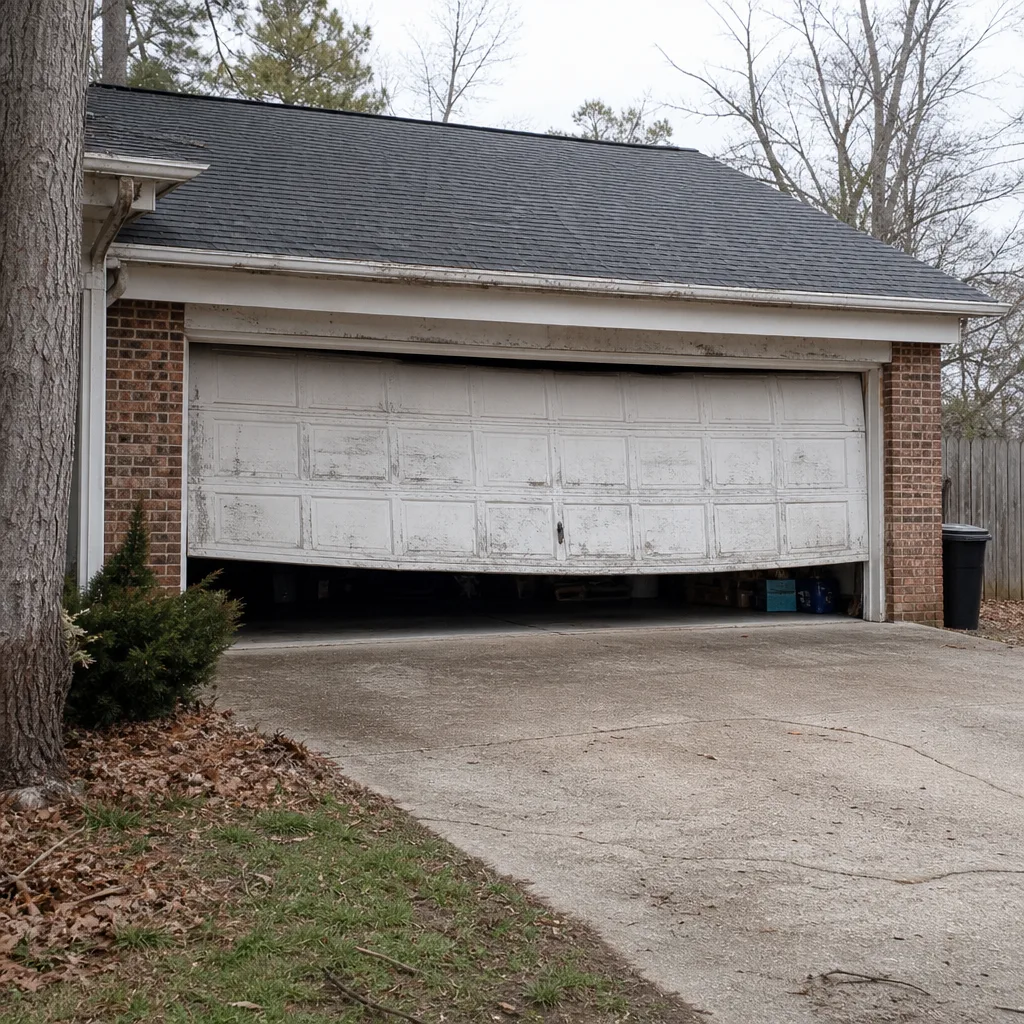 Before
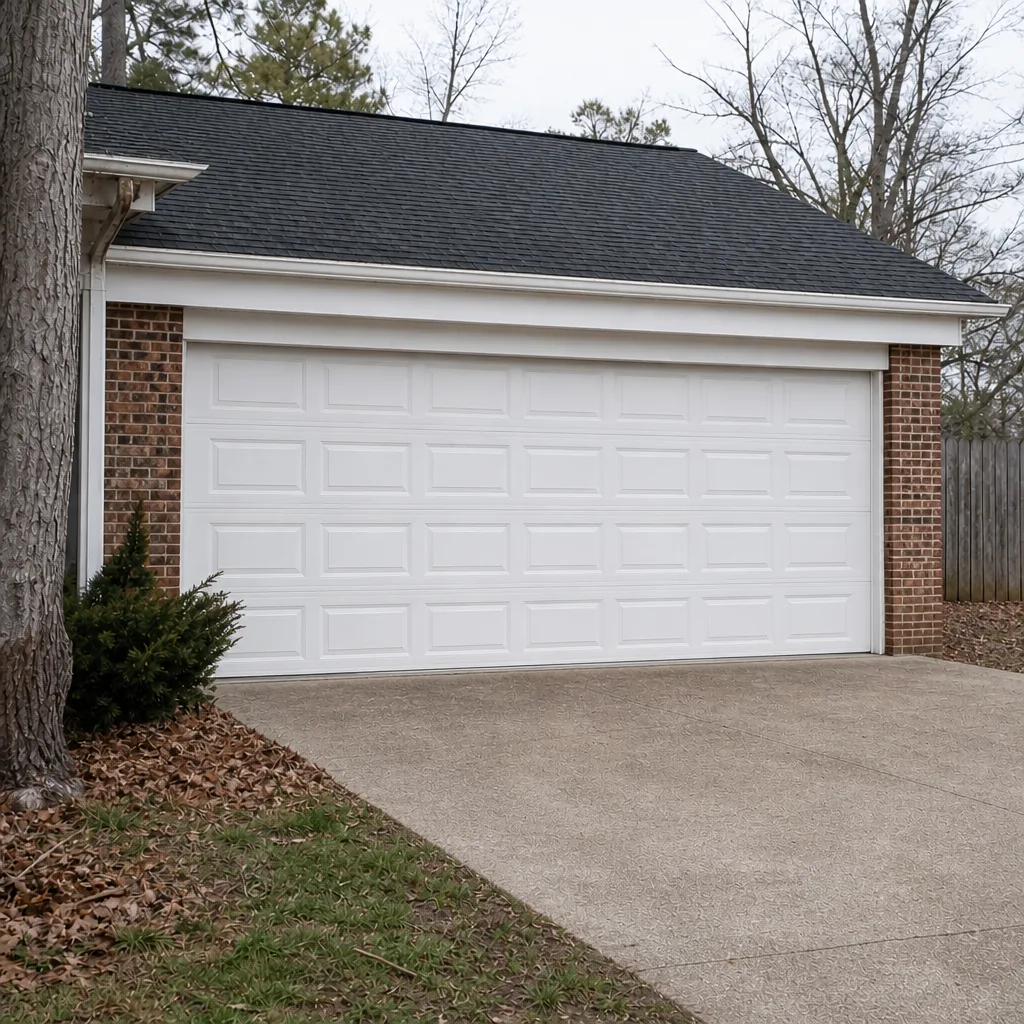 After
When to Call a Professional
Some garage door problems are safe to watch and some aren’t. Call a professional when a spring breaks or the door won’t stay up, when a cable is frayed or hanging loose, when the door comes off its tracks, or when the opener runs but the door doesn’t move. A door stuck open overnight is a security exposure as well as an inconvenience, and it’s the kind of urgent situation we handle. If the door reverses on its own or fails the safety test, don’t use it until it’s checked. Anything involving the high-tension springs or the cables is beyond what a homeowner should attempt, and the risk isn’t worth it. Great Neck Garage Door Repair Pros offers free estimates in Great Neck, and the price is quoted and agreed before any work starts. Call (877) 792-6350 and we’ll help you sort out what your door needs.
Frequently Asked Questions
An insulated steel door is usually the best fit for a Great Neck home because it handles the humidity and temperature swings better than wood composite for most houses. It resists moisture, keeps its shape, and insulates the garage. Wood composite looks traditional but needs more finish upkeep, and fiberglass is lighter but less impact-resistant. Choose based on your HOA’s approved materials and your garage’s exposure, and get the price in writing before you order.
A belt drive is the best fit for most attached garages in Great Neck because it’s the quietest and handles the temperature swings well when it’s matched to the door’s weight. A chain drive is more durable for a detached garage but needs regular lubrication, since the damp stretches thin out the grease. Screw drive sits between the two. Have the opener serviced before winter for the best life.
Many Great Neck HOAs require approval before you replace a garage door, especially for style, color, or window changes. Get your association’s architectural guidelines in writing and confirm which styles and colors are approved before you order. Keep the approval on hand so the installation doesn’t stall.
Springs are rated in cycles rather than years, so a busy household uses them up faster, and the seasonal temperature swings here add strain. There’s no fixed number, but when a door feels heavy, won’t stay up, or makes a loud bang, the spring needs attention right away. Don’t handle it yourself; call a trained technician.
Yes, urgent repair problems like a broken spring, a door stuck open, or an opener that won’t move can often be handled the same day, and our emergency service covers time-sensitive failures. Call (877) 792-6350 and we’ll tell you what’s possible for your door. New doors and full replacements are measured, ordered, and scheduled, so the timing for installation is set by the measure visit and the written price.
No. We quote the price and agree it with you before any work starts, and the written estimate is the price you pay. If the job turns out to need something beyond the original scope, we’ll talk it through with you first, never surprise you with a bigger invoice. Call (877) 792-6350 for a free estimate on your Great Neck garage door.
The Bottom Line
The garage door that works well in Great Neck isn’t the same door that works in a dry inland town. Insulated steel on a belt drive, chosen to match your HOA’s approved styles and sized to your garage, is the safe default for most homes here. Spring work is dangerous and belongs with a trained technician, and the parts, warranty, and part-source questions are where a specialist beats a general contractor. Whatever brand is on your house, from a Clopay to a Craftsman, the right way to start is a free measure, a written price, and an agreed quote before anyone touches the door. That’s how you get back in service without a surprise on the invoice.
If it’s time to sort out your door, call Great Neck Garage Door Repair Pros at (877) 792-6350 for a free estimate. We work on the door you already have, across the major brands, and we’ll give you a clear picture of what it needs and what it will cost before any work begins. One call covers everything your garage door needs.
Written by the team at Great Neck Garage Door Repair Pros.