Last updated November 21, 2026
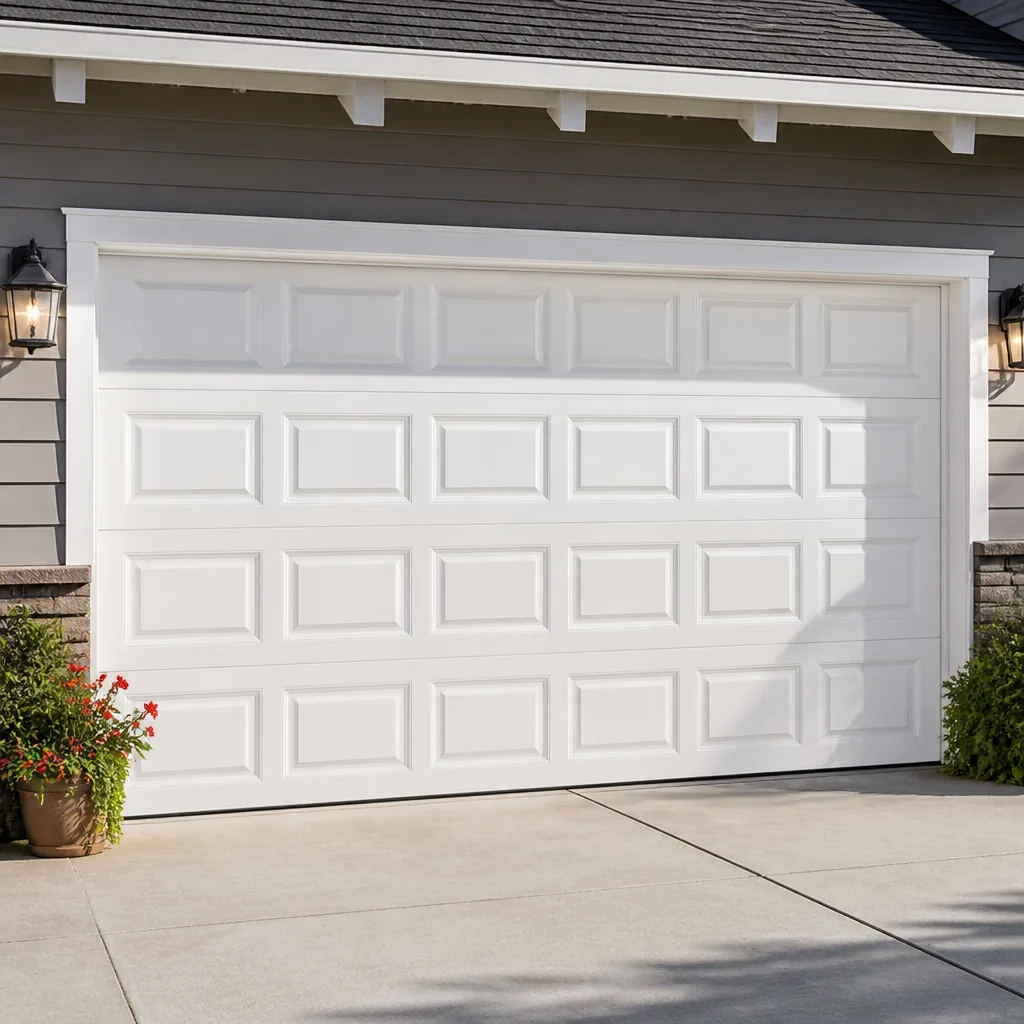 Raised-panel steel
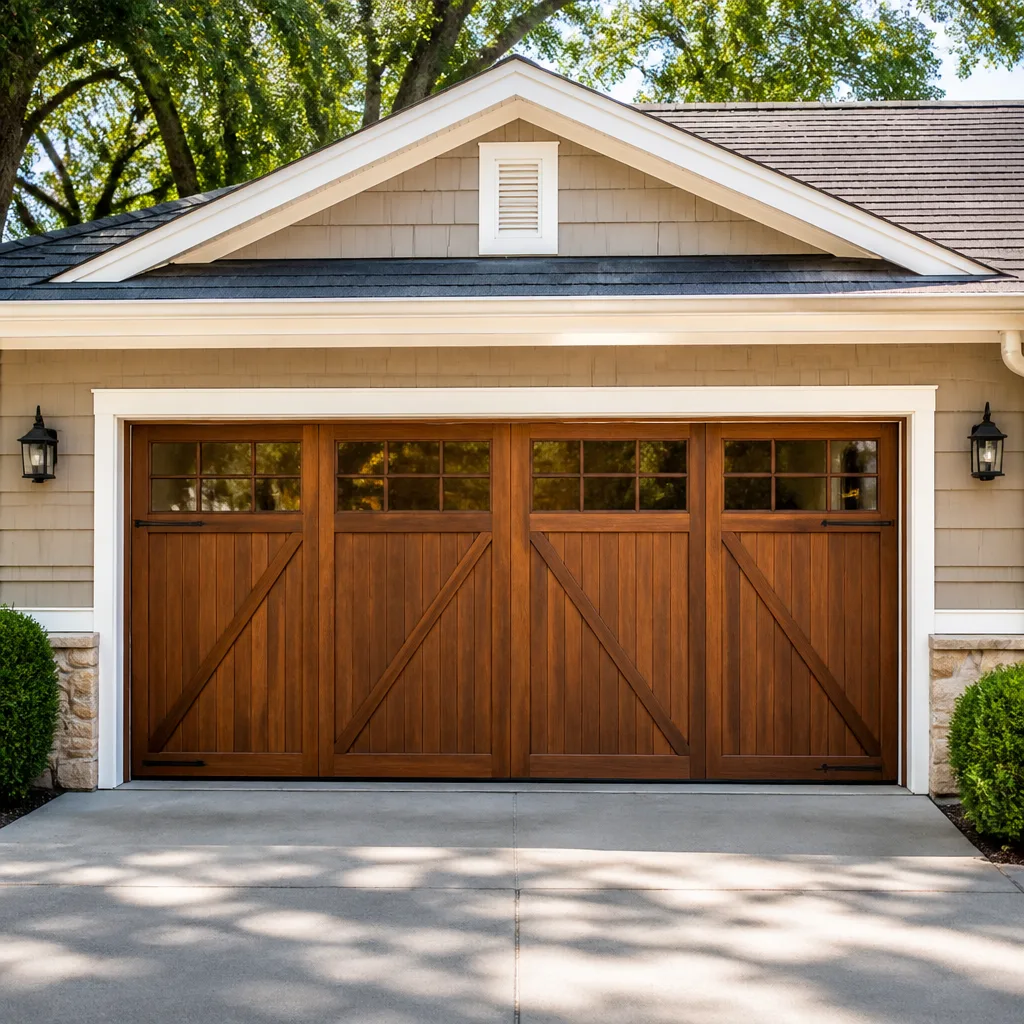 Carriage house
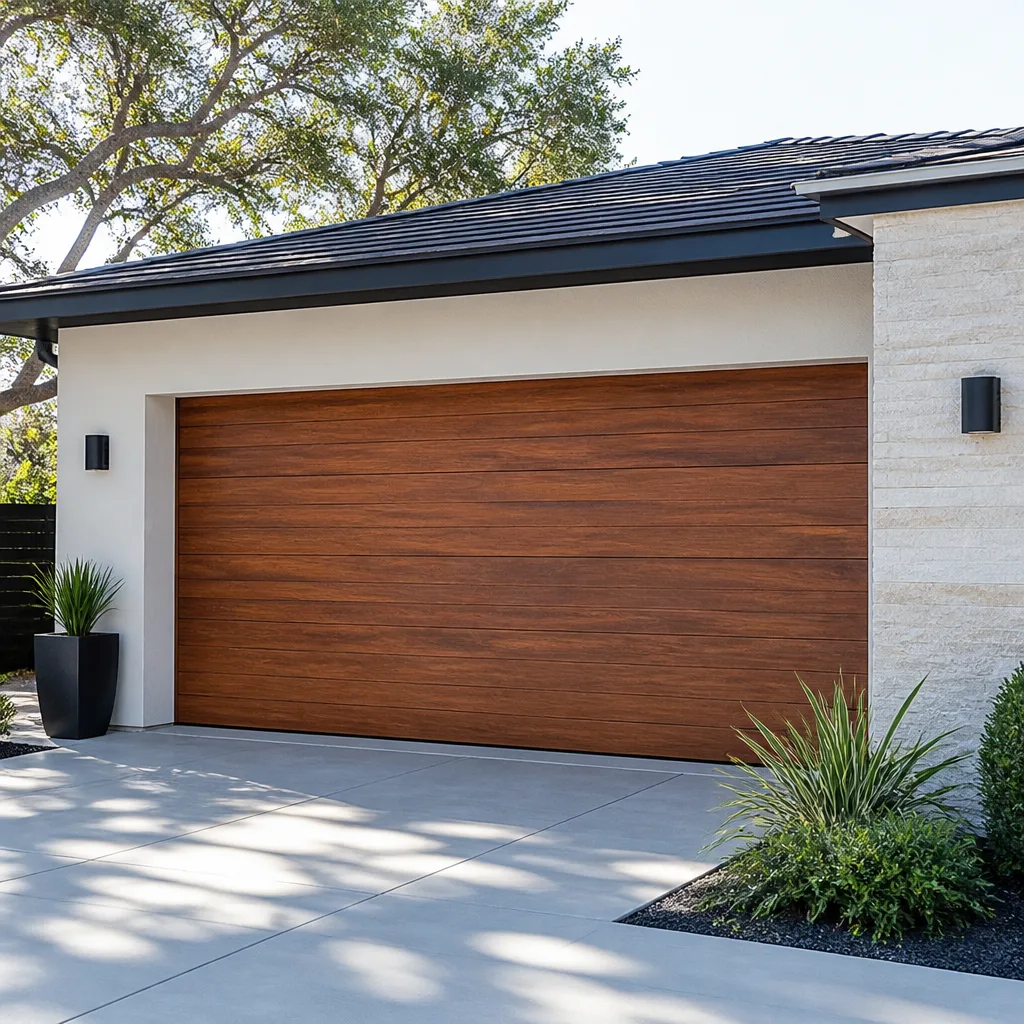 Modern flush
 Full-view glass
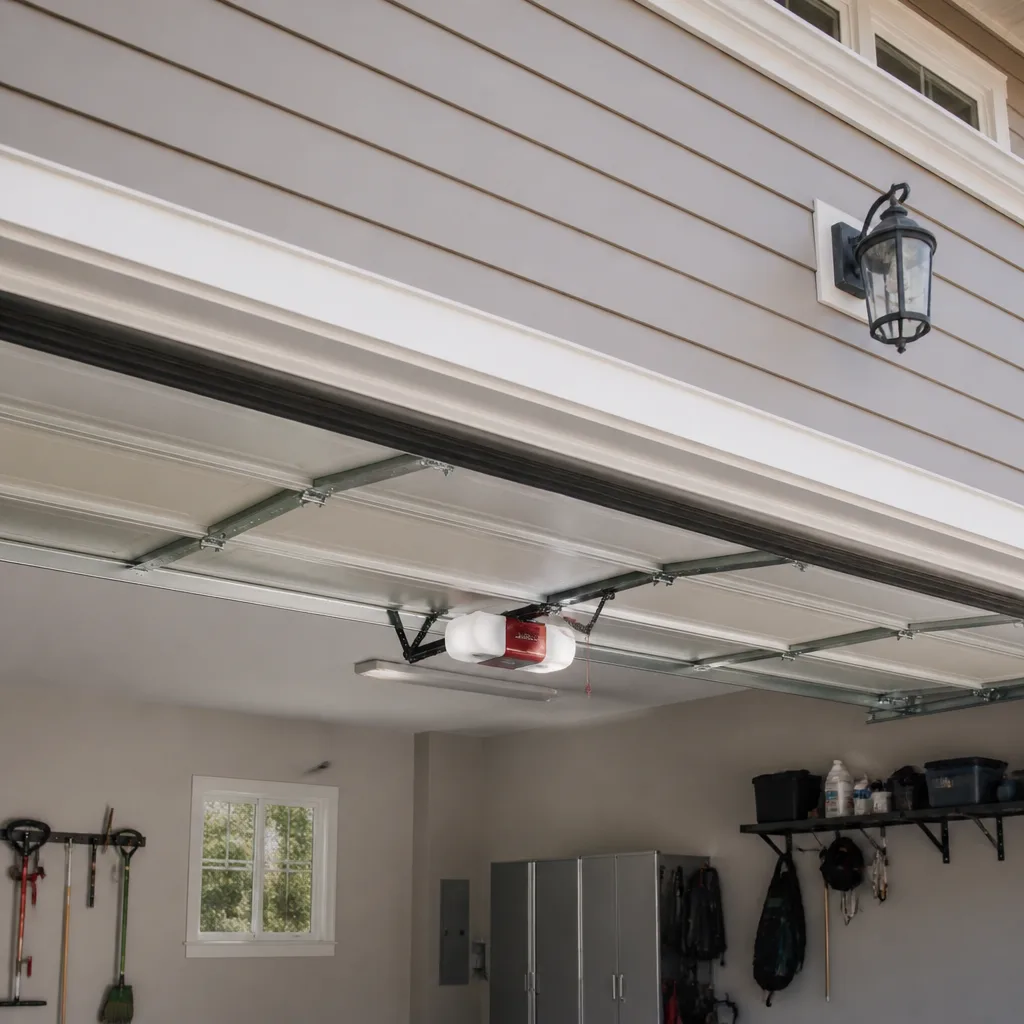 LiftMaster openers
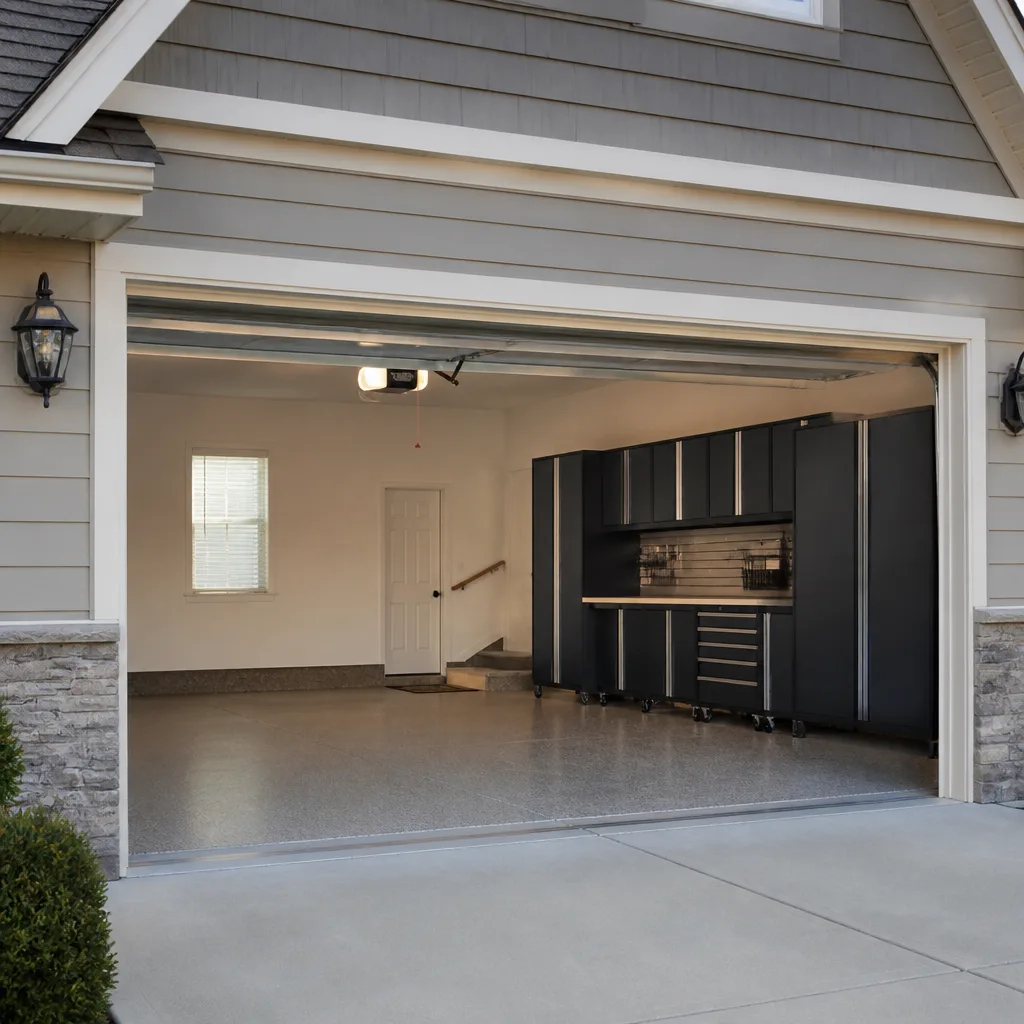 Chamberlain openers
Full 25-point door and opener safety check with every visit - springs, cables, rollers, tracks, and your LiftMaster or Chamberlain opener included
You get a price before we start. It does not change when the pro arrives.
Get your free estimateDIY vs Professional Garage Door: The Great Neck Homeowner’s Decision Guide
Replacing a bottom weatherseal on a garage door is a legitimate DIY job. It takes about 20 minutes, a few dollars in parts, and no special tools. Adjusting a torsion spring on that same door is a completely different matter: high-tension springs and the cables under load can cause serious injury, and a slip can send you to the emergency room. The two tasks live on the same door, but they don’t belong in the same category of risk. Most Great Neck homeowners who ask us whether to DIY or call a pro are really asking which line they’re standing on. This guide draws that line precisely, task by task, so you can stop second-guessing and make a clear decision for your own garage.
Styles & brands we work with
- Raised-panel steel
- Carriage house
- Modern flush
- Full-view glass
- LiftMaster openers
- Chamberlain openers
Quick Answer
Some garage door work is genuinely safe to do yourself: cleaning and lubricating moving parts, replacing a weatherseal, swapping batteries or reprogramming a remote, and tightening exposed fasteners. Almost everything that involves high-tension springs, lift cables, bottom brackets, the door’s structural panel or the opener’s electrical and force settings should be handled by a trained technician. DIY is fine for maintenance and small parts; the moment a task involves a loaded spring or a cable under tension, call in a professional. In Great Neck, VA, our team at Great Neck Garage Door Repair Pros can walk you through which side of that line your job falls on.
Table of Contents
- The DIY Mindset Trap: Skill Isn’t the Only Variable
- What You Can Genuinely DIY (and Save Money On)
- The Components That Are Off-Limits to DIY
- The Opener Install: Where DIY Hits a Warranty Wall
- Homeowner’s Insurance and Self-Performed Work
- The Real Cost Comparison: Savings vs. the Price of a Mistake
- When Calling a Pro Is Actually Faster
- How Great Neck’s Climate and Housing Shape the Decision
- Common Mistakes to Avoid
- When to Call a Professional
- Frequently Asked Questions
- The Bottom Line
The DIY Mindset Trap: Skill Isn’t the Only Variable
The garage door is the piece of hardware most homeowners touch more than any other, and it looks deceptively simple. A panel slides up and down along tracks. You can see most of the working parts. That visible simplicity creates a dangerous assumption: if I can see it, I can fix it. What the eye doesn’t register is the tension. A torsion spring on a standard door holds enough stored force to do real damage in a fraction of a second, and that force doesn’t announce itself. The spring looks like a coiled bar. Underneath, it’s a loaded system.
That’s why the real question isn’t “how handy am I?” It’s “which tasks have acceptable DIY risk, and which ones have a downside I’m not willing to accept?” We’ve seen homeowners in Great Neck fix a sagging weatherstrip and feel confident, then assume the same confidence transfers to a spring adjustment. It doesn’t. The skills are different, the consequences are different, and in some cases the warranty and insurance treatment are different too.
There’s a second hidden variable: which equipment is actually on your door. A door is a system made up of specific brand parts, and how it’s adjusted depends on the opener and hardware. A LiftMaster, Chamberlain, Genie, Clopay, Amarr, Wayne Dalton, Craftsman, or Raynor opener or door system has its own force settings, travel limits and spring configuration. Great Neck Garage Door Repair Pros works with those eight brands specifically, so when a homeowner calls, the technician isn’t guessing at the hardware. That’s exactly the kind of guesswork that turns a routine repair into a weekend project that ends with a stuck door.
The point of this guide isn’t to convince you to never touch your door. We’ll tell you clearly which jobs are fine to DIY. But if you’re going to draw one line in your time as a Great Neck homeowner, let it be around the high-tension parts.
What You Can Genuinely DIY (and Save Money On)
A meaningful amount of garage door upkeep is safe, fast, and worth doing yourself. These are the jobs that don’t involve stored tension, electrical settings, or the door’s structural load, and doing them keeps small problems from becoming repairs. Here’s the accepted list of DIY-safe task categories:
- Cleaning and lubrication. Wipe down tracks, apply a proper garage door lubricant to hinges and rollers, and clear the photo-eye lenses on the opener.
- Weatherseal replacement. The bottom seal and side seals wear out and can be pulled out and replaced with basic hand tools. This is a highly satisfiable DIY task.
- Remote and keypad basics. Replacing remote batteries, reprogramming a remote to the opener, and resetting a keypad code.
- Tightening exposed fasteners. Checking and gently tightening bracket and hinge bolts that are visibly loose and safe to reach.
- Visual inspections. Looking for worn rollers, loose hardware, frayed cable ends (looking, not touching), and debris in the tracks.
- Clearing obstructions. Removing debris from the track or the doorway footprint when the door is fully open and stopped.
A recurring lubrication routine is the single best DIY habit you can build. In our experience, a well-lubricated door runs quieter, wears more slowly, and gives you a chance to notice problems early. Keep the track itself clean but avoid greasing the track’s travel surface on most standard doors, and never apply grease where it will attract grit.
Even in this safe zone, one rule holds: if the task requires the door to be propped, supported, or moved by force, it’s no longer in this category. Weatherseal work is done with the door closed and still. The moment you’re asking “how do I hold this up while I reach under it?” you’ve crossed out of DIY.
The Components That Are Off-Limits to DIY
This is the part of the guide that matters most, and the part we’d want every homeowner in Great Neck to read carefully. These components are dangerous because they hold stored energy even when the door looks dead. A torsion spring, tested to lift a door weighing well over a hundred pounds, still carries or releases force without warning. A lift cable under tension can snap back like a whip. A bottom bracket holds that cable in place and can become a projectile if it fails while being handled.
Do not attempt DIY work on any of the following:
- Torsion springs. Mounted above the door on a shaft, these store energy by twisting. Adjusting or replacing them requires specific tools, a winding procedure, and an understanding of how much tension is in the system. This is the single most common source of serious DIY garage door injury.
- Extension springs. These run along the sides and stretch under load. They require safety cables and careful load management; working on them without training can cause them to fail violently.
- Lift cables. The cables run from the bottom corners up over the drums. Once a cable is wrapped, unwrapped, or replaced, the door must be re-tensioned and balanced correctly. A cable that slips free of the drum can drop the door.
- Bottom brackets and cable drums. These hold and guide the cables. They look like simple metal corners. They’re not. Failure under load can be severe.
- Anything requiring the door to be held open under spring tension. If the task needs the door propped up while you work beneath it, it’s a pro job.
- High-voltage or opener electrical adjustments. With a few exceptions covered below, the opener’s force settings, travel limits, and motor wiring should be handled by a trained technician using the brand’s own setup procedure.
Springs and cables are safety-critical. Replacing or adjusting them is not a matter of being careful; it’s a matter of being trained. Garage door spring repair is a specialized service, and we treat it as such because the injury risk is real and the balancing afterward affects how the door runs forever.
There’s also a legal wrinkle specific to Great Neck. If you ever sell your home, a door that was left unbalanced by a DIY spring or cable job becomes a disclosure issue, and if a later occupant is hurt, the trail can lead straight back to the work. Do the safe DIY tasks. Leave the high-tension work to a trained technician with the correct equipment.
The Opener Install: Where DIY Hits a Warranty Wall
Opener installation is where homeowners most often overestimate themselves. The video looks straightforward, the box comes with everything, and the result seems like a straightforward swap. But opener replacement is not simply unbolting one unit and bolting another. The opener must be matched to the door’s weight and travel, the force settings and travel limits must be set using that brand’s specific procedure, and the safety reversal must be tested. A system that runs at the wrong force setting can work fine for months and then bind, strip a gear, or damage the door.
Because you’re reading this in Great Neck, VA, the warranty question matters. Manufacturers typically exclude or limit coverage for defects traced to improper installation or field adjustments made outside published procedures. If you install your new Amarr, Wayne Dalton, Craftsman, or Raynor opener yourself and a motor or logic board fails, you may find the warranty denied. Many manufacturers also require installation by an authorized or certified technician for warranty coverage on certain models. That’s a significant consideration when a new opener is a several-hundred-dollar investment.
Modern openers add another layer. A Wi-Fi-enabled opener or a smart-home-compatible unit requires correct pairing with the module, an app-linked account, and a setup that has to match the door’s actual travel and force setting. Legacy remotes and travel limits are equally brand-specific. We handle opener diagnostics and installation across all eight major brands, which means the technician arrives knowing the exact unit on your ceiling rather than reading its manual for the first time. That’s a real difference when the goal is overnight.
A new opener isn’t an emergency in most cases, so it is a task worth measuring and scheduling rather than rushing. A professional can also tell you whether the opener is the actual problem or whether the door’s balance and hardware are causing the failure. A DIY replacement that swaps out a working opener on an unbalanced door solves nothing.
Homeowner’s Insurance and Self-Performed Work
Most homeowners never read the self-performed work section of their insurance policy, and that’s understandable. But if a DIY garage door job leads to a door failure, a car struck in the driveway, or a structural issue, the fine print matters. Standard homeowner’s policies generally don’t cover damage caused by work the homeowner performed improperly. A few general points worth knowing:
- Understand what’s covered. Most policies cover sudden damage, not workmanship. If your own improper repair causes damage, coverage is often excluded.
- Keep documentation. If a professional technician handles a repair, keep the invoice. It’s the difference between “I had it done” and “I did it and it failed” if a later claim arises.
- Read before you lift. Call your insurance agent and ask how self-performed garage door work is treated in your policy. That’s a general question with a specific answer, and it takes ten minutes.
- Warranty overlaps insurance. A manufacturer warranty denial and an insurance exclusion often compound each other on the same failed part.
For property managers responsible for multiple Great Neck homes, this matters even more. The person who schedules a certified technician and keeps the invoice has a cleaner risk record than the person who attempts it in the driveway. If you want a straightforward path, we offer garage door opener repair and can advise on whether the work is something your policy or warranty is likely to cover.
The Real Cost Comparison: Savings vs. the Price of a Mistake
On DIY-safe tasks, the savings are real and easy to estimate. On high-tension work, the math changes. What you save on labor is small next to what a failure can cost: an emergency call, a damaged door, a vehicle repair, or an urgent-care visit. The table below shows the logic without pretending we can price a mistake exactly. All figures are approximate and depend on the specific door and hardware.
| Task | DIY-Safe? | What DIY Saves / Costs |
|---|---|---|
| Lubrication and cleaning | Yes | Saves a routine service visit |
| Bottom weatherseal replacement | Yes | Parts at most; the repair is simple |
| Remote battery / reprogramming | Yes | Trivial parts cost |
| Out-of-balance door adjustment | No | Risky; often needs professional re-balancing either way |
| Torsion spring replacement | No | High injury risk; done wrong, the door may be unusable |
| Lift cable or drum work | No | Failing under load can drop the door; door damage follows |
| New opener installation | No | Warranty exposure plus setup risk |
Notice the pattern: the DIY savings are concentrated in small repairs and maintenance, and the potential mistake cost is concentrated in the high-tension parts. Spend your DIY effort where it pays. When the job hits a spring or cable, the right call is garage door repair by a trained technician. That’s the moment the “savings” disappear and the risk meter turns red.
When Calling a Pro Is Actually Faster
Here’s a truth about DIY troubleshooting that doesn’t get said enough: some jobs are faster with a professional, even if you technically could do them yourself. The time cost of diagnosis is the reason. A door that won’t close has several possible causes, and a homeowner with a YouTube video may test the wrong ones, order a part, install it, and still have the same symptom. A trained technician tests the likely causes in order, uses the same brand-specific parts, and diagnoses them correctly the first time. Back in service today, not next weekend.
What tends to eat time in a DIY troubleshooting attempt:
- Chasing the wrong symptom. A door that reverses unexpectedly may be a photo-eye alignment or a force setting, not a damaged part. Replacing parts before confirming the diagnosis costs hours.
- Waiting on parts. The wrong part ordered online, then returned, then the right one reordered, can take a week. Our technicians have up to 15 years of experience and carry the specific parts that fit your brand’s hardware.
- Repeating the same adjustment. Travel limits and force settings are easy to adjust and hard to adjust correctly. A repeated adjustment can damage the opener’s gears.
- Reopening the door for follow-up problems. A one-time DIY fix that leaves the door slightly unbalanced can come back months later.
Emergency situations make the time gap wider. A door stuck open on a Great Neck street is a security exposure, and a door stuck down keeps a car trapped. Those cases aren’t about DIY risk at all; they’re about getting the door moving before the rest of the day falls apart. That’s why emergency garage door service exists.
How Great Neck’s Climate and Housing Shape the Decision
Decisions about DIY vs professional work in Great Neck aren’t purely technical; where you live plays a role. Great Neck, VA sits in a region with warm, humid summers and cold winters, and the housing stock reflects it: attached garages on suburban homes, openers in garages exposed to seasonal temperature swings, and doors that see plenty of freeze-and-thaw cycles in winter. Humidity expands and contracts wood and metal, works its way into seals, and slowly degrades moving parts. That’s exactly why lubrication and weatherseal checks are such worthwhile DIY tasks here: they’re the maintenance that keeps the rest of the door from failing.
The climate also makes certain symptoms ambiguous. A door that binds in January may be stiffened seals and cold shrinkage, not a broken part. A door that grinds in July may be an opener that’s struggling with a heavier, humid door. Those are the situations where a trained diagnosis beats a guess. Great Neck homeowners who inspect their doors in spring and fall, before the seasonal swings, get ahead of most repairs.
Our advice for Great Neck homes is simple: build the DIY routine around the season. Clean and lubricate before the weather turns, replace weatherseals when they crack, and check the balance of the door by hand. When those checks reveal a problem with a spring or cable, stop and call. The garage door installation path matters too, since a new door replacement is worth scheduling with a professional measure rather than rushing a DIY job.
Common Mistakes to Avoid
- Treating the spring as a weekend job. The torsion spring is not a beginner project. Attempting it because a video made it look simple is the single mistake we’d most like Great Neck homeowners to avoid.
- Greasing the tracks. Your door’s travel surface shouldn’t be slippery; lubricant belongs on hinges, rollers, and the spring, not the track itself. Grease where it doesn’t belong collects grit and accelerates wear.
- Ignoring the balance test. A door that won’t stay half-open when you lift it is out of balance, which strains the opener. That’s a professional re-balancing job, not a force-setting tweak.
- Adjusting an opener’s force setting to compensate. Turning up the force to get a stiff door moving masks the real problem and speeds up gear and motor wear. Have the door and opener checked instead.
- Buying parts for the wrong brand. A Wayne Dalton, Amarr, Craftsman, or Raynor door has its own hardware. A generic part from the internet may fit poorly or not at all. Match the brand before you order.
- Reaching for a DIY spring on the internet. Purchase-only springs without a trained installer send a lot of homeowners looking for help afterward. Spring replacement is a service, not a part swap.
- Putting off a binding door in Great Neck’s changing seasons. A stiff door in one season can be an urgent one in the next. Schedule a check before the problem becomes an emergency.
When to Call a Professional
Call a professional when: the door is off its track, a spring has broken (visible gap, door feels heavy, or a bang was heard), a cable is slack or unraveled, the door is out of balance, the opener reverses or stops at the wrong point, or the door won’t open or close at all. Those are the situations where DIY risk outweighs the savings. In Great Neck, emergency garage door service covers doors that are stuck open, stuck down, or posing a security exposure, so the door gets handled the same day. If you’re replacing a door or an opener, the right first step is a free measure and a written price rather than a same-day promise, because that work is measured and scheduled.
We work with the exact brands already on Great Neck homes, including Amarr, Wayne Dalton, Craftsman, and Raynor equipment, which means the technician arrives familiar with your hardware. Great Neck Garage Door Repair Pros offers free estimates in Great Neck. Call (877) 792-6350 to book one.
Frequently Asked Questions
No. Torsion and extension springs hold stored force that can cause serious injury if handled without training, and the door must be re-balanced afterward. This is the one task we always recommend leaving to a trained technician. Call (877) 792-6350 for a free estimate if a spring has broken.
There’s no single price; it depends on the specific job and parts, and we quote each job after we see it. The written estimate we provide is what you pay, agreed before any work starts. Call (877) 792-6350 for an exact quote, and estimates are free.
No. We quote and agree on the price with you before any work begins, and the written estimate sets the final price. If we find something different mid-job, we’ll discuss it with you first. Call (877) 792-6350 for a free estimate.
Yes. The vetted local professionals we connect you with are licensed and insured as the state requires. Our technicians have up to 15 years of experience, and we handle opener and spring systems across the major brands. Call (877) 792-6350 to schedule.
Often, yes. Improper installation or setup performed outside the manufacturer’s procedure can limit or exclude warranty coverage on the opener. Have the installation done correctly by a technician familiar with the brand. Call (877) 792-6350 to talk through your opener.
This is the kind of urgent failure our emergency garage door service exists for, and we handle it as a priority because a door stuck open is a security exposure. Call (877) 792-6350 and we’ll do everything we can to get you back in service today.
The Bottom Line
The DIY-vs-professional question for garage doors isn’t about how handy you are. It’s about which tasks have acceptable risk. Cleaning, lubricating, replacing weatherseals, and basic remote work are safe, worthwhile, and save money. Torsion springs, cables, bottom brackets, and opener setup are not DIY work: they carry injury risk, warranty exposure, and possible insurance consequences, and they’re worth every bit of professional cost. In Great Neck, where humidity and seasonal swings keep the door working hard, the smart approach is to DIY the maintenance and call for the high-tension parts. One call covers everything your door needs, and you’ll get a clear, written price before any work starts. Call us at (877) 792-6350 for a free estimate from the team at Great Neck Garage Door Repair Pros.
Written by the team at Great Neck Garage Door Repair Pros.
See the difference
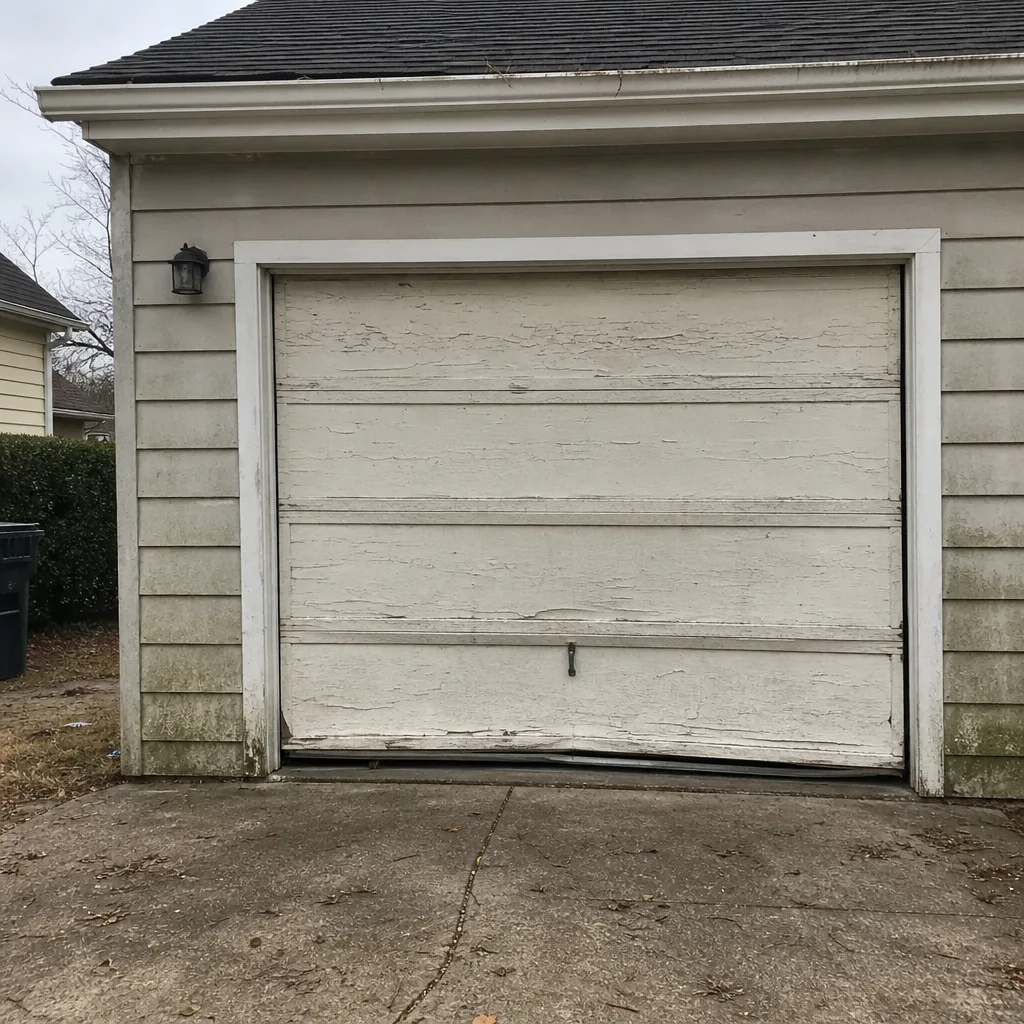 Before
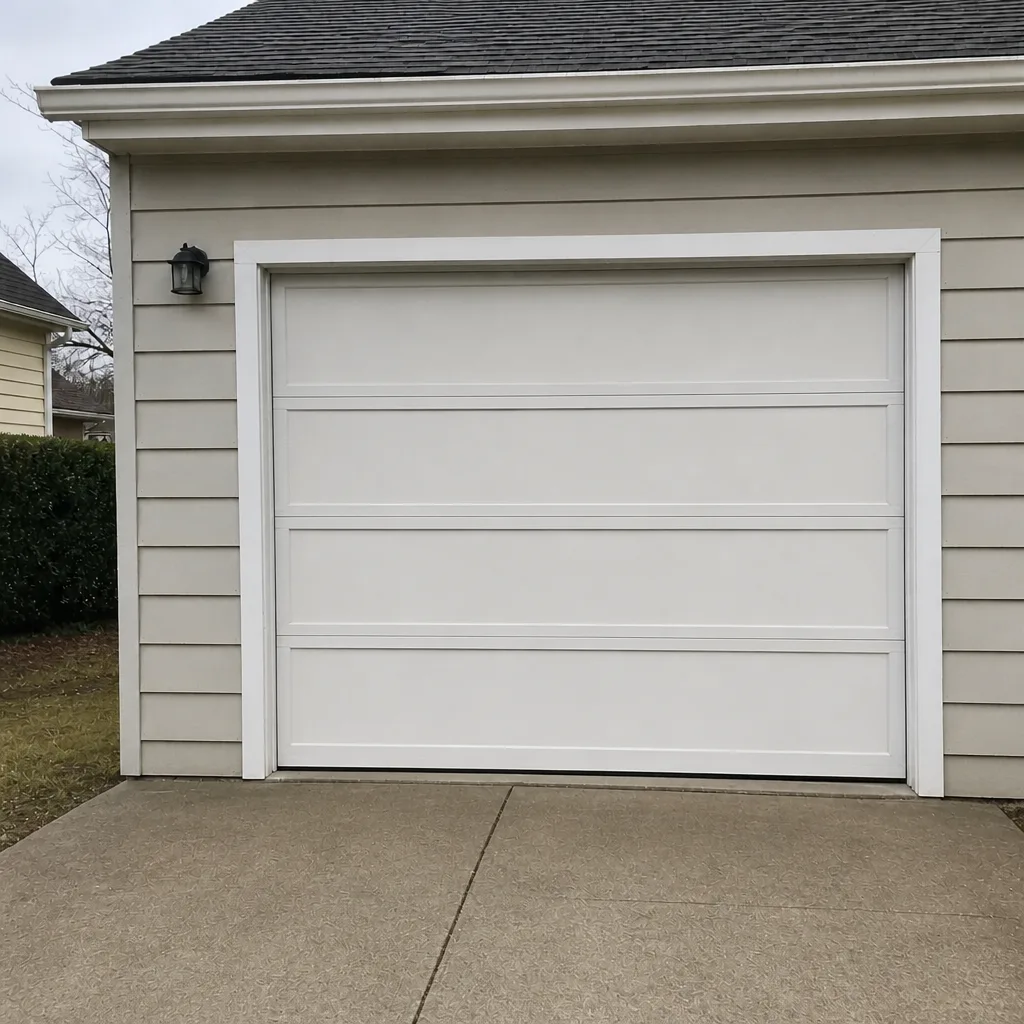 After
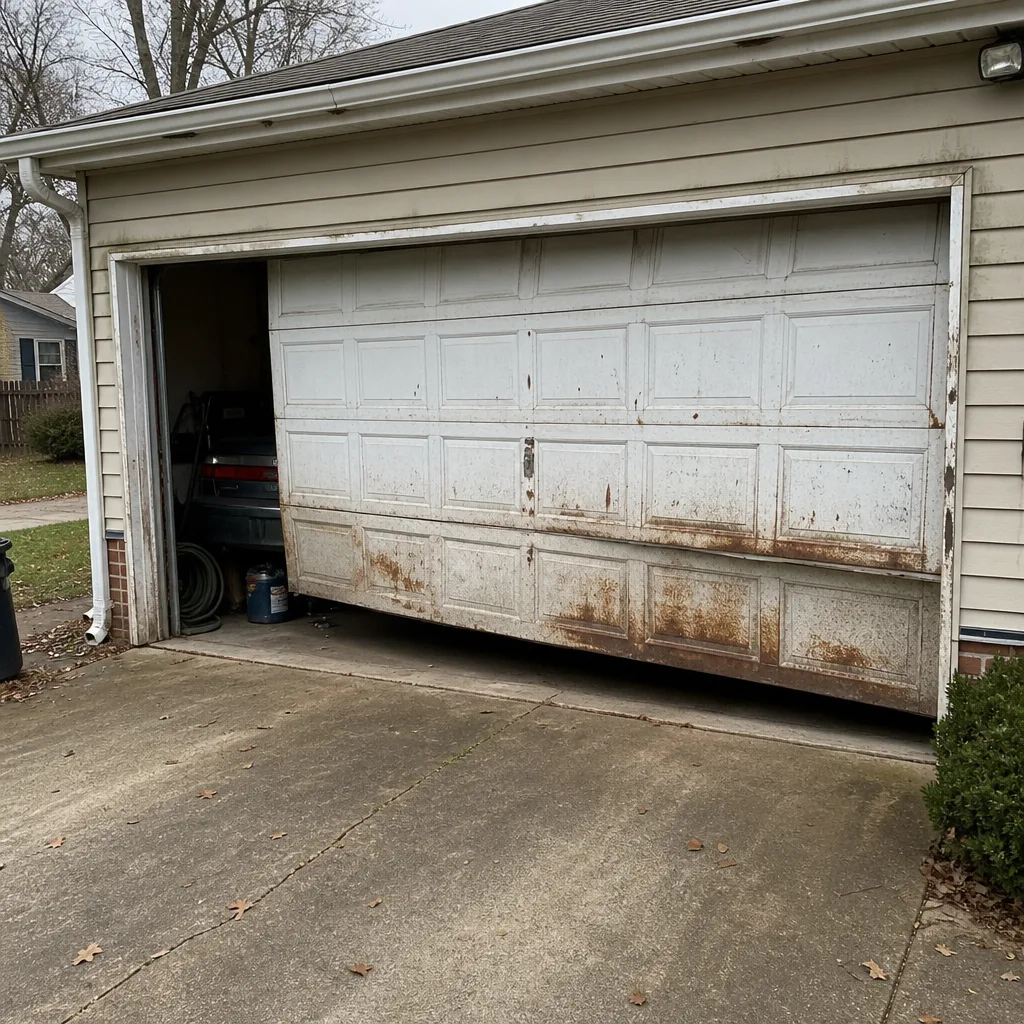 Before
 After
 Before
 After