Last updated November 21, 2026
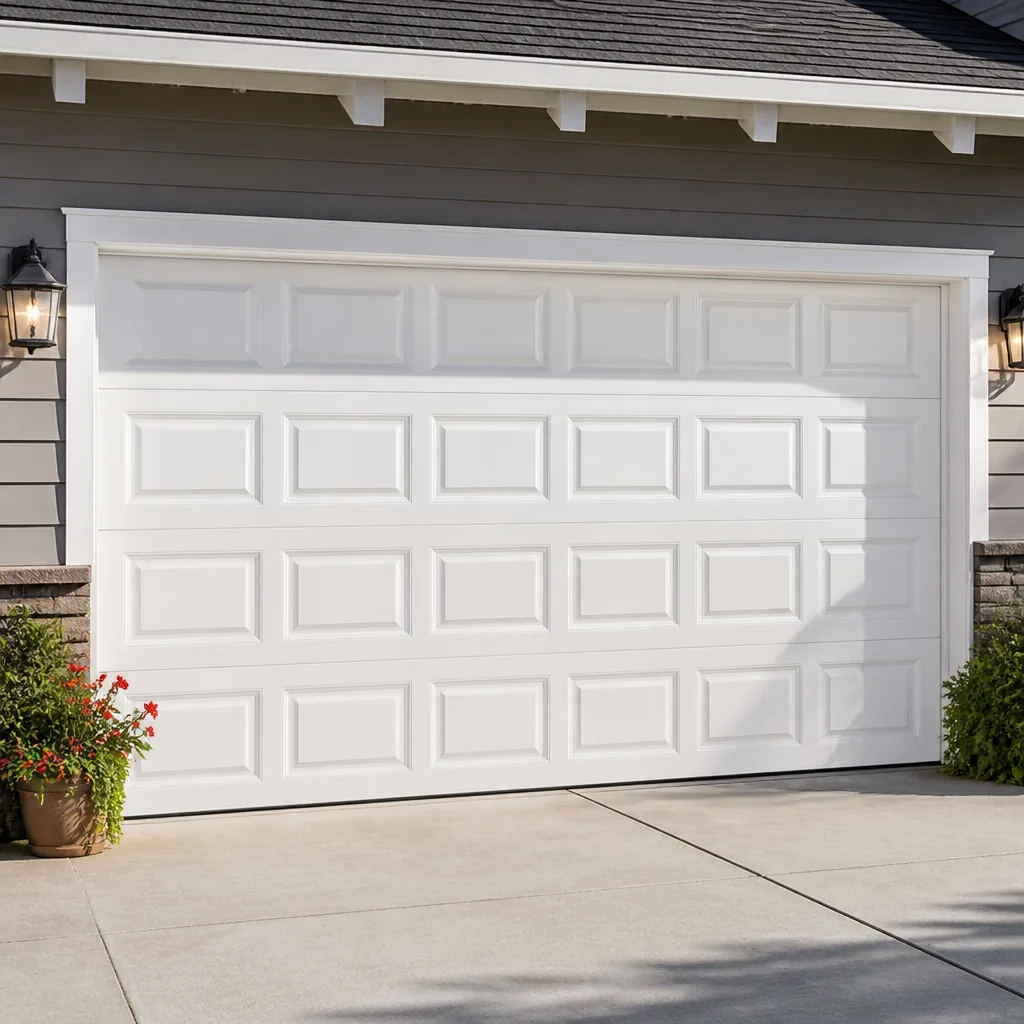 Raised-panel steel
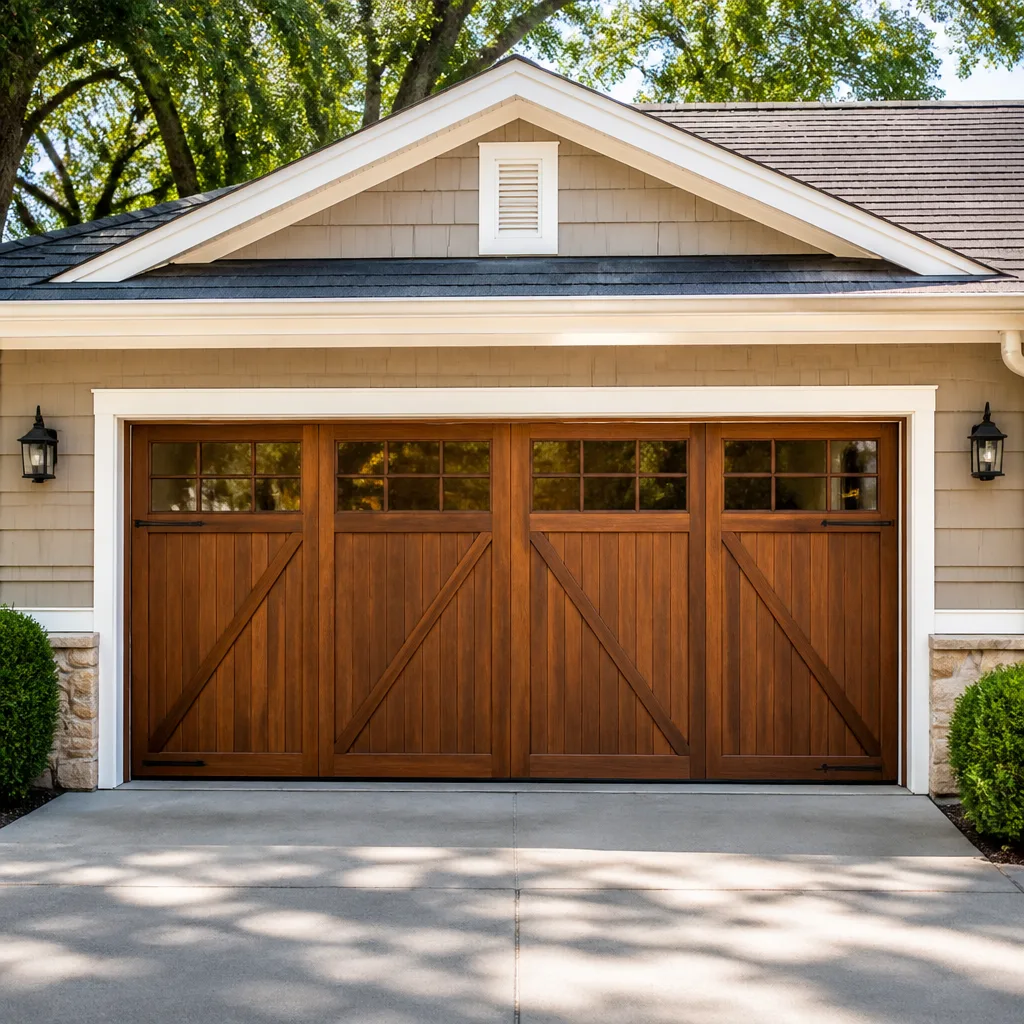 Carriage house
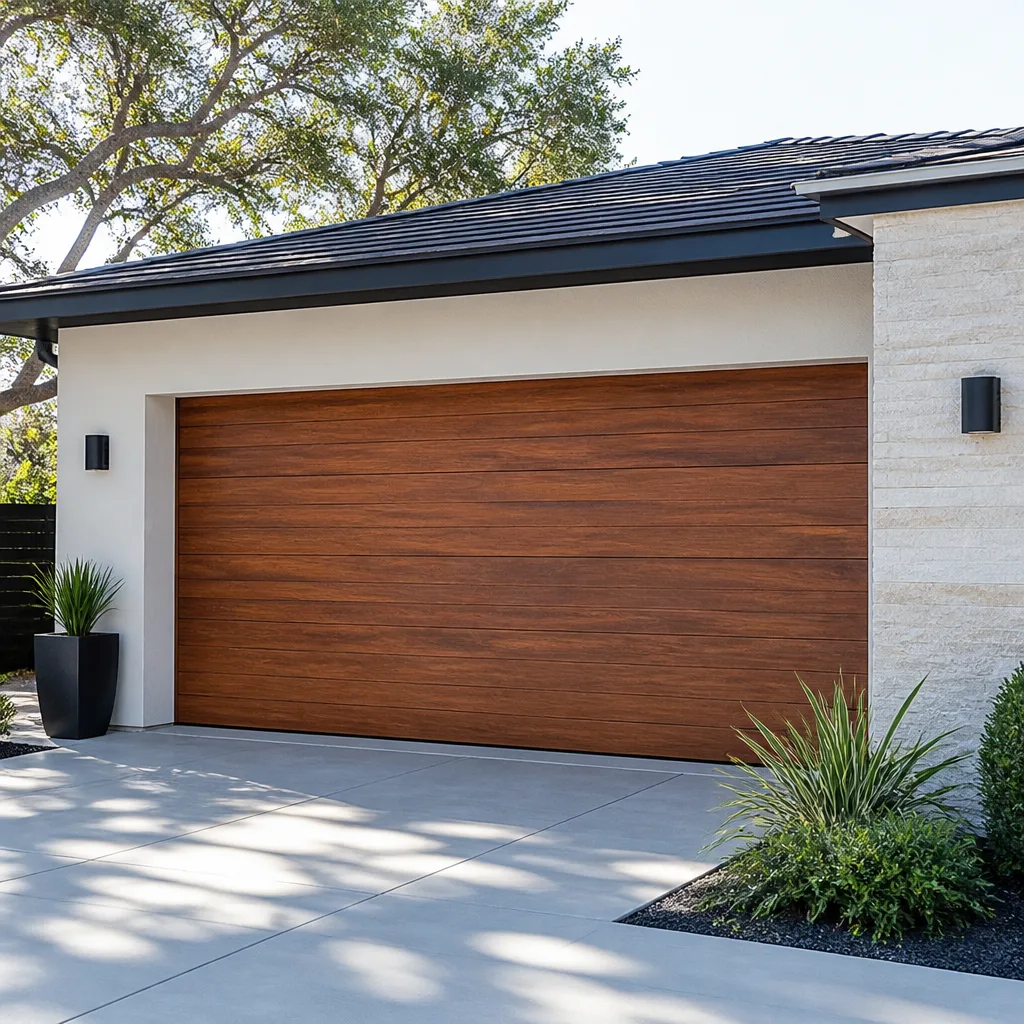 Modern flush
 Full-view glass
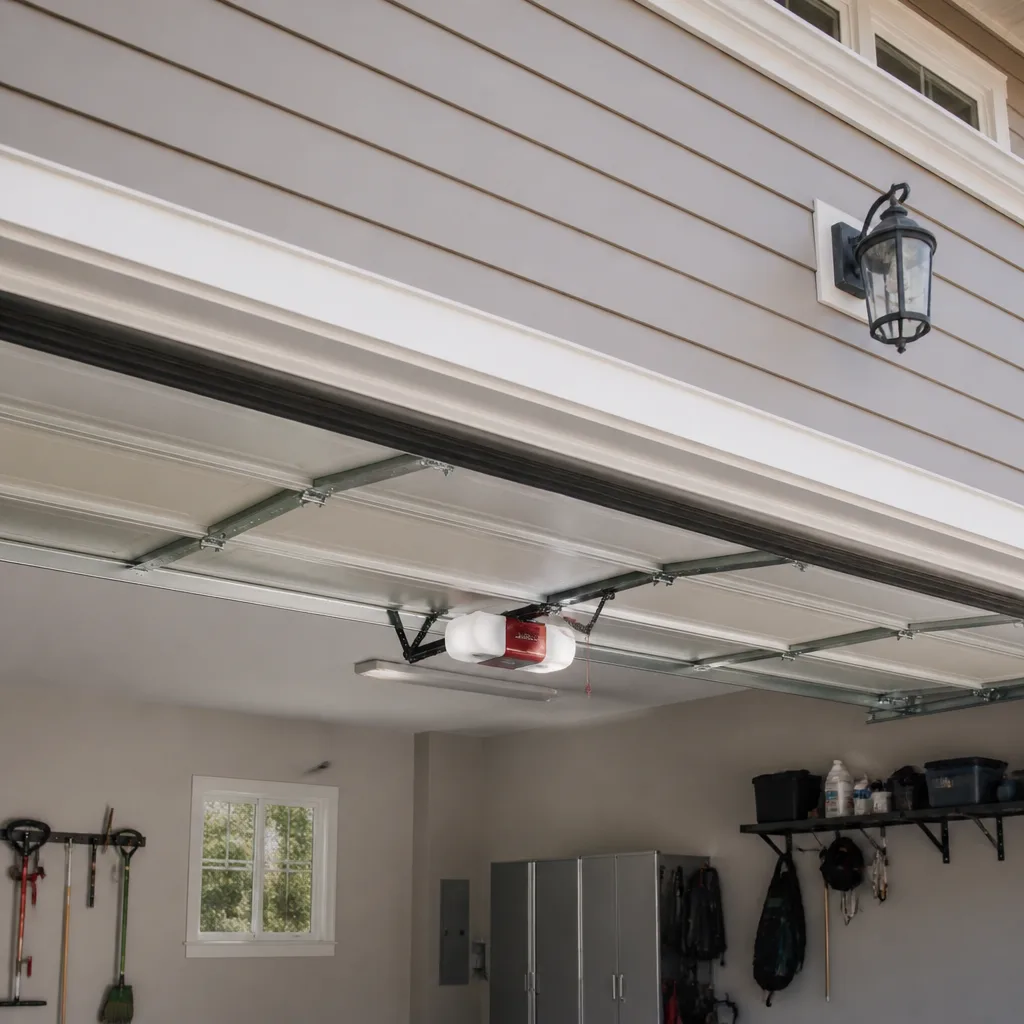 LiftMaster openers
 Chamberlain openers
Full 25-point door and opener safety check with every visit - springs, cables, rollers, tracks, and your LiftMaster or Chamberlain opener included
You get a price before we start. It does not change when the pro arrives.
Get your free estimateGarage Door Repair Maintenance Checklist for Great Neck Homeowners
Nine out of ten broken springs we’re called out to replace showed at least two warning signs on the hardware that the homeowner walked past every single day for months. That’s the part most maintenance advice skips. “Lubricate moving parts” tells you nothing about what to look for, and a checklist you can’t actually execute is just a to-do list you ignore. This guide fixes that. It’s sequenced the way a technician walks up to a door and works through it, spring to track, with the specific tolerances, sounds, and visual cues that separate normal wear from a failure waiting to happen. By the end you’ll know how to read your own door in Great Neck, what to check in spring versus summer, and which two skipped tasks quietly destroy openers.
Quick Answer
A garage door maintenance checklist for Great Neck homeowners comes down to inspecting in the order a technician does: springs first, then cables, rollers, and tracks, followed by a balance test and an opener force check. Do a light inspection every season, lubricate rollers and hinges twice a year with a product that tolerates Virginia humidity, and watch for stretch or gap changes in the springs, which are the single most common failure point. Spring, cable, and high-tension work is always a job for a trained technician. Everything else on this list is safe to check yourself.
Styles & brands we work with
- Raised-panel steel
- Carriage house
- Modern flush
- Full-view glass
- LiftMaster openers
- Chamberlain openers
Table of Contents
- The Technician’s Inspection Order (Do It in This Sequence)
- Step 1: Springs – What “Bad” Actually Looks Like
- Step 2: Cables and Step 3: Rollers – Reading the Wear
- Step 4: Tracks – Alignment and the Sounds That Matter
- The Two-Minute Balance Test and What a Fail Really Means
- Lubrication That Holds Up in Virginia Heat and Cold
- The Two Tasks Great Neck Homeowners Skip That Kill Openers
- Seasonal Cadence: Spring Freeze-Thaw vs. Summer Humidity
The Technician’s Inspection Order (Do It in This Sequence)
The order matters because each component tells you something about the next one. A technician doesn’t inspect alphabetically, and you shouldn’t either. Here’s the sequence we work through on every door in Great Neck, and why it’s built that way:
- Springs. Always first. They hold the door’s weight and they fail hardest. If the springs are tired, everything downstream looks worse than it is.
- Cables. Second, because a spring problem stresses the cables, and a fraying cable can whip loose if the spring lets go.
- Rollers. Third. Worn rollers add drag to a door that the springs are already fighting.
- Tracks. Fourth. Only after the moving parts are clear can you judge whether a track is actually misaligned or just carrying a damaged roller.
- Balance and opener. Last, because you can’t test whether a door balances until the hardware is sound.
Walk to the inside of the door rather than the outside. Spring condition, cable wear, and track alignment read far more clearly from inside the garage, under natural or garage light, than from the driveway. In Great Neck’s older homes, the inside view is also where you spot the wear a past repair left behind. If any single step turns up something that reads as a safety problem rather than maintenance, stop and call us for garage door repair rather than working around it.
Step 1: Springs – What “Bad” Actually Looks Like
Springs are the component we see fail most, and they’re the one component you should never touch. Torsion springs, mounted on the shaft above the door, and extension springs, running along the sides, are under extreme tension. Adjusting or replacing them without training is genuinely dangerous. What you can do is read them accurately so you know when to call.
Look for these signs when you inspect your springs in Great Neck:
- A visible gap. A torsion spring that has broken will show a clean split, usually a couple of inches. That door won’t lift safely and shouldn’t be run.
- A stretch discrepancy. Extension springs stretch over time. If one side looks longer or looser than the other, the pair is out of balance and working against itself.
- Winding marks that have shifted. On torsion springs, the painted or chalked lines a tech uses to gauge tension can drift as the spring relaxes and ages.
- Rust and heavy pitting. Even without visible wear, a badly rusted spring weakens faster than a clean one, and humidity around a Great Neck garage accelerates that.
- Loud reports at the door. A sharp bang from the garage, followed by a door that won’t open evenly, is the classic sound of a spring failing.
A spring is one component. Torsion systems usually use a matched pair that should be replaced together, so a pair costs about twice a single spring. Our technicians have up to 15 years of experience reading exactly this hardware, and spring work is one of our core services rather than a sometime thing. If you’re seeing any of the signs above, don’t test your luck by cycling the door.
Step 2: Cables and Step 3: Rollers – Reading the Wear
Cables run vertically on both sides and wind onto drums at the top. From the inside, look at the cable where it runs along its length and where it meets the drum. Good cable is smooth and taut. Bad cable shows any of these:
- Fraying, with individual wire strands separating like a worn rope
- A kink or a bend that shouldn’t be there
- A cable that looks loose or has come off its drum
- Rust discoloration running the length of the cable
A single frayed strand on a cable under tension is a stop-and-call situation. The cable holds back the door along with the spring, and a snapped cable on a loaded door can injure anyone nearby. Don’t try to re-seat a cable yourself.
Rollers are the wheels that ride in the track, and they’re the easiest thing to overlook because they’re small. Good rollers turn quietly and hit the track smoothly. Bad rollers:
- Wobble or have play when you nudge them by hand (door closed, springs decompressed)
- Have flat spots or cracks in the wheel
- Grind or squeal as the door moves
- Have worn bearings that no longer spin freely
On a door from Clopay, Amarr, or Wayne Dalton, roller replacement is straightforward for a technician and doesn’t require touching the spring tension, which is why it’s the kind of routine repair we can scope and quote accurately. It’s also why skipping it is a false economy: a squeaky roller adds drag to the whole system, and that drag lands on the opener.
Step 4: Tracks – Alignment and the Sounds That Matter
Tracks should be straight, parallel, and evenly spaced from top to bottom. Stand at the inside of the door and sight along each track. What “bad” looks like:
- Visible dents or dings in the track channel, usually from a bump
- Tracks that pinch inward or spread apart, narrowing or widening the gap
- A track that’s pulled away from the wall or header
- Loose bolts where the track mounts to the frame
Alignment issues show up as sound first. If the door scrapes on one side, hesitates at a certain height, or grinds at the top of its travel, the track or one of the rollers is telling you something. Don’t just bend a track back by hand; a track that’s been forced out of shape can misalign the whole door and wear rollers faster. The sound to take seriously is a rhythmic scrape that follows the door up and down, which is a track or roller problem, not a lubrication problem. If it persists after you’ve checked the rollers, that’s a call.
The Two-Minute Balance Test and What a Fail Really Means
The balance test tells you whether your springs are pulling their weight. You can do it in under two minutes and it’s the single most useful DIY check on this list. Here’s how:
- Close the door fully and disconnect the opener. Most openers have a pull cord or release lever on the trolley. Pull it to disengage.
- Lift the door by hand to about halfway up, then let go gently.
- Watch what it does. A balanced door holds its position where you leave it.
- Now do the same at a few other heights. The door should stay put or drift only slightly.
What a fail means: if the door slides down on its own, the springs are weak and the opener is currently lifting weight it wasn’t designed to lift. If it rises on its own, the springs are too strong. Either way, the door is fighting the opener on every cycle, and that’s how openers burn out early. A door that fails the balance test should be serviced before it’s run again under opener power. In our experience, a door that’s been slowly losing balance for months is exactly the door that turns into an opener repair call. When you re-engage the opener, reconnect the trolley firmly before running the door again.
Lubrication That Holds Up in Virginia Heat and Cold
Wrong lubricant is worse than none. The wrong product gums up in winter cold, collects grit through summer, and turns into a sticky paste that actually slows the door. In Great Neck’s swing between humid summers and cold winters, use products that stay put in both.
What works:
- A lithium- or silicone-based spray on rollers, hinges, and the torsion shaft. These hold up in summer heat without turning runny or gummy.
- Light grease on the torsion shaft bearings, applied sparingly, keeps them quiet across temperature swings.
What to avoid:
- Heavy wheel-bearing grease on rollers, which thickens in cold and drags.
- WD-40 or thin oil on the door’s moving parts, which attracts dust and grit and won’t last a season.
- Anything on the tracks themselves. Tracks should be clean and dry. Oil on the track collects dirt and turns it into a grinding paste.
Wipe the tracks clean with a damp cloth and leave them dry. Lubricate rollers and hinges twice a year. If your door uses sealed rollers, they don’t need lubrication and adding it can wash out their grease. Not sure which you have? A quick look at the roller’s face tells you: sealed ones have a clean cap, open ones show the bearing. For a proper tune-up, our team handles this along with garage door opener repair diagnostics when the opener is part of the problem.
The Two Tasks Great Neck Homeowners Skip That Kill Openers
The two maintenance tasks most Great Neck homeowners skip are the opener force and travel-limit check, and the safety-reversal test. Both take minutes, and together they account for a large share of premature opener failures. An opener is doing more work than the door’s hardware when the door isn’t balanced, and these two checks are how you catch that before the opener dies.
Task one: the safety-reversal test. With the door open about a foot off the ground, place an object in the door’s path and trigger the close. The door should reverse on contact. If it doesn’t, the opener’s force settings are too high, and that’s a safety issue as well as a wear issue. Smart and legacy openers from Genie and LiftMaster both have this test built into their manual, but most homeowners never run it.
Task two: the force and travel-limit check. The opener has force and travel settings that tell it how hard to push and where the door’s open and close positions are. Over time, wear makes the door heavier, so the opener runs harder than it should. If the door stops short of the floor or the opener struggles to lift it, the limits or force are off, or the hardware is out of balance. Either way the opener is doing extra work, which is what burns out a motor.
Both are safe to test yourself. Adjusting force and travel limits is best left to a technician who knows the opener’s manual and the door’s actual balance. When your door is out of balance and your opener is laboring, that’s a good time to call for a full look at both, so you don’t replace one and then have to replace the other.
Seasonal Cadence: Spring Freeze-Thaw vs. Summer Humidity
A single checklist once a year doesn’t match how doors wear in Great Neck. Freeze-thaw cycles shift the door’s balance, and summer humidity works on the metal and the lubricant. Split your checks so each season gets the attention it deserves.
Spring, after freeze-thaw: This is when the door, frame, and hardware have moved the most. Check track alignment most carefully now, because frost-driven ground movement and temperature swings shift the frame and can throw tracks out of parallel. Run the balance test; a door that was fine in fall often isn’t in spring. Inspect cable tension and look for any new rust from the wet season. Re-lubricate rollers and hinges.
Summer, heading into humidity: Heat and humidity stress the lubricant and the opener. Check that lubricant hasn’t run, gummed, or turned gummy in the heat, and re-apply if needed. Inspect the opener’s force settings, since a door that got heavier over winter now makes the opener work harder in the heat. Run the safety-reversal test again. Watch spring condition closely, because rust from summer humidity is a real risk on Great Neck’s older doors.
A quick light inspection in fall before the first cold snap closes the loop. If a seasonal check turns up a component that’s near the end of its life and the door is aging out generally, that’s the point to weigh repair against a full replacement. Our garage door installation team can talk you through both options, and a free measure plus a written estimate lets you compare without guesswork.
Common Mistakes to Avoid
- Trying to fix a torsion spring yourself. The spring holds the door’s full weight under extreme tension. Without training and the right winding tools, this is the most dangerous DIY job in the garage. Call a technician.
- Greasing the tracks. Oil and grease on the track collect grit and turn it into a grinding paste. Tracks stay clean and dry; the rollers and hinges get the lubricant.
- Using WD-40 as a door lubricant. It’s a light penetrant, not a lasting lubricant. In a Great Neck garage that swings between humid summers and cold winters, it evaporates or attracts dust and won’t hold up.
- Ignoring a door that fails the balance test. Letting a door run out of balance under opener power is the most common way an opener gets replaced before its time. Fix the balance, not the symptom.
- Skipping the safety-reversal test. Door force settings that are too high turn a routine close into a safety hazard. Test it every season, not once at install.
- Bending a track back by hand. A track that’s been forced out of shape pulls the whole door out of alignment and wears rollers faster. If a track is dinging or out of true, have it reset properly.
- Running a door with a visible spring gap or frayed cable. Either of these can fail violently. Stop using the door and call for professional service.
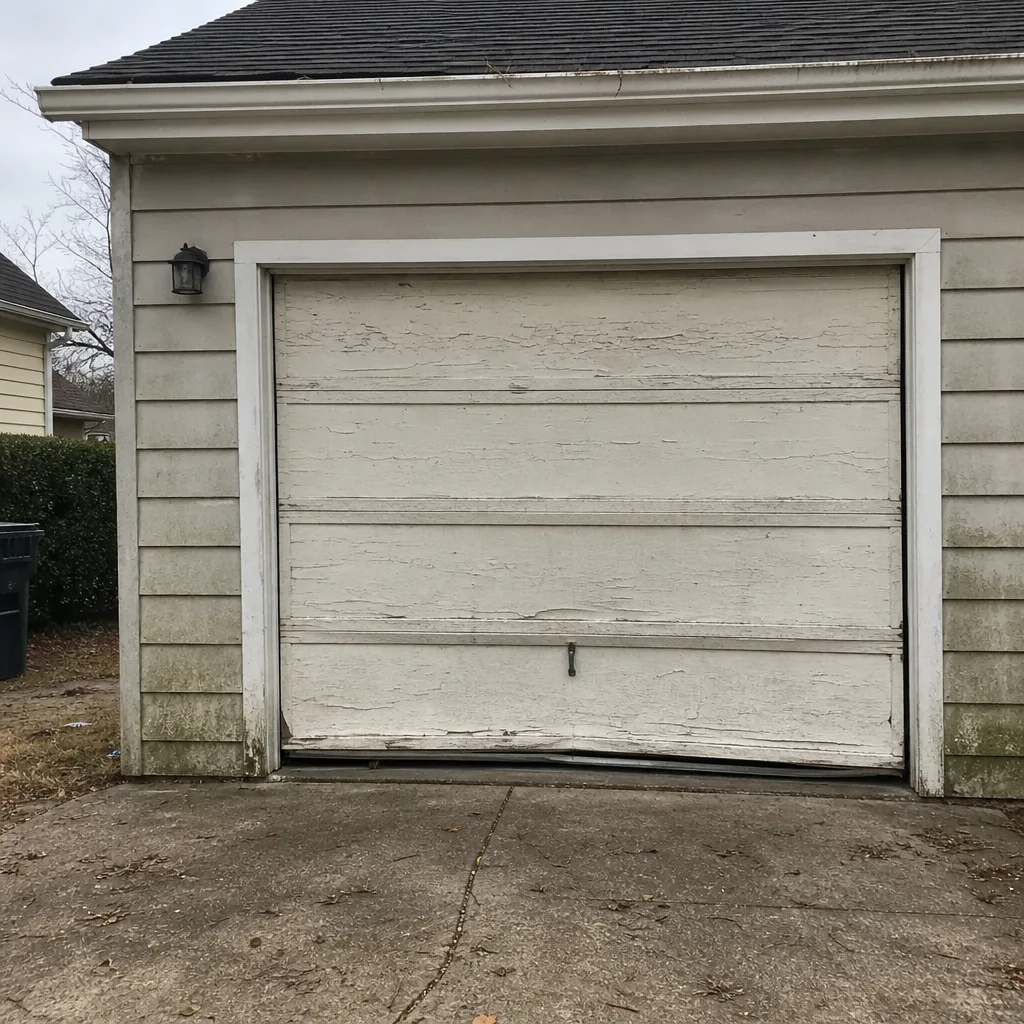
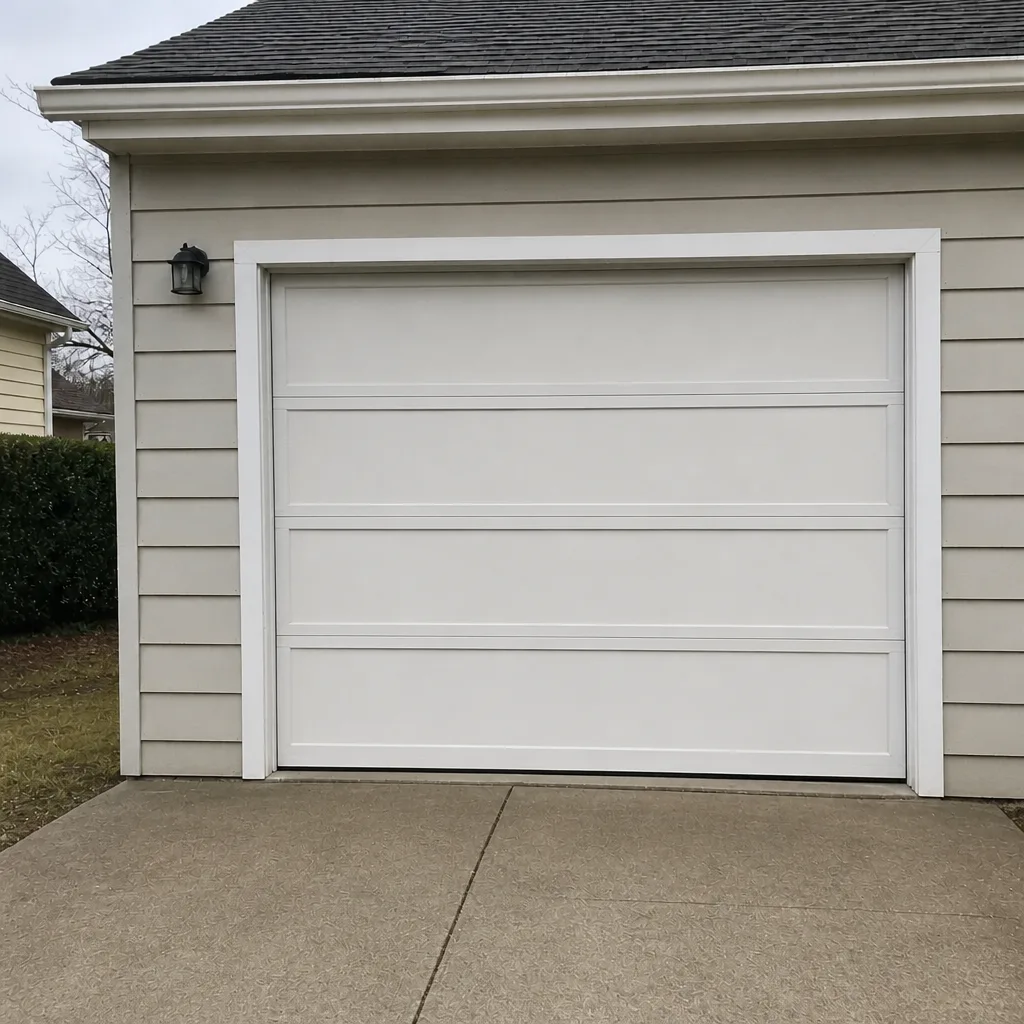
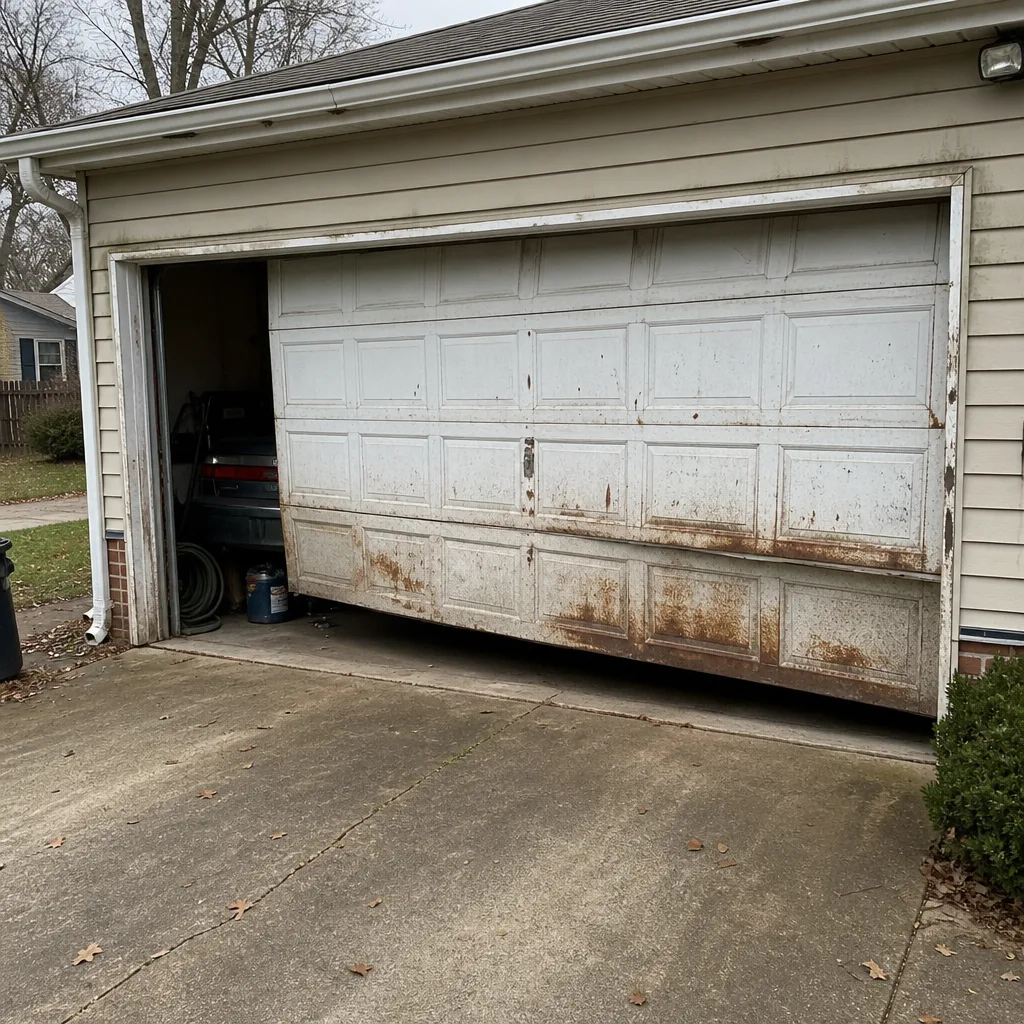
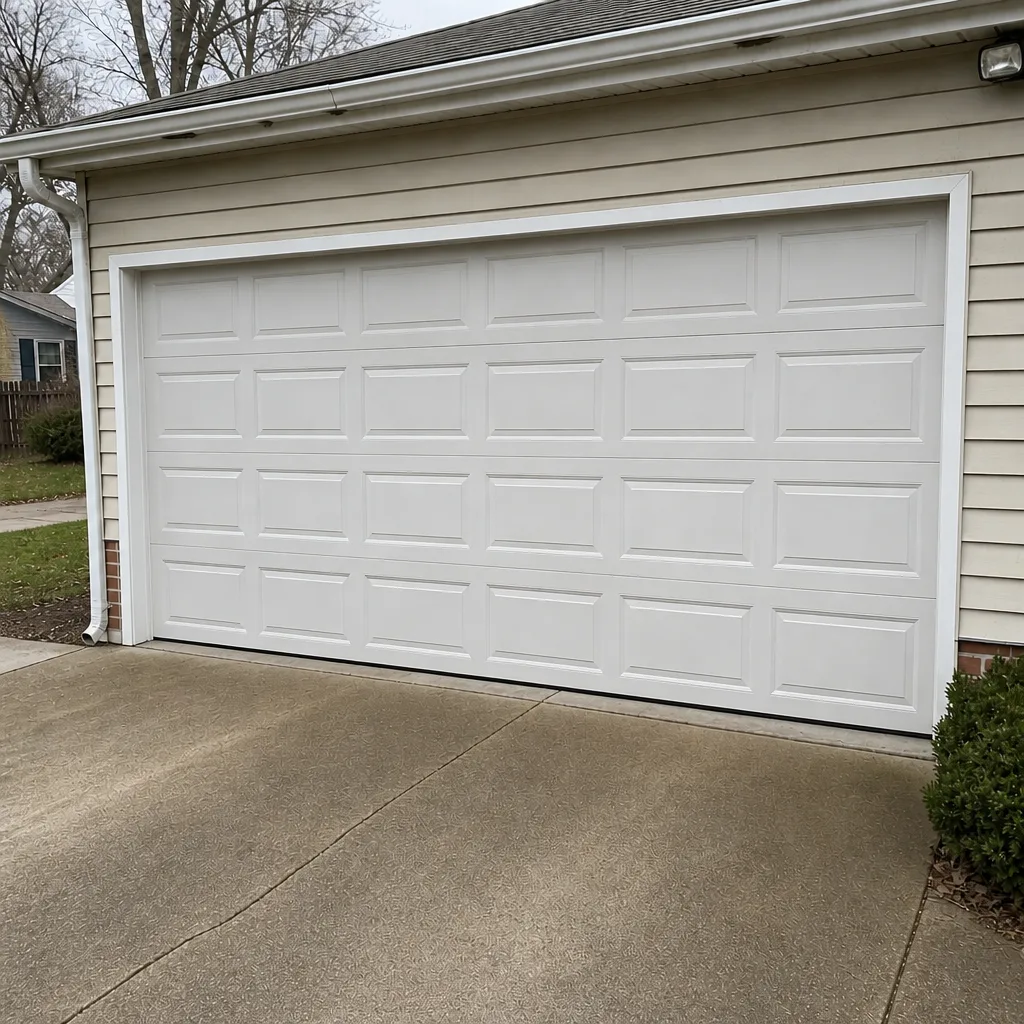
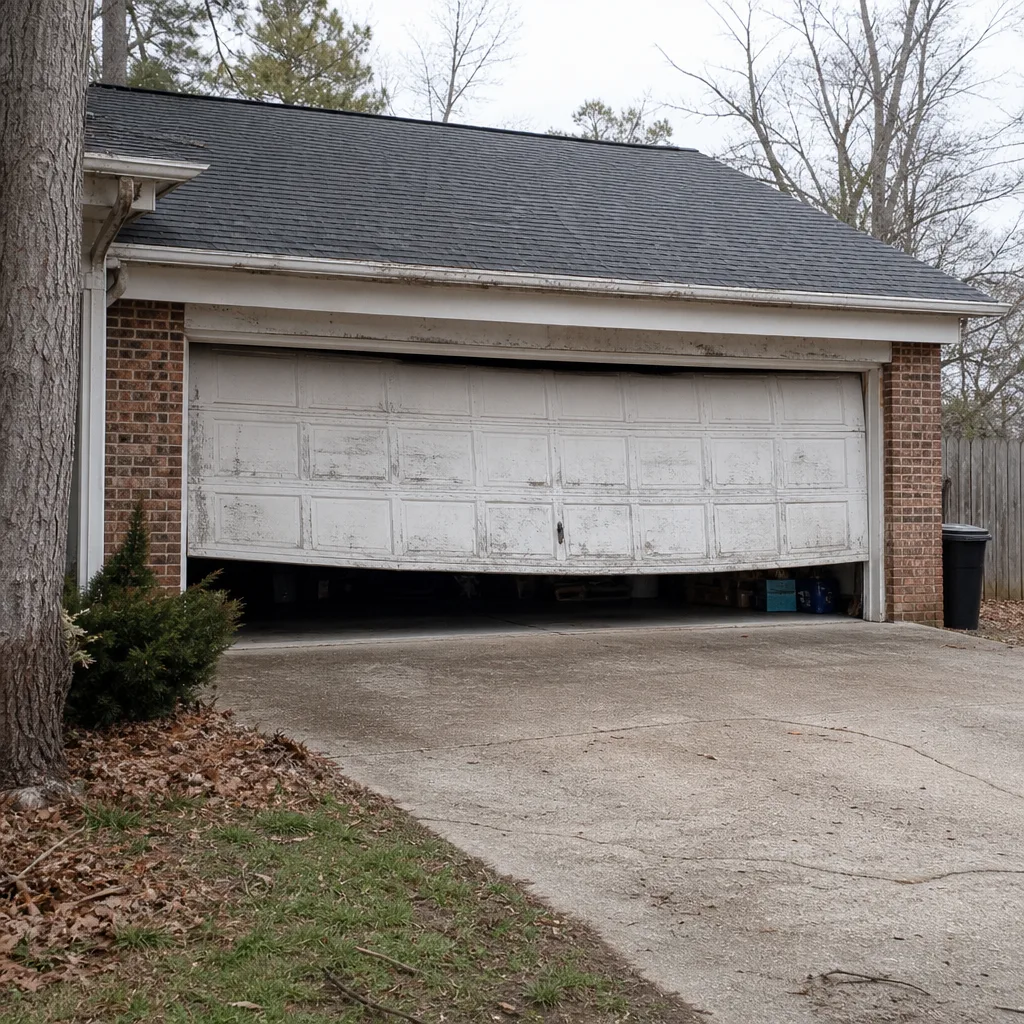
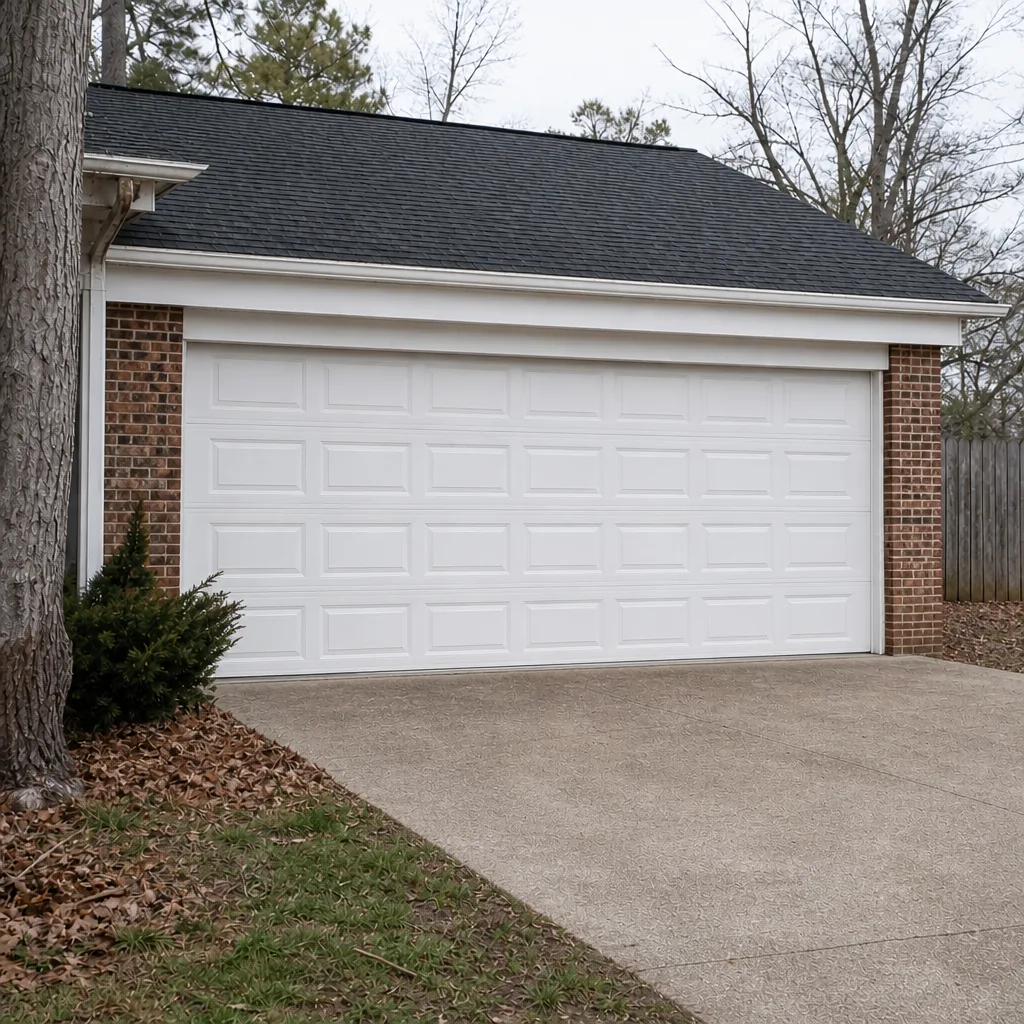
See the difference
 Before
 After
 Before
 After
 Before
 After
When to Call a Professional
Call a trained technician when you see any of the following on your Great Neck door: a visible gap in a torsion spring, a frayed or kinked cable, a door that fails the balance test, a door that won’t reverse when it hits an object, a rhythmic scrape that persists after cleaning and lubricating the rollers, or any component that’s bent, loose, or cracked. Those are the conditions where a maintenance check moves into repair territory, and where trying to push through it risks injury or a bigger bill. High-tension spring and cable work is the one part of this list you should never attempt yourself. Great Neck Garage Door Repair Pros offers free estimates in Great Neck, and our technicians have up to 15 years of experience with the exact hardware on your door. Call (877) 792-6350 and we’ll tell you what’s worth fixing and what’s safe to leave on the routine list.
Frequently Asked Questions
Do a light inspection every season and a fuller one twice a year. Spring and summer matter most in Virginia: check track alignment and run the balance test after the freeze-thaw cycle, then check lubrication and opener force heading into summer humidity.
No. Torsion and extension springs are under extreme tension and hold the door’s full weight; without training and proper tools, replacement is genuinely dangerous. This is a job for a trained technician, and stop using the door if you see a gap, a bad stretch, or a rusted spring.
A door that’s out of balance. When the springs lose tension, the opener lifts weight it wasn’t designed to lift, and that extra load burns the motor out before its time. The two tasks that catch this early are the force and travel-limit check and the safety-reversal test.
Disconnect the opener, lift the door by hand to about halfway, and let go gently. A balanced door stays put or drifts only slightly. If it slides down, the springs are weak; if it rises, they’re too strong. Either way, the door needs service before it’s run again under opener power.
Use a lithium- or silicone-based spray on rollers, hinges, and the torsion shaft, and light grease on the shaft bearings. Avoid WD-40 and heavy grease, which gum up or attract grit, and never put lubricant on the tracks.
Call when you find a visible spring gap, a frayed or kinked cable, a failed balance test, a door that won’t reverse on contact, or a persistent scrape you can’t trace to a roller. High-tension spring and cable work is always professional territory. Call (877) 792-6350 for a free estimate.
The Bottom Line
A maintenance checklist earns its keep when it helps you read your own door, not just tick boxes. Inspect in the technician’s order: springs, cables, rollers, tracks, then balance and opener. Use the right lubricant for Virginia’s temperature swings, keep the tracks dry, and run the balance and safety-reversal tests every season. Watch the springs closely; they’re the most common failure point and the one component you must never touch yourself. Split your checks into a spring and a summer pass so each one meets the pressure that season brings. When something crosses from wear into a safety risk, we’re one call away. Great Neck Garage Door Repair Pros works on the door you already have, across the major brands, and one call covers everything your garage door needs. Call (877) 792-6350 for a free estimate, and expect a written price quoted and agreed before any work starts.
Written by the team at Great Neck Garage Door Repair Pros.