Last updated November 21, 2026
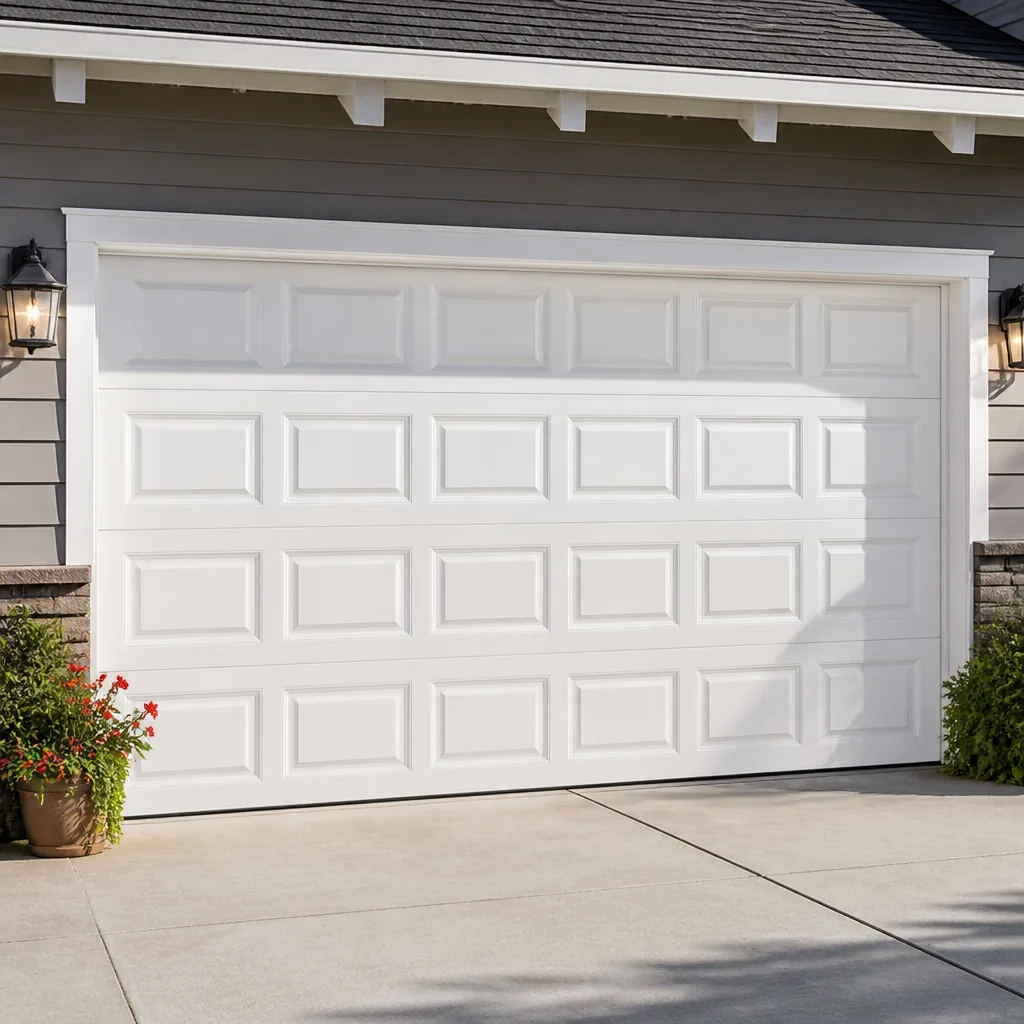 Raised-panel steel
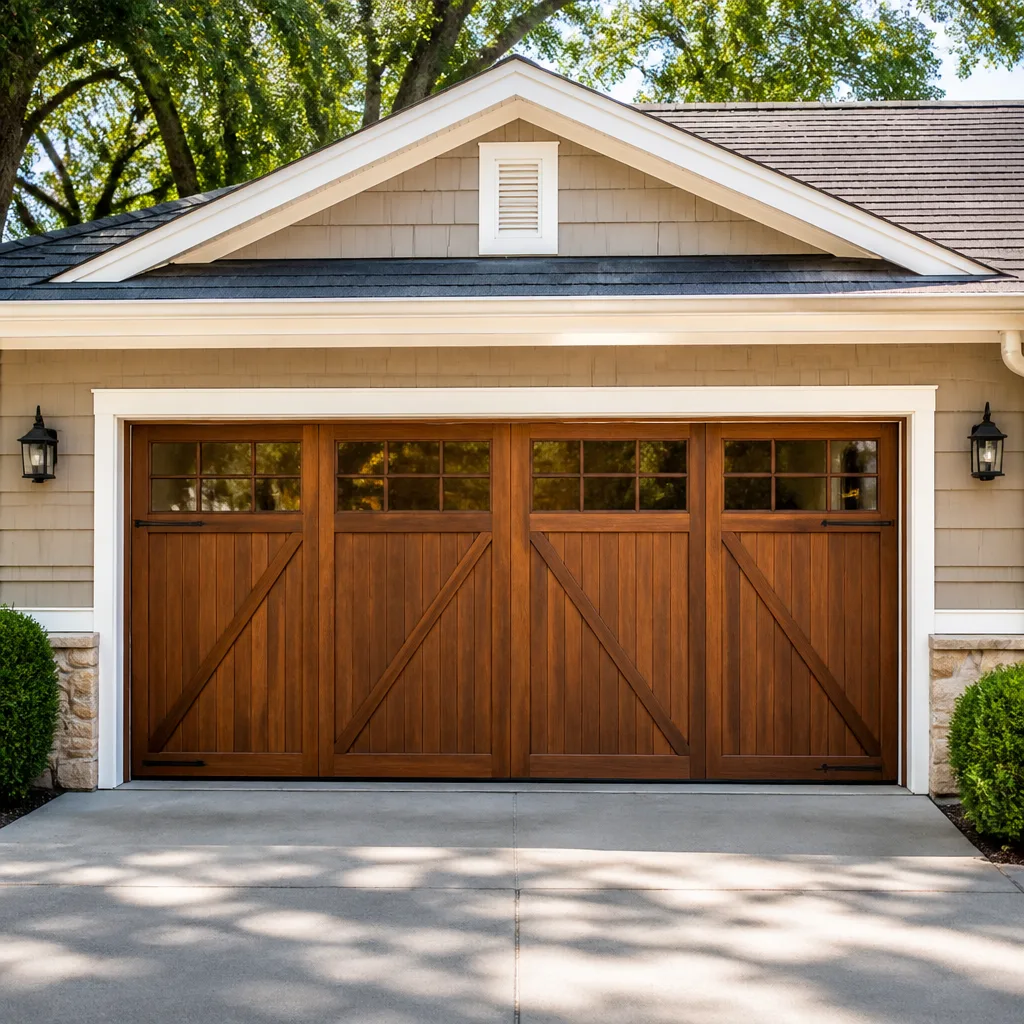 Carriage house
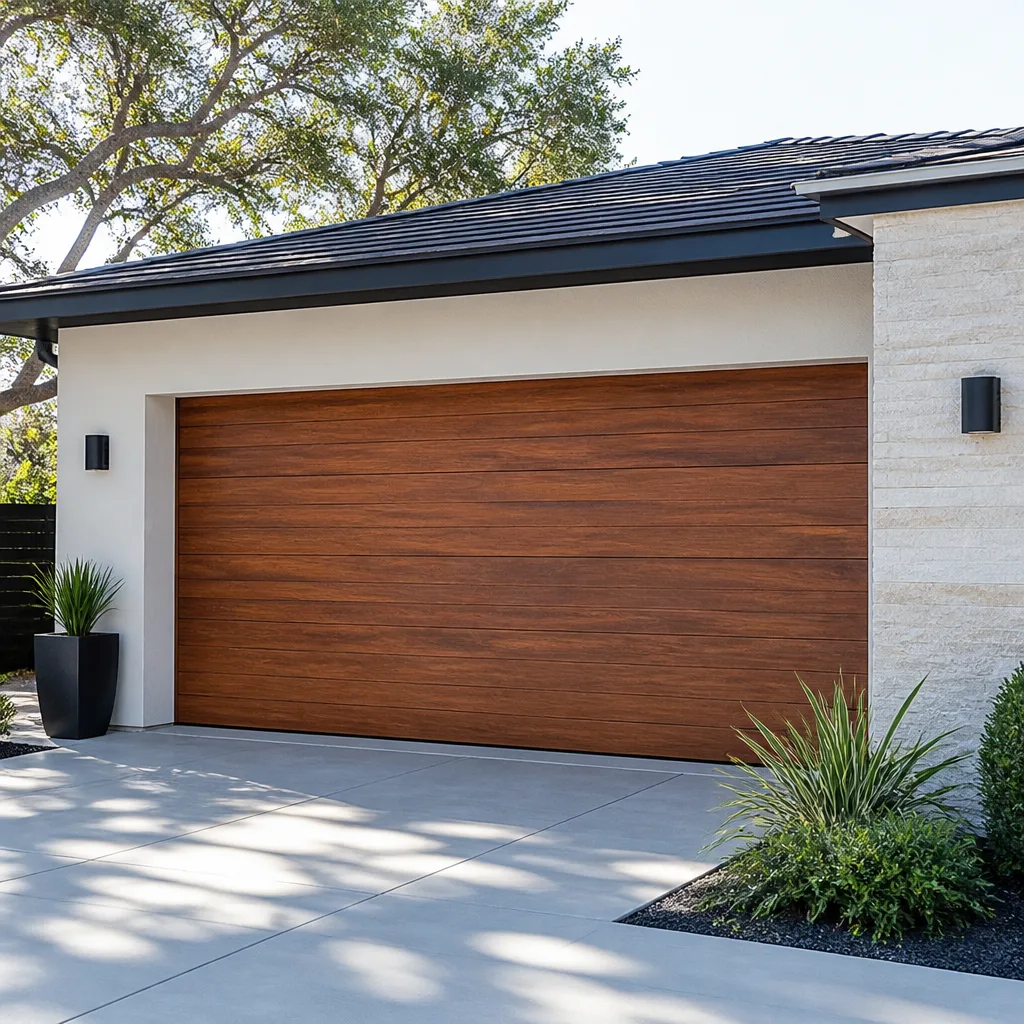 Modern flush
 Full-view glass
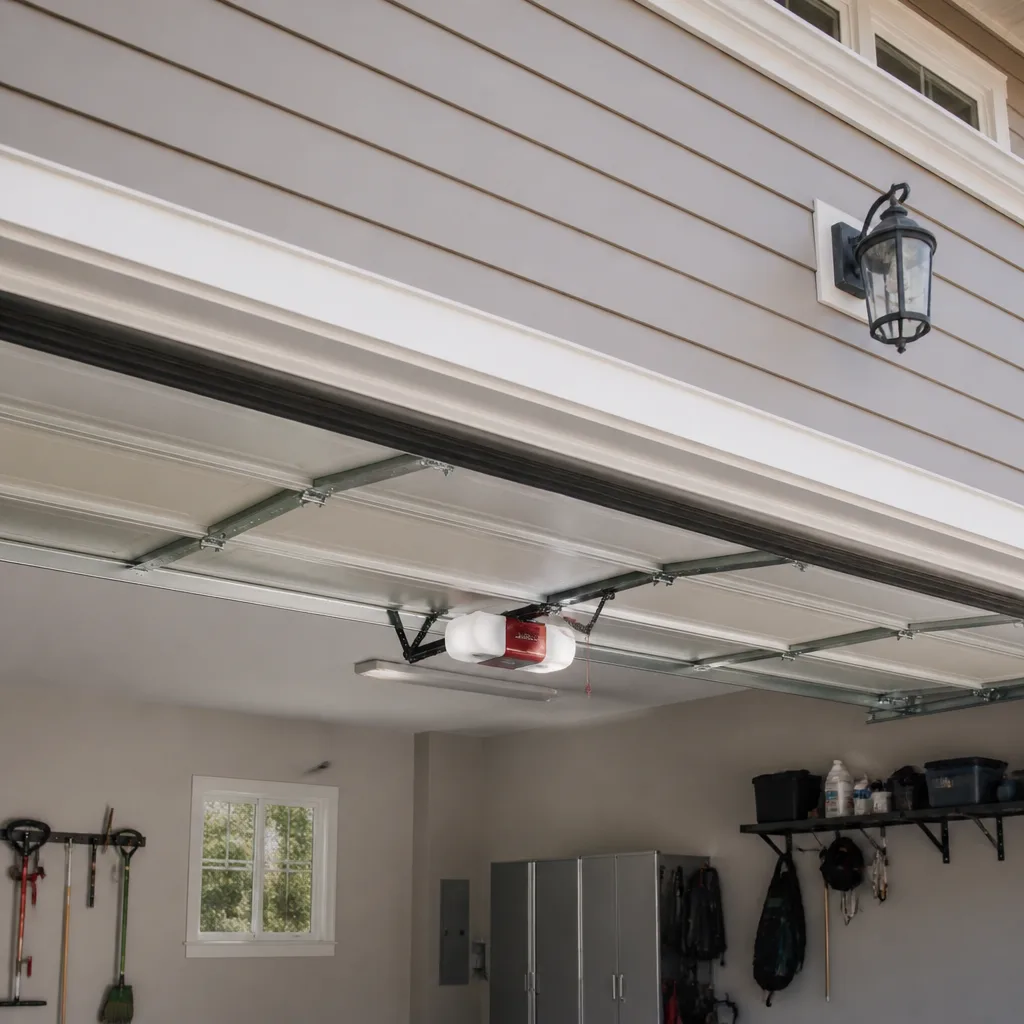 LiftMaster openers
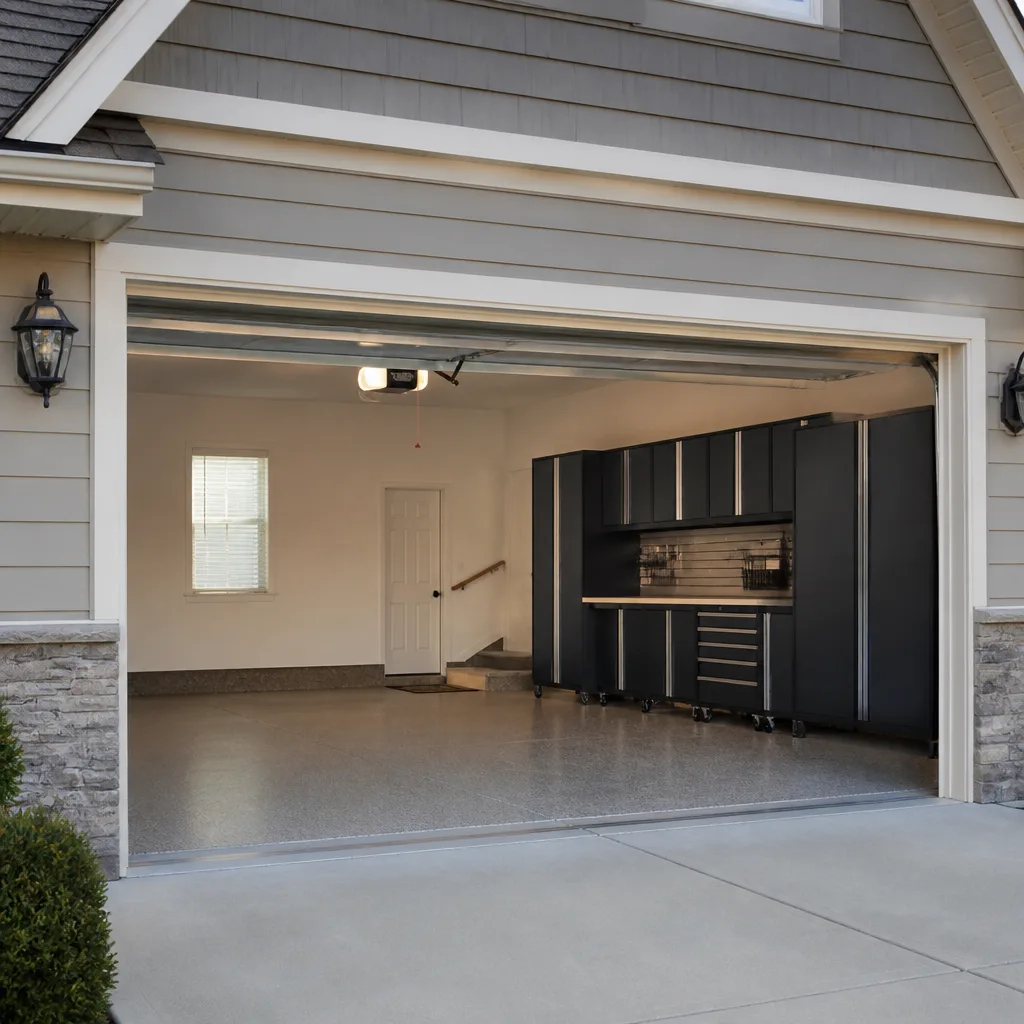 Chamberlain openers
Full 25-point door and opener safety check with every visit - springs, cables, rollers, tracks, and your LiftMaster or Chamberlain opener included
You get a price before we start. It does not change when the pro arrives.
Get your free estimateGarage Door Emergency Preparedness Guide for Great Neck Homes
During a named storm, the call we get most often isn’t about wind damage. It’s from homeowners who can’t get the door open by hand because they never tested the emergency release before the power went out. Most garage door emergencies aren’t dramatic. They’re a snapped spring at 7:40 on a school morning, a dead opener with the car trapped inside, or a panel that won’t latch after a nor’easter pushed through Great Neck. This guide covers both kinds of failure: the storm-driven emergency and the everyday breakdown. By the end you’ll know how to release any common opener by hand, how to brace a door before a hurricane warning, how to make a broken-spring door safe, and what four items belong in a garage emergency kit.
Quick Answer
Garage door emergency preparedness in Great Neck comes down to two things: knowing how to release and secure your door by hand when the power fails or a spring breaks, and knowing which failures you can safely manage yourself versus which ones require a trained technician before anyone touches the door. Test your manual release now, while the power is on. Store a four-item kit in the garage. And never attempt spring, cable, or torsion work yourself – those parts are under extreme tension and can cause serious injury.
Styles & brands we work with
- Raised-panel steel
- Carriage house
- Modern flush
- Full-view glass
- LiftMaster openers
- Chamberlain openers
Table of Contents
- The Two Kinds of Garage Door Emergency in Great Neck
- How to Release Your Garage Door by Hand: Every Common Opener Type
- What to Do When the Release Cord Has Never Been Pulled
- Storm Prep for Great Neck: Bracing, Wind Load, and What Your Door Can Take
- How to Secure a Door with a Broken Spring While You Wait
- When a Vehicle Is Trapped Inside or Outside
- Building a Garage Emergency Kit: The Four Items That Matter
- A Year-Round Readiness Routine for Great Neck Homes
The Two Kinds of Garage Door Emergency in Great Neck
Homeowners in Great Neck tend to prepare for the wrong emergency. They stock water and batteries for hurricane season, then get caught off guard in February by a torsion spring that lets go on an ordinary Tuesday. Both scenarios are real here, but they demand different preparation, and conflating them leaves gaps in both plans.
The first category is weather-driven. Great Neck sits in a part of Virginia that sees serious hurricane and nor’easter exposure, and a garage door is the largest opening in the average house. During a strong storm, an unreinforced or poorly maintained door can fail, buckle, or get pushed off its track. That’s a structural concern as much as a convenience one.
The second category is mechanical, and it’s far more common. It includes:
- A torsion or extension spring breaking while the door is down, leaving it too heavy to lift by hand
- An opener that stops mid-cycle because of a stripped gear, a failed logic board, or a worn drive belt
- A door that comes off its track after a car bumper nudges it or a roller fails
- A remote or wall station that stops responding because the safety sensors are misaligned or the battery died
- A cable that snaps or jumps its drum, which usually means the door will not operate safely at all
In our experience across Great Neck, the mechanical failures outnumber the storm ones by a wide margin. That’s good news, because mechanical failures are the easier kind to prepare for. A few minutes of testing now means you’re not standing in the dark trying to figure out a release cord later.
How to Release Your Garage Door by Hand: Every Common Opener Type
Every residential garage door opener sold in the US has a manual release, and it works the same way in principle: a cord or handle disengages the trolley from the drive so you can lift the door yourself. The differences come down to how the release is positioned, how heavy the door is, and whether the door is a sectional, one-piece, or roll-up design. Here’s how to handle the common setups you’ll find on Great Neck homes.
Standard sectional door with a chain or belt drive opener
- Make sure the door is fully closed before you pull anything. Pulling the release with the door partway up can let it drop.
- Find the release cord, usually a red handle hanging from the trolley near the center of the door’s travel path.
- Pull straight down and toward the door with steady pressure. You should hear or feel the trolley click out of engagement.
- Lift the door by hand slowly. If it’s a properly balanced door, you’ll be able to raise it with one hand.
- Prop it open with a sturdy clamp or a locking pliers on the track above a roller if you need it to stay up.
Screw-drive and jackshaft openers
Screw-drive openers on LiftMaster and Genie units use the same trolley release. Jackshaft openers, which mount on the side wall and drive the torsion bar directly, are different: the manual release on those disengages the motor from the torsion shaft, and pulling it lets the door hang free. On a jackshaft setup, test the release only when someone is holding the door, because a poorly balanced door can drop fast.
Wall-mount and side-mount openers with an electronic release
Some newer openers, including certain Chamberlain and LiftMaster models, include a battery backup and a manual release that requires you to first disconnect the battery or flip a lockout switch. If your opener has a battery backup, the door may still operate during a power outage without any manual release at all. Check your opener’s manual for the exact procedure, and if your opener is a Wayne Dalton or Raynor unit with a proprietary release, we’ve worked on enough of them to know the differences.
One-piece and tilt-up doors
Older one-piece doors on some Great Neck properties swing out and up rather than rolling. Their release is usually a pin or a lever near the opener arm. Once released, these doors are heavy and can swing unexpectedly. Never stand underneath one while releasing it; stand to the side.
Whatever your opener, the rule is the same: test the release once a year while the power is on and someone is standing by, so you know it moves freely. A release cord that hasn’t been pulled in a decade can seize, and that’s exactly the scenario that catches people out during a storm.
What to Do When the Release Cord Has Never Been Pulled
A seized release cord is one of the most common emergency situations we’re called to in Great Neck, and it almost always traces back to a release that was never tested. The good news: it’s usually fixable without a technician, if you know where to look.
Here’s the sequence we walk homeowners through over the phone:
- Confirm the opener is actually off. Unplug it or trip the breaker. You do not want the motor re-engaging while you’re working on the release.
- Inspect the trolley. The release arm is a two-piece hinge on the trolley. Sometimes it’s jammed against the stop bolt, which means you need to manually ease the door a few inches first.
- Apply steady pressure, not a yank. A cord that’s been sitting for years can bind inside its guide. Ease down and slightly toward the door. If it won’t budge, don’t force it – a snapped cord means a bigger job.
- Look for a secondary release. Some openers, particularly older Craftsman and Chamberlain models, have a small lever on the trolley itself that does the same job as the cord.
- If the door still won’t release, call for help. A trolley that’s seized to the rail, or a door that’s come off its track, needs a technician with the right tools. Forcing it risks dropping the door.
If the cord pulls but the door still won’t lift, the problem is likely the spring, not the release. A door with a broken spring weighs close to its full weight – usually too much for one person to lift safely. That’s covered in the next sections. Our garage door opener repair service handles seized trolleys and release mechanisms regularly.
Storm Prep for Great Neck: Bracing, Wind Load, and What Your Door Can Take
Standard residential garage doors aren’t designed to stand up to hurricane-force wind on their own. Most are built for typical residential wind loads, and a wide double door is essentially a sail during a strong storm. Preparing for a hurricane or nor’easter in Great Neck means understanding your door’s limits and knowing what upgrades are worth considering.
What a standard door will and won’t handle
A typical sectional door with a standard track and opener will hold up to moderate wind. In a named storm with sustained winds much above 40 or 50 mph, the risks multiply: the door can bow inward, the track can deform, and a door that blows in can let pressure into the house and compromise the roof. Great Neck’s storm exposure makes this more than a theoretical concern.
If your door has any of these issues, it’s a weak point before a storm:
- Loose or bent hinges and rollers that allow the panels to flex
- A track that’s out of plumb or has been hit by a vehicle at some point
- A door with missing or cracked sections
- A single center-mounted opener on a wide double-car door
Wind-load reinforcement: what it is and who needs it
Wind-load reinforcement is a set of horizontal and vertical struts installed on the interior face of the door, plus heavier-gauge tracks and additional rollers. It’s the upgrade that increases the door’s ability to resist inward pressure. If you own a Great Neck home in a wind-exposed location, or you’ve been through a storm that left your door looking flexed, reinforcement is worth discussing with a professional. Amarr and Clopay both make doors with wind-rated options that install with reinforced hardware from the start.
The pre-storm checklist
- Close the door fully and check that all panels sit flush.
- Test the manual release and re-engage it.
- Clear anything stored against the door’s interior face; it becomes a projectile if the door flexes.
- Unplug the opener if you expect a sustained outage, and test that you can lift the door by hand.
- After the storm, inspect the door and tracks before running the opener. Run the door by hand first.
When a door has taken storm damage, the safest first step is a professional inspection. A door that looks fine but has a bent track can fail mid-cycle. Our garage door repair team handles post-storm assessments across Great Neck.
How to Secure a Door with a Broken Spring While You Wait
A broken spring turns a 200-pound door into a 200-pound dead weight, and that’s the most dangerous thing about it. If you’ve heard the bang and the door is stuck, the priority is to keep it from free-falling and keep people away from it until a technician can replace the spring. This is not a DIY repair. A torsion spring is under enough stored energy to cause serious injury, and extension springs can eject hardware if they fail while you’re working on them.
Immediate steps
- Stay clear of the door. Don’t try to lift it, and don’t let anyone walk under it.
- Unplug the opener and disable the wall button if you can, so nobody accidentally runs the door.
- If the door is fully closed, lock it if your door has a manual lock, or slide a C-clamp or locking pliers onto the track directly above the bottom roller on one side. That stops the door from being raised.
- If the door is partially up, get a second person to help you ease it down – or better, call for emergency service. Don’t try to lower a partially-open door alone.
- Keep cars in or out of the garage based on where they are. Don’t move a vehicle under a door that’s hanging on a failed spring.
If the door has already dropped or come off its track, call emergency service. Spring and cable work is one of the highest-risk jobs in the garage door trade, which is why we treat it as a specialist service rather than an add-on. You can read more on our Great Neck Garage Door Repair Pros homepage about how we approach emergency calls.
What “secured” actually means
A door that’s clamped and unplugged is secure enough to leave until a technician arrives, but it’s not a repair. The spring still needs to be replaced, and on most doors the technician will recommend replacing both springs in a matched pair at once, since a second spring that’s the same age is likely to fail soon after the first.
When a Vehicle Is Trapped Inside or Outside
A broken door on a morning when you need to leave is its own category of emergency. The good news is that a trapped car almost always has an interim solution that doesn’t require the door to be fully repaired. Here’s what to try before a technician arrives, in order:
- Try the manual release. If the release is working and the door is balanced, you may be able to lift it by hand. Once the car is clear, lower the door and prop it closed.
- Check whether the opener’s battery backup will run the door. Many LiftMaster and Chamberlain openers made in the last decade include a battery backup that operates the door a few cycles after a power outage. If the opener has one, try the wall station first.
- Look at the safety sensors. If the door refuses to close but the opener runs, the photo-eye sensors are likely misaligned or blocked. Straighten them and clear cobwebs from the lens.
- Use a side door or pedestrian door if you have one. Many Great Neck garages have a service door on the side or back. If you have one, the car can leave without going through the main door.
- If the door is stuck down and the car is outside, you can still call a professional. Many mechanical failures are repaired the same day, and a broken opener is often a faster repair than a broken spring.
Don’t try to force a vehicle under a partially open door, and don’t run an opener repeatedly when the door is jammed. Holding the button while the motor strains against a stuck door can strip the gear or burn out the opener, turning a small repair into a bigger one. If the car is inside and the door won’t move, our emergency service is built for exactly this situation; a technician can typically get you in or out the same day. If you’re ready to look at a full replacement instead of a repair, our garage door installation team can measure and quote without any pressure.
Building a Garage Emergency Kit: The Four Items That Matter
Most preparedness advice tells you to stock water and batteries. For the garage, you need four specific items, and they should live in a place you can find in the dark. Here’s the kit we recommend for every Great Neck home:
- A pair of locking pliers or C-clamps. This is the single most useful item on the list. You use it to lock the door in place on the track if a spring or cable fails. One pair is enough for one side of the door.
- A small flashlight or headlamp, hung where you can reach it with the door down. Most garage door failures happen when the power is out. A headlamp leaves both hands free.
- A printed note taped to the wall with your opener’s manual release location and the emergency number for a garage door technician. Write it down while you’re calm. A note takes the panic out of the moment.
- A wheel chock. If a car is trapped inside or outside, a chock prevents it from rolling into the door while you’re working with the release.
Add a second flashlight if your garage has two doors, and keep the kit on a shelf or hook near the man-door, not behind a pile of stored boxes. The point of the kit is to be findable in the dark, with one hand on the door.
One extra item costs nothing: a short test you do once a year. Pull the release, lift the door by hand, lower it back down, re-engage. If the release moves freely and the door is balanced, you’re in good shape. If either step feels wrong, that’s the moment to book a service call, not the morning the power goes out.
A Year-Round Readiness Routine for Great Neck Homes
The best emergency is the one you prevent. A short maintenance routine keeps a Great Neck garage door out of the emergency-call category by catching worn parts before they fail. You don’t need many tools, and you don’t need to touch the springs or cables.
What to do each season
- Test the manual release. Do this in the fall, before storm season hits in earnest.
- Test the safety sensors. Put a box in the door’s path and confirm the door reverses.
- Look at the springs. Visually check the torsion spring for a visible gap or a section that looks unwound. Don’t touch the springs; just look.
- Check the balance. Release the door and lift it halfway. If it holds in place, it’s balanced. If it drops or rises on its own, the springs or cables need a professional look.
- Lubricate the moving parts you can safely reach. Rollers, hinges, and the opener rail get a garage-door-specific lubricant. Never put oil on the cables or springs.
- Check the weatherstrip. A torn bottom seal lets water into a Great Neck garage during a nor’easter.
What to leave to a technician
Springs, cables, torsion bars, and the track on a heavy door are professional territory. These parts are under tension, and a mistake can cause injury. Whatever brand you have on your door, we’ve seen the specific failure modes: Amarr and Clopay doors tend to wear at the hinges and rollers, Wayne Dalton doors can fail at the spring anchor plate, and older Craftsman and Raynor hardware often needs the opener’s travel limits adjusted after a spring replacement. A single-trade specialist who works on your brand every day catches those details faster than a generalist.
When it’s time to plan a replacement
If your door is more than about 15 years old, or you’ve had two significant repairs in the last year, it’s worth pricing a replacement instead of another repair. A new door with wind-rated options and reinforced hardware makes a Great Neck home measurably better prepared for storm season. That’s a conversation to have in spring or fall, not the weekend before a hurricane makes landfall.
Common Mistakes to Avoid
- Never pulling the manual release until you need it. A release cord that’s never been pulled can seize, and that’s the worst possible time to find out. Test it once a year.
- Holding the opener button while the door is jammed. If the door doesn’t move, the motor is straining against a stuck trolley or track. A stripped gear costs more than whatever was jamming the door.
- Lifting a door with a broken spring by hand. A door with one failed spring weighs close to 200 pounds and can drop on a person. Leave it in place and call.
- Trying to tighten or adjust a torsion spring yourself. Torsion springs are wound to hundreds of pounds of force. Adjusting them without the right training is where serious garage door injuries happen.
- Ignoring a bent track after a storm. A track that’s out of alignment will eventually throw the door off its rollers. If a Great Neck storm has bent your track, get it checked before you run the opener again.
- Storing heavy items against the inside of the door. Anything leaning on a sectional door weakens its wind resistance and can fall when the door moves.
- Assuming the opener’s battery backup will work when you need it. Test the battery backup at least once a year by unplugging the opener and running the door.
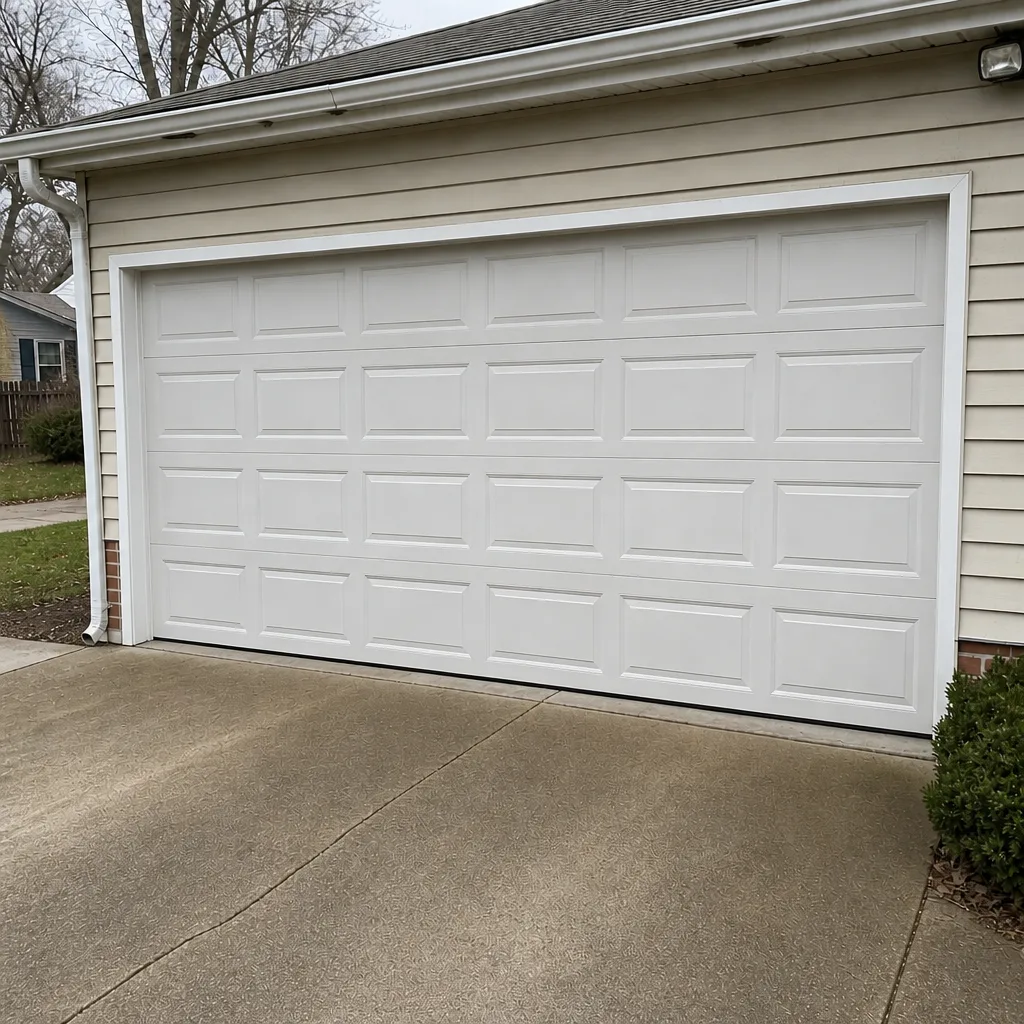
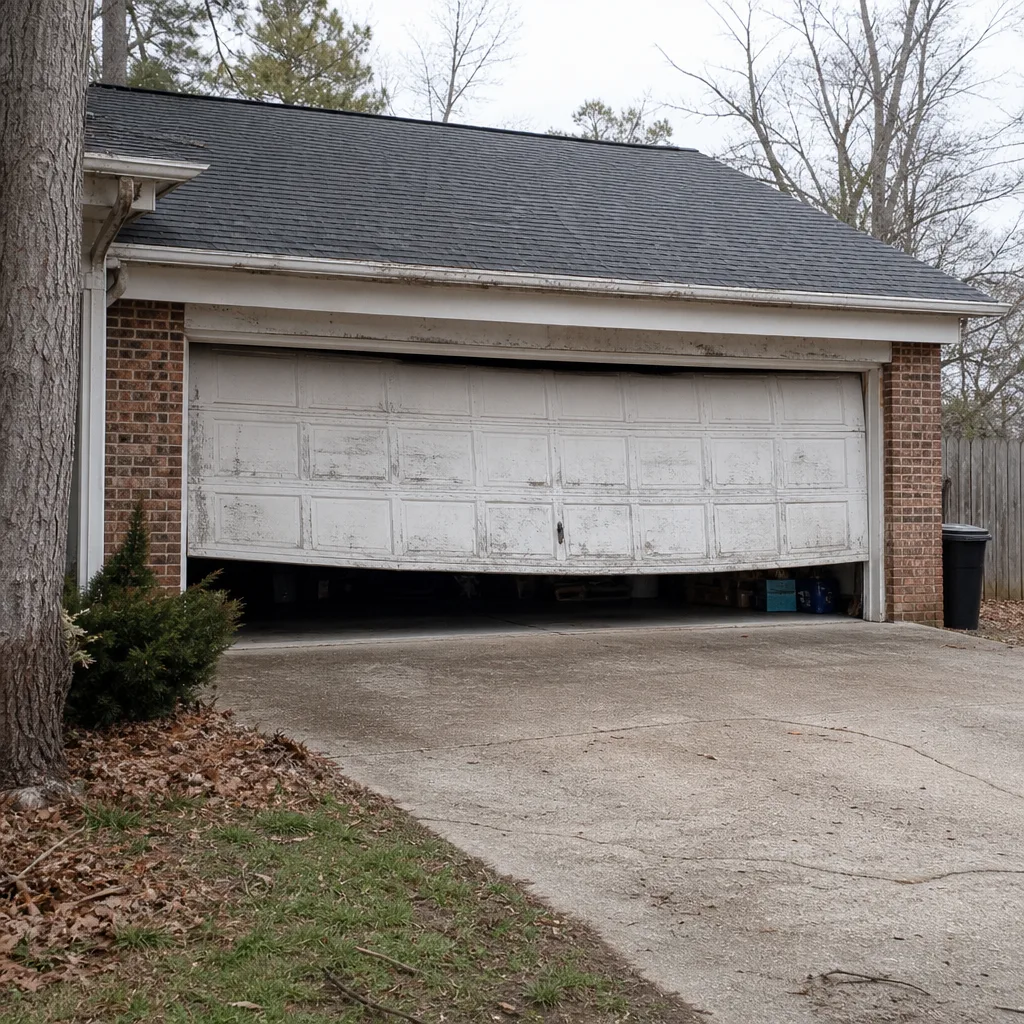
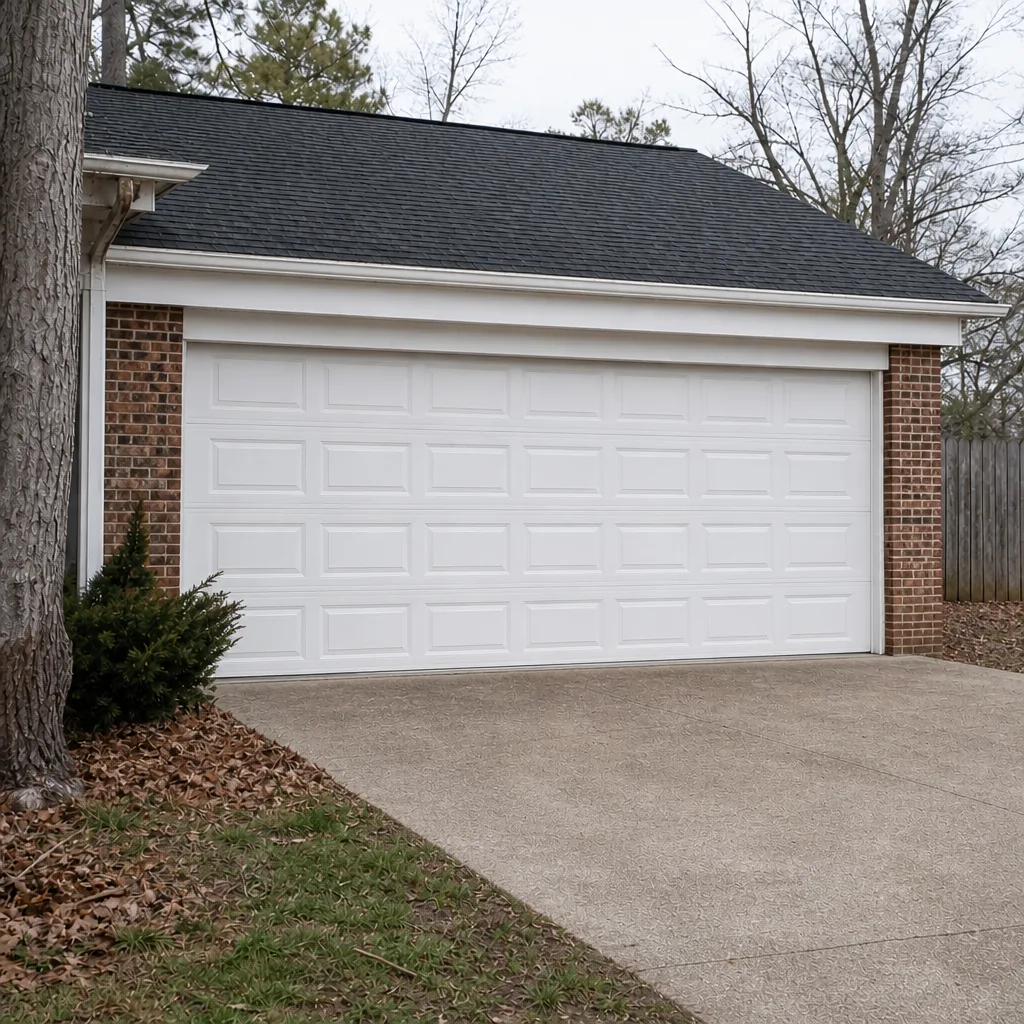
See the difference
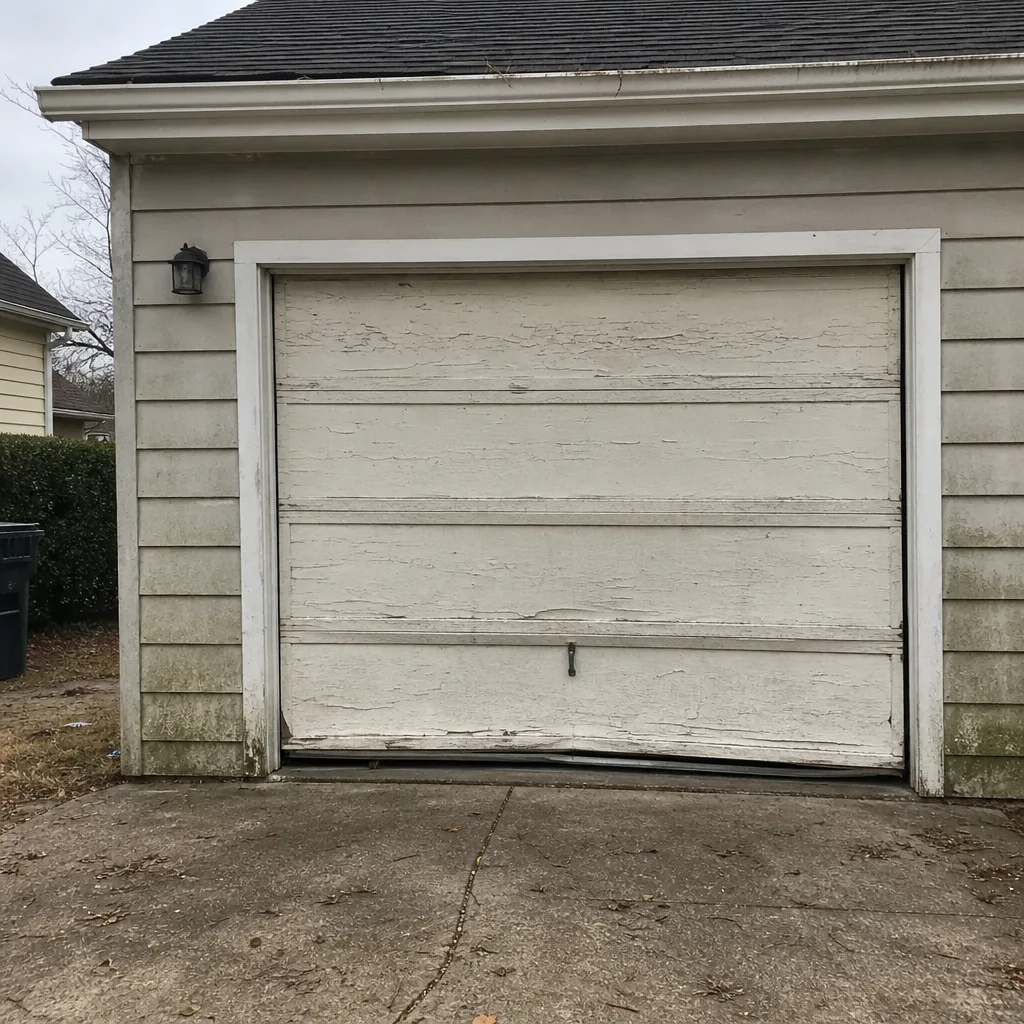 Before
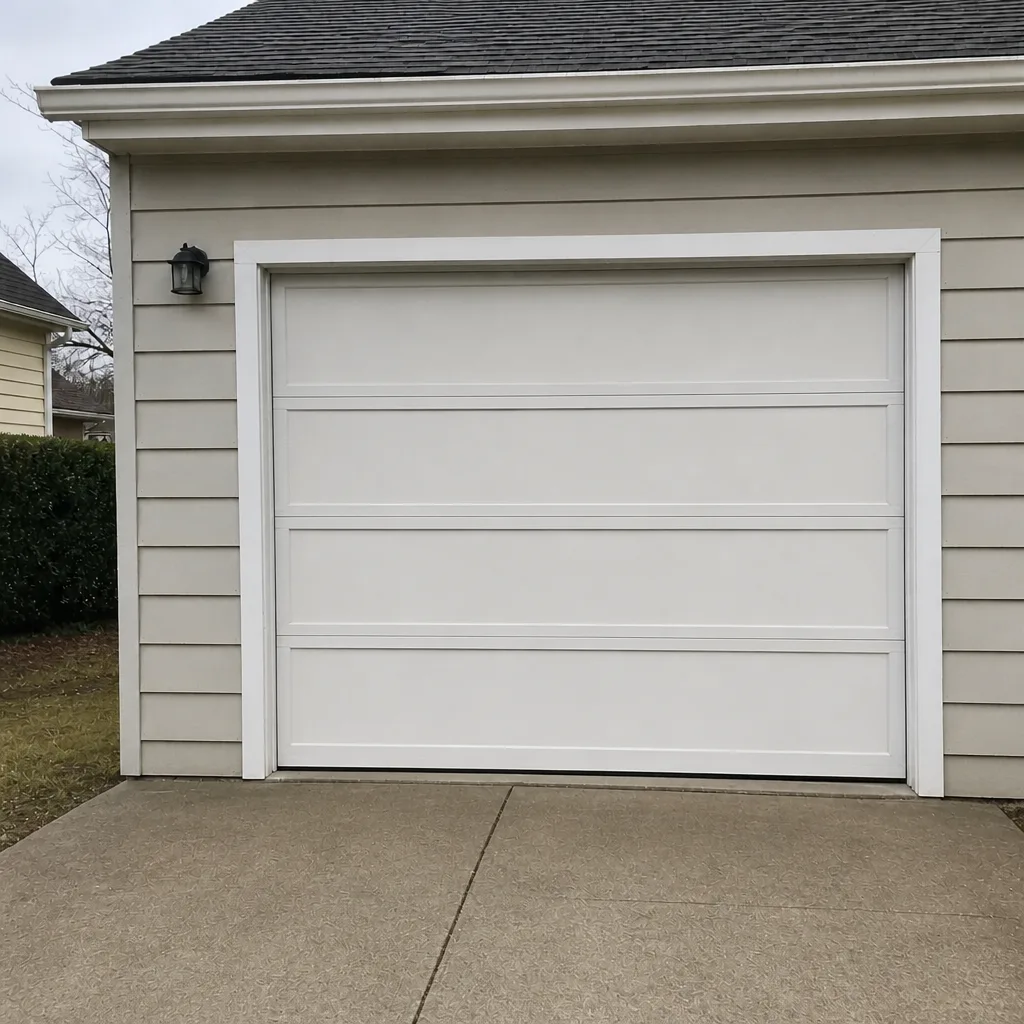 After
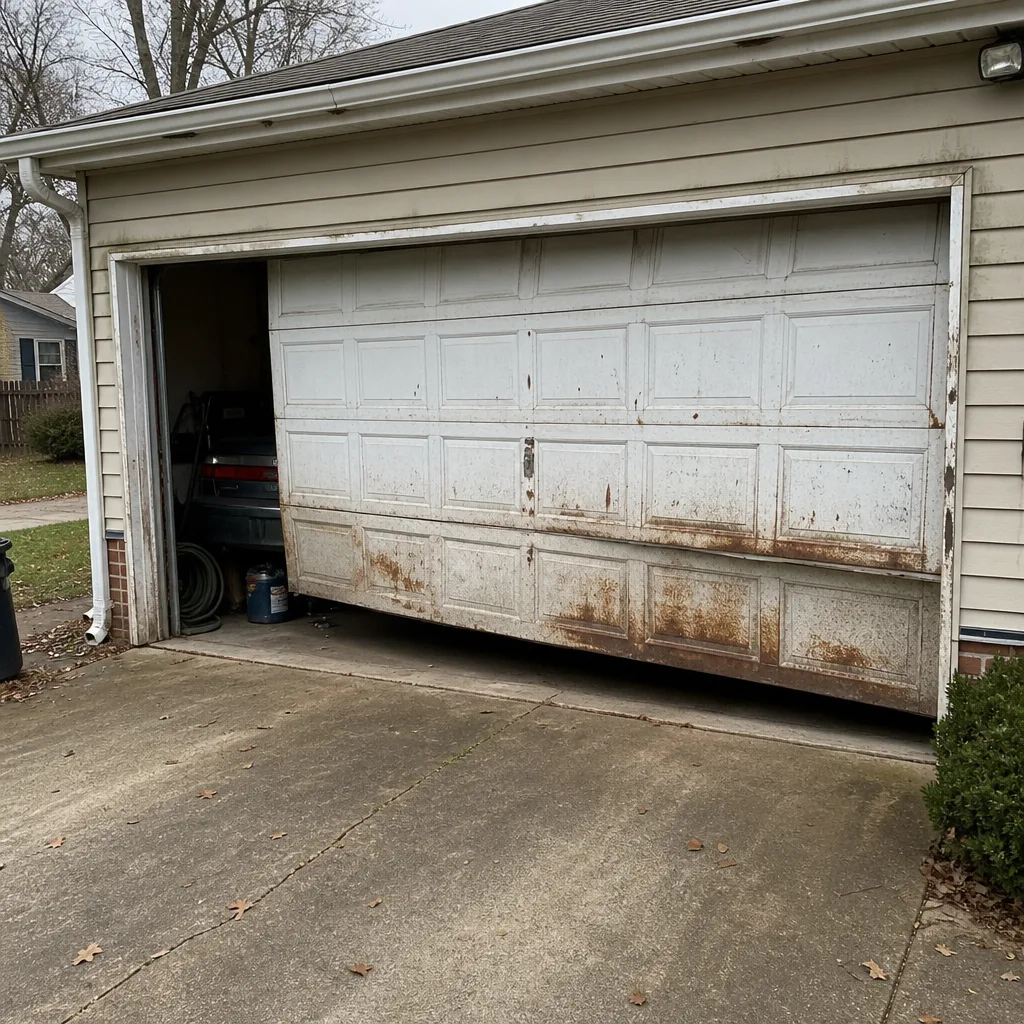 Before
 After
 Before
 After
When to Call a Professional
Some garage door problems are safe to handle with the manual release and a call to a technician. Others are emergencies that need someone on site. Call a professional immediately if the door has a broken spring or snapped cable, the door has come off its track, the door is hanging unevenly from one side, or the opener is running without moving the door. These situations can cause injury or property damage if you keep operating the door. For non-urgent issues – a noisy opener, a door that reverses without cause, a remote that only works up close – a scheduled diagnostic is the right call. Great Neck Garage Door Repair Pros offers free estimates in Great Neck – call (877) 792-6350. Our technicians have up to 15 years of experience, and emergency service is available for doors that are stuck open, stuck down, or a security risk.
Frequently Asked Questions
Pull the red manual release cord hanging from the trolley to disengage the opener, then lift the door by hand. Do this only with the door fully closed, and check that the door is balanced before you lift. If the door feels too heavy or won’t budge, a broken spring is the likely cause, and you should leave it closed and call a professional.
No. Torsion and extension springs are under extreme tension, and adjusting or replacing them without training can cause serious injury. This is one job where a specialist is worth calling. Our spring repair service handles both torsion and extension springs as a core, trained service, not an add-on.
Close the door fully, clear anything stored against it, unplug the opener, and confirm you can lift the door by hand. If your door has loose hinges, a bent track, or an unreinforced double-car width, wind-load reinforcement is worth discussing with a technician before the next storm season. After the storm, inspect the door and tracks by hand before running the opener. Call (877) 792-6350 for a free estimate.
Emergency call-outs depend on the failure. A broken spring on a single door is generally one of the faster repairs; an opener gear or logic board replacement is often a bit less. When you call, we quote an estimated range before any work starts, and the written estimate is the final price. There’s no charge for the estimate, and you’ll know the number before anyone touches the door. Call (877) 792-6350 for an exact quote.
Yes, if your door is in good working order. Every residential opener has a manual release, and many LiftMaster and Chamberlain models also include a battery backup that runs the door a few cycles after a power outage. Test both once a year so you know they work when the power actually goes out.
Yes, but secure it first. Unplug the opener, and clamp the track above the bottom roller on one side so the door can’t be raised. Keep everyone, including pets, out from under the door, and don’t try to lift it by hand. A technician can typically replace the spring and test the balance in a single visit.
The Bottom Line
A garage door emergency in Great Neck is easier to manage than it looks, as long as you’ve done three things before it happens: tested the manual release, stored a small kit with locking pliers, a flashlight, a note, and a wheel chock, and learned the difference between a door you can safely release by hand and a door with a broken spring or snapped cable that needs a qualified technician. Storm prep for Great Neck homes is mostly about wind-load awareness and keeping the door in good repair. Day-to-day failures come down to knowing the manual release and calling the right specialist early. Great Neck Garage Door Repair Pros is a garage door specialist that works on the door you already have, whether it’s a LiftMaster opener or a Wayne Dalton door, and a single call covers everything from spring repair to a new door. Call (877) 792-6350 for a free estimate.
Written by the team at Great Neck Garage Door Repair Pros.